Correct Implant Problems, Improve Breast Shape, and Create a More Balanced Result
Breast augmentation results can change over time.
Pregnancy, weight fluctuations, aging, scar tissue, implant rupture, tissue stretching, or changes in personal aesthetic preferences can all affect the appearance of previously augmented breasts.
Some women are pleased with their implants but want a different size. Others develop firmness, asymmetry, implant displacement, rippling, or changes in breast shape. Some patients seek revision after surgery performed elsewhere because the result never matched their expectations.
Breast revision surgery is designed to correct problems related to previous breast augmentation or implant-based breast surgery.
Depending on the concern, revision may involve:
- Breast implant exchange
- Changing implant size or profile
- Correcting capsular contracture
- Correcting implant malposition
- Repairing bottoming out
- Correcting lateral implant displacement
- Correcting symmastia
- Treating a double-bubble deformity
- Removing or replacing a ruptured implant
- Correcting breast asymmetry
- Improving implant visibility or rippling
- Revising the implant pocket
- Adding a breast lift
- Fat grafting
- Breast implant removal
- Treatment of scar tissue when appropriate
Dr. Baotram Tran develops an individualized revision plan based on the current implant, breast tissue, capsule, skin envelope, implant pocket, previous scars, and desired breast shape.
The goal is not simply to replace one implant with another. It is to identify why the breast looks or feels the way it does and correct the underlying problem.
What Is Breast Revision Surgery?
Breast revision surgery refers to surgery performed after a previous breast augmentation, breast lift with implants, breast reconstruction, or other implant-based breast procedure.
The operation may be relatively straightforward, such as exchanging implants for a different size.
Other revisions can be considerably more complex and may require reconstruction of the implant pocket, correction of scar tissue, breast lifting, fat grafting, or treatment of stretched or damaged tissues.
Breast revision may address:
- Implant size
- Implant shape or profile
- Implant position
- Breast shape
- Capsular contracture
- Implant rupture
- Breast asymmetry
- Skin and tissue changes
- Previous surgical scars
- Breast sagging
- Changes after pregnancy
- Changes after weight loss
- Patient preference
Revision surgery should address the cause of the problem rather than simply repeat the original operation.
Why Do Patients Choose Breast Revision Surgery?
There are many reasons a patient may consider breast revision.
Some are related to complications.
Others are simply related to changes in anatomy or aesthetic preferences over time.
Common reasons include:
- Desire for larger implants
- Desire for smaller implants
- Desire for a different breast shape
- Capsular contracture
- Implant rupture or deflation
- Implant malposition
- Breast asymmetry
- Bottoming out
- Lateral implant displacement
- Symmastia
- Double-bubble deformity
- Implant rippling
- Visible implant edges
- Animation deformity
- Breast sagging around an implant
- Changes after pregnancy or breastfeeding
- Changes after weight loss
- Desire to remove implants
- Concerns related to textured implants
- Previous surgical result that feels unnatural
The surgical plan depends entirely on what is causing the concern.
Breast Implant Exchange
Changing Implant Size, Shape, or Profile
Some patients remain happy with having breast implants but want to change the implant itself.
Reasons may include:
- Wanting larger breasts
- Wanting smaller breasts
- Reducing excessive projection
- Increasing projection
- Changing implant width
- Changing implant profile
- Changing from saline to silicone
- Replacing an older implant
- Correcting an implant-related complication
Implant exchange is not always as simple as removing one implant and inserting another.
The existing implant pocket and breast tissues may need modification to accommodate the new implant appropriately.
The new implant should be selected according to the breast anatomy that exists now, not simply the anatomy that existed before the original augmentation.
Downsizing Breast Implants
Smaller Implants May Require More Than an Implant Exchange
Patients sometimes decide that their implants feel too large, heavy, or disproportionate.
Downsizing can reduce breast volume, but a smaller implant may not adequately fill skin that has stretched around a larger implant.
Depending on the degree of tissue stretching, downsizing may require:
- Implant exchange
- Implant-pocket tightening
- Breast Lift
- Fat grafting
- A combination of techniques
The greater the difference between the old and new implant size, the more important it becomes to evaluate whether the breast skin and tissues also need to be reshaped.
Increasing Breast Implant Size
Patients who want larger implants also require careful evaluation.
Simply increasing implant volume without considering breast width, skin elasticity, tissue thickness, and implant-pocket dimensions can contribute to:
- Excessive tissue stretching
- Implant visibility
- Rippling
- Bottoming out
- Lateral displacement
- Recurrent malposition
The implant should remain appropriately proportioned to the breast and chest.
Larger is only better when the tissues can appropriately support the additional volume.
Capsular Contracture
When Scar Tissue Around the Implant Becomes Tight
Every breast implant naturally develops a layer of scar tissue around it called a capsule.
Most capsules remain soft and do not cause problems.
Capsular contracture occurs when the capsule becomes abnormally tight.
Patients may notice:
- Increasing breast firmness
- Breast distortion
- Change in implant position
- Pain or discomfort
- Progressive asymmetry
Treatment depends on the severity of the contracture and the condition of the implant and surrounding tissues.
Revision may include:
- Implant removal
- Implant replacement
- Capsulotomy
- Partial capsulectomy
- Total capsulectomy when appropriate
- Implant-pocket change
- Fat grafting
- Breast lift when needed
Not every capsular contracture requires exactly the same operation.
What Is a Capsulotomy?
A capsulotomy releases or opens the scar capsule surrounding an implant.
It may be used in selected patients when tight scar tissue is contributing to implant distortion.
Capsulotomy differs from capsulectomy.
A capsulotomy releases the capsule.
A capsulectomy removes part or all of it.
The appropriate treatment depends on the individual breast.
What Is a Capsulectomy?
A capsulectomy removes some or all of the capsule surrounding the breast implant.
Depending on the indication, surgery may involve:
- Partial capsulectomy
- Total capsulectomy
- Total intact capsulectomy in selected situations
Complete capsule removal is not automatically necessary for every breast revision.
The extent of capsule treatment should be determined according to the condition of the capsule, implant, breast tissue, and reason for surgery.
Breast Implant Rupture
Both saline and silicone implants can rupture.
Saline Implant Rupture
When a saline implant ruptures, the implant typically deflates and the breast becomes noticeably smaller.
The saline is absorbed by the body.
Revision generally involves removal of the deflated implant and replacement if the patient wishes to maintain augmentation.
Silicone Implant Rupture
Silicone implant rupture may be more difficult to recognize because the implant may not visibly deflate.
Some ruptures are discovered through imaging.
Treatment depends on:
- Implant condition
- Whether the silicone remains contained
- Condition of the capsule
- Breast tissue
- Patient preference regarding replacement
The ruptured implant is removed and accessible silicone material is carefully addressed.
The capsule is treated according to the operative findings.
Implant Malposition
When the Implant Is No Longer in the Intended Position
An implant can shift from its ideal position over time.
Malposition can occur because of:
- Tissue stretching
- Implant size
- Implant-pocket dimensions
- Gravity
- Pregnancy
- Weight changes
- Previous surgical technique
- Scar tissue
- Trauma
- Recurrent tissue weakness
Implants may move:
- Too low
- Too far toward the side
- Too far toward the center
- Too high
- Into different positions on each side
Correcting malposition often requires more than simply replacing the implant.
The implant pocket itself may need to be reconstructed.
Bottoming Out
When the Implant Sits Too Low
Bottoming out occurs when the implant descends below its intended position and the lower breast stretches.
Patients may notice:
- The nipple appears unusually high on the breast
- Excessive fullness below the nipple
- The breast fold has moved downward
- The implant feels too low
- The breasts appear elongated
Treatment may involve:
- Reconstructing the inframammary fold
- Tightening the implant pocket
- Changing implant size
- Changing implant position
- Breast lift
- Internal support when appropriate
The surgical plan depends on both the implant and the quality of the surrounding tissues.
Lateral Implant Displacement
When the Implants Move Toward the Sides of the Chest
Some implants move excessively toward the outer chest, particularly when lying down.
Patients may notice:
- Excessive space between the breasts
- Implants moving toward the armpits
- Reduced cleavage
- Breast asymmetry
Revision may involve tightening the lateral implant pocket and repositioning the implant more centrally.
Implant dimensions may also need to be changed when the existing implant does not appropriately fit the breast.
Symmastia
When the Implants Move Too Close Together
Symmastia occurs when the normal separation between the breasts is reduced because one or both implant pockets extend too far toward the center of the chest.
Patients may notice:
- Loss of the natural cleavage separation
- Implants appearing connected across the breastbone
- Excessive medial implant position
Correction can be challenging because the tissue over the sternum must be re-established and the implant pocket reconstructed.
Treatment may include:
- Medial pocket repair
- Implant repositioning
- Implant downsizing
- Internal support when appropriate
Double-Bubble Deformity
A double bubble occurs when the natural breast fold and implant create two visible contours along the lower breast.
This may occur when:
- The original breast fold remains visible
- The implant sits below the natural breast tissue
- A constricted lower breast was not fully corrected
- The implant position and breast anatomy do not align
Correction depends on the underlying cause.
Possible treatments include:
- Implant-pocket revision
- Adjustment of the breast fold
- Breast tissue reshaping
- Fat grafting
- Breast lift
- Implant exchange
Breast Implant Rippling
Implant rippling occurs when folds or irregularities of the implant become visible or palpable through the breast tissues.
Rippling is more likely when:
- Breast tissue is thin
- Implant coverage is limited
- The implant is positioned above the muscle
- Certain implant characteristics are present
- Significant weight loss has occurred
Treatment may involve:
- Implant exchange
- Changing implant position
- Fat grafting
- Changing implant dimensions
- Improving soft-tissue coverage
The best treatment depends on why the implant is visible.
Breast Implant Visibility and Palpability
In some patients, the edges or contours of the breast implant become visible or easy to feel.
This may develop because of:
- Thin breast tissue
- Tissue stretching
- Weight loss
- Implant size
- Implant position
- Rippling
- Previous surgery
Revision may involve Fat Transfer to the Breast, implant exchange, pocket modification, or a change in implant position.
Animation Deformity
Breast Movement with Chest-Muscle Contraction
When a breast implant is placed beneath the pectoralis major muscle, contraction of the chest muscle can move or distort the breast.
This is known as animation deformity.
Some degree of implant movement can occur with submuscular implants, but it may become bothersome in selected patients.
Revision options depend on:
- Implant position
- Tissue thickness
- Degree of animation
- Lifestyle
- Breast anatomy
Selected patients may benefit from changing the implant plane.
High-Riding Breast Implants
An implant may remain or become positioned too high on the chest.
Possible causes include:
- Tight implant pocket
- Capsular contracture
- Implant dimensions
- Breast-fold position
- Previous surgical technique
Revision may require modification of the lower implant pocket, treatment of the capsule, implant exchange, or a combination of procedures.
Breast Asymmetry After Augmentation
Perfect breast symmetry does not exist, even before surgery.
However, noticeable asymmetry after breast augmentation may result from:
- Different implant positions
- Different implant-pocket dimensions
- Capsular contracture
- Natural breast asymmetry
- Nipple-position differences
- Chest-wall asymmetry
- Different breast folds
- Unequal tissue stretching
Correction requires identifying which component is actually creating the difference.
Possible treatments include:
- Implant exchange
- Pocket modification
- Capsular surgery
- Breast lift
- Fat grafting
- Different implant dimensions on each side
The goal is improved balance—not perfectly identical breasts.
Breast Sagging Around an Implant
When the Breast Changes but the Implant Does Not
Pregnancy, breastfeeding, weight loss, and aging can cause the natural breast tissue to descend while the implant remains relatively stable.
This can create a breast that appears:
- Droopy
- Deflated
- Elongated
- Disconnected from the implant
- Fuller above but empty below
- Asymmetric
A Breast Lift may be combined with implant revision to reposition the natural breast tissue around the implant.
In some patients, the implant should also be exchanged, repositioned, or downsized.
Waterfall Deformity
A waterfall deformity occurs when the natural breast tissue descends over a relatively fixed implant.
Patients may notice:
- Breast tissue hanging below the implant
- A high implant with a low natural breast
- An unusual double contour
- Nipple descent while the implant remains higher
Treatment may involve:
- Breast lift
- Implant repositioning
- Implant exchange
- Pocket adjustment
- A combination of procedures
Breast Revision with Breast Lift
Revision surgery frequently needs to address both the implant and the breast envelope.
A Breast Lift may be appropriate when there is:
- Loose breast skin
- Nipple descent
- Breast sagging
- Tissue stretching
- Waterfall deformity
- Implant downsizing
- Significant changes after pregnancy
- Weight-loss changes
The implant and lift must be planned together so that implant volume, breast tissue, nipple position, and skin tension remain balanced.
Breast Revision with Fat Transfer
Improving Soft-Tissue Coverage and Breast Contour
Fat Transfer to the Breast can be useful during selected breast revision procedures.
Fat may be used to improve:
- Implant edge visibility
- Rippling
- Cleavage transition
- Upper-pole contour
- Breast asymmetry
- Localized contour irregularities
- Thin breast tissues
Fat grafting does not replace the need to correct an abnormal implant pocket or significant malposition.
It is best used as a complementary technique when additional soft-tissue coverage or contour refinement is needed.
Breast Revision After Pregnancy
Pregnancy and breastfeeding can significantly alter a previously augmented breast.
Changes may include:
- Breast enlargement
- Volume loss
- Loose skin
- Nipple descent
- Breast asymmetry
- Changes in implant position
Some patients need only a breast lift.
Others benefit from implant exchange, pocket revision, or a combination of procedures.
The appropriate revision should be planned after breast volume has stabilized.
Breast Revision After Weight Loss
Weight loss can reduce the amount of tissue covering the implant and alter the surrounding skin envelope.
Patients may develop:
- Implant visibility
- Rippling
- Breast deflation
- Sagging
- Changes in implant position
- Reduced upper-pole coverage
Revision may involve:
- Breast lift
- Implant exchange
- Fat grafting
- Pocket revision
- Implant removal
Textured Breast Implants
Some patients with textured breast implants seek consultation because of concerns about breast implant-associated anaplastic large cell lymphoma, or BIA-ALCL.
BIA-ALCL is a rare lymphoma involving the tissue or fluid surrounding a breast implant and has occurred more frequently in association with textured implant surfaces.
Having a textured implant does not mean that a patient has BIA-ALCL.
Patients with no symptoms should discuss their implant history, individual risk factors, and options before deciding whether surgery is appropriate.
Symptoms such as:
- Persistent breast swelling
- A new fluid collection
- Breast enlargement
- A breast or capsular mass
- New asymmetry
- Persistent pain
should be evaluated before routine revision surgery.
BIA-ALCL and Breast Revision Surgery
BIA-ALCL is not breast cancer.
It is a lymphoma involving the immune system that most commonly develops in the fluid or scar capsule surrounding textured implants.
When BIA-ALCL is suspected, diagnostic evaluation should occur before cosmetic revision surgery, because the diagnosis changes the appropriate surgical treatment.
A routine implant exchange should not be substituted for appropriate evaluation of a new unexplained fluid collection, breast mass, or significant delayed breast swelling.
Do Textured Breast Implants Have to Be Removed?
Not automatically.
Patients who have textured implants but no symptoms should discuss:
- Implant type
- Implant history
- Personal concerns
- Potential risks of surgery
- Potential benefits of implant exchange or removal
Routine removal is not automatically required simply because an implant has a textured surface.
The decision should be individualized.
Breast Revision vs. Breast Implant Removal
Breast revision and Breast Implant Removal overlap, but the goals are different.
Breast Revision
Usually means the patient wants to maintain implant-based breast augmentation while correcting a problem or changing the result.
Breast Implant Removal
Primarily means the patient wants the implants removed, with or without capsulectomy, breast lift, or fat grafting.
Some patients begin a revision consultation expecting implant replacement and ultimately decide they prefer explant surgery.
Others initially consider removal but decide they still want breast augmentation.
The surgical plan should reflect the patient's current goals.
Previous Breast Surgery Matters
Revision breast surgery can be more complex because previous surgery may have altered:
- Breast tissue
- Skin
- Implant pocket
- Breast fold
- Blood supply
- Capsule
- Pectoralis muscle
- Scar tissue
Patients should provide as much information as possible regarding previous surgeries, including:
- Implant type
- Implant size
- Implant surface
- Implant position
- Operative reports when available
- Previous complications
- Previous breast lift
- Previous capsulectomy
- Previous implant exchanges
This information can be extremely helpful when planning revision surgery.
Your Breast Revision Consultation
During your consultation, Dr. Baotram Tran will evaluate:
- Current breast implants
- Implant size and profile
- Implant surface
- Implant age
- Implant position
- Breast tissue thickness
- Breast shape
- Skin elasticity
- Nipple position
- Breast asymmetry
- Breast-fold position
- Implant-pocket dimensions
- Capsular contracture
- Implant malposition
- Rippling
- Animation
- Previous scars
- Previous breast lift
- Previous capsulectomy
- Available breast imaging
- Pregnancy and weight changes
- Your current aesthetic goals
Your surgical plan may involve:
- Implant exchange
- Implant downsizing
- Implant upsizing
- Pocket revision
- Capsulotomy
- Capsulectomy when appropriate
- Correction of implant malposition
- Breast Lift
- Fat Transfer to the Breast
- Breast Implant Removal
- Or a combination of procedures
The first step in revision surgery is determining why the current result is unsatisfactory.
The Breast Revision Procedure
Breast revision is generally performed as an outpatient procedure under anesthesia.
Whenever possible, an existing breast incision may be reused.
The specific operation varies significantly depending on the problem being treated.
Surgery may include:
- Removal of the existing implant
- Placement of a new implant
- Modification of the scar capsule
- Reconstruction of the implant pocket
- Repositioning of the breast fold
- Correction of implant malposition
- Tightening of stretched tissues
- Breast lifting
- Fat grafting
- Removal of an implant without replacement
Attention is given to:
- Implant position
- Breast shape
- Implant symmetry
- Nipple position
- Breast-fold position
- Soft-tissue coverage
- Scar placement
- Long-term tissue support
Revision surgery is tailored to the problem rather than performed as one standardized operation.
Will I Need Drains?
Drains are not automatically required after every breast revision.
Their use depends on:
- Extent of capsular surgery
- Implant-pocket reconstruction
- Degree of tissue dissection
- Breast lift
- Fluid space
- Individual surgical plan
If drains are used, they are removed according to drainage output and healing.
Breast Revision Before & After Photos
Before-and-after photographs are particularly important when considering revision surgery because the starting problems can be very different.
When reviewing results, consider patients with concerns similar to yours, such as:
- Capsular contracture
- Implant malposition
- Bottoming out
- Breast asymmetry
- Implant downsizing
- Breast lift after augmentation
- Implant exchange
View Breast Revision Before & After Photos
Recovery After Breast Revision Surgery
Recovery depends heavily on the complexity of the revision.
A straightforward implant exchange may have a different recovery from capsulectomy, pocket reconstruction, breast lift, or complex malposition correction.
The First Few Days
Patients may experience:
- Swelling
- Bruising
- Breast tightness
- Soreness
- Temporary changes in breast sensation
Light walking is encouraged.
A supportive postoperative bra may be recommended.
One to Two Weeks
Many patients gradually return to routine non-strenuous activities.
The breasts may initially appear:
- High
- Firm
- Uneven
- Swollen
These early changes do not represent the final result.
Four to Six Weeks
Activity is gradually increased according to healing.
Patients undergoing pocket reconstruction or more extensive revision may have additional restrictions to protect the repair while tissues heal.
Several Months
The breasts continue to soften and settle.
Implant position becomes increasingly stable and scars continue to mature.
Revision results should be judged after the breast tissues have had adequate time to heal and settle.
How Long Do Breast Revision Results Last?
Breast revision can create long-lasting improvement, but breast implants and breast tissues continue to change over time.
Future changes may result from:
- Aging
- Gravity
- Pregnancy
- Weight fluctuations
- Skin stretching
- Capsular contracture
- Implant rupture
- Implant malposition
- Patient preference
Breast implants are not lifetime devices, and future surgery may eventually be necessary.
Investment
Breast revision varies substantially in complexity.
| Procedure | Estimated Investment |
|---|---|
| Simple Breast Implant Exchange | Starting at $8,500 |
| Implant Exchange + Capsular Surgery | Starting at $10,500 |
| Implant Malposition Correction | Starting at $11,500 |
| Implant Exchange + Breast Lift | Starting at $15,500 |
| Revision with Fat Grafting | Custom Quote |
| Complex Secondary Breast Revision | Custom Quote |
The final cost depends on implant choice, surgical complexity, capsulectomy, pocket reconstruction, breast lift, fat grafting, anesthesia, and facility requirements.
A personalized surgical plan and detailed fee quote will be provided following your consultation.
Breast Revision Myths and Misconceptions
Myth: Breast Revision Is Just Replacing the Implants
No.
Many revision problems involve the implant pocket, capsule, breast skin, breast tissue, or breast fold.
Simply replacing the implant may not correct the underlying issue.
Myth: A Larger Implant Can Fix Every Breast Shape Problem
No.
Increasing implant volume cannot reliably correct breast sagging, implant malposition, stretched tissues, or abnormal breast folds.
Myth: Capsular Contracture Always Requires Total Capsulectomy
No.
Treatment depends on the severity of the contracture, condition of the capsule, implant, anatomy, and surgical plan.
Myth: Every Revision Needs the Capsule Removed
No.
A normal capsule does not automatically require removal.
Capsule treatment should be based on the indication.
Myth: Bottoming Out Can Be Fixed by Simply Putting in a New Implant
No.
The implant pocket and breast fold usually need to be addressed when an implant has descended too low.
Myth: A Smaller Implant Automatically Fixes Stretched Breasts
No.
Downsizing may leave excess skin and a stretched pocket.
A breast lift or pocket reconstruction may also be necessary.
Myth: Different Implant Sizes Can Fix Every Asymmetry
No.
Asymmetry may arise from breast tissue, chest wall anatomy, nipple position, implant pocket, or breast fold.
Implant size is only one part of correction.
Myth: Textured Implants Must Always Be Removed
No.
Textured implant history warrants an informed discussion, but asymptomatic patients do not automatically require implant removal.
Myth: Breast Revision Can Make the Breasts Perfectly Symmetrical
No.
Revision can improve meaningful differences, but natural breast and chest-wall asymmetry remain.
Myth: Breast Implants Last Forever After Revision
No.
Replacement implants are still medical devices and are not considered lifetime devices.
Frequently Asked Questions About Breast Revision Surgery
What Is Breast Revision Surgery?
Breast revision is surgery performed after previous breast augmentation or implant surgery to correct a complication, improve breast shape, change implant size, or modify a previous result.
When Should Breast Implants Be Revised?
Revision may be considered for:
- Implant rupture
- Capsular contracture
- Implant malposition
- Bottoming out
- Significant asymmetry
- Implant rippling
- Breast sagging
- Implant-size change
- Patient preference
There is no automatic replacement date if implants are otherwise functioning well.
Do Breast Implants Have to Be Replaced Every 10 Years?
No.
Breast implants are not lifetime devices, but there is no rule requiring automatic replacement at 10 years.
Revision is generally performed when there is an implant-related problem or when the patient wants a change.
Can I Change My Implant Size?
Yes.
Implants can be exchanged for larger or smaller devices.
Additional breast or pocket surgery may be necessary depending on how much the size changes.
Can I Switch from Saline to Silicone?
Yes.
Patients commonly change implant type during revision surgery when appropriate.
Can I Switch from Silicone to Saline?
Yes.
The implant choice depends on your anatomy, preferences, and surgical goals.
Can You Fix Capsular Contracture?
Yes.
Treatment may involve implant exchange, capsulotomy, partial or total capsulectomy, pocket modification, or a combination of techniques.
Can You Fix Bottoming Out?
Yes.
Correction generally requires reconstruction of the lower implant pocket or breast fold rather than implant exchange alone.
Can You Fix Implants That Are Too Far Apart?
Often.
When excessive lateral pocket expansion contributes to the problem, the pocket can be modified to reposition the implants more centrally.
Natural chest anatomy still influences the achievable cleavage.
Can You Correct Symmastia?
Yes, in selected patients.
Symmastia correction may require reconstruction of the medial implant pocket and possible implant downsizing or additional support.
Can You Correct a Double Bubble?
Often.
Treatment depends on whether the deformity results from breast-fold anatomy, implant position, breast constriction, or breast-tissue descent.
Can You Fix Rippling?
Treatment may include implant exchange, implant-position change, fat grafting, or improved soft-tissue coverage depending on the cause.
Can Fat Grafting Help with Breast Revision?
Yes.
Fat Transfer to the Breast may improve implant visibility, rippling, contour irregularities, thin tissue coverage, or asymmetry.
Can Breast Revision Include a Lift?
Yes.
A Breast Lift is often combined with revision when the natural breast has sagged or when implants are downsized.
Can I Have My Implants Removed Instead?
Yes.
Patients who no longer want implants can consider Breast Implant Removal, with or without breast lift or fat grafting.
Should Textured Implants Be Removed?
Not automatically.
Patients with textured implants but no symptoms should discuss their implant history and individual concerns.
Persistent swelling, a new fluid collection, mass, or unexplained breast changes should be evaluated before routine revision.
What Are the Symptoms of BIA-ALCL?
Symptoms can include persistent swelling, fluid around the implant, breast enlargement, pain, a breast or capsular mass, or new asymmetry.
These symptoms do not automatically mean BIA-ALCL, but they require appropriate evaluation.
How Long Is Recovery After Breast Revision?
Recovery varies substantially.
A simple implant exchange may have a shorter recovery than pocket reconstruction, capsulectomy, breast lift, or complex revision.
Many patients return to non-strenuous daily activities within approximately one to two weeks, while tissue healing continues longer.
Can Revision Surgery Be More Difficult Than My First Breast Augmentation?
Yes.
Previous surgery can create scar tissue and alter implant pockets, breast folds, tissues, and anatomy.
Some revision operations are considerably more complex than primary breast augmentation.
Will I Need Drains?
Not necessarily.
Drain use depends on the extent of capsulectomy, pocket reconstruction, breast lifting, and other surgical factors.
What Are the Risks of Breast Revision Surgery?
Potential risks include:
- Bleeding
- Hematoma
- Infection
- Seroma
- Delayed wound healing
- Skin loss
- Fat necrosis
- Unfavorable scarring
- Changes in breast or nipple sensation
- Breast asymmetry
- Implant malposition
- Recurrent malposition
- Capsular contracture
- Recurrent capsular contracture
- Implant rupture
- Implant visibility or rippling
- Breast sagging
- Persistent pain
- Unsatisfactory breast shape
- Need for implant removal or replacement
- Need for additional revision surgery
- Anesthesia-related complications
- Blood clots and cardiopulmonary complications
Breast implants also carry longer-term implant-specific considerations, including BIA-ALCL and other rare capsule-associated malignancies.
Individual risks, benefits, alternatives, and procedure-specific considerations will be discussed during consultation and informed consent.
Why Choose Dr. Baotram Tran?
Breast Revision Requires Identifying the Problem Before Correcting It
Revision surgery is often more complex than primary breast augmentation because the anatomy has already been altered.
Scar tissue, implant pockets, breast folds, stretched skin, breast tissue, previous incisions, and prior surgical decisions all influence the available options.
As a double board-certified plastic surgeon, Dr. Baotram Tran approaches breast revision with attention to:
- Detailed evaluation of the previous augmentation
- Implant size, shape, and position
- Capsular contracture
- Implant rupture
- Implant malposition
- Bottoming out
- Lateral displacement
- Symmastia
- Double-bubble deformity
- Implant rippling and visibility
- Breast-fold anatomy
- Breast asymmetry
- Breast sagging around an implant
- Implant-pocket reconstruction
- Capsular surgery when appropriate
- Breast lift when necessary
- Fat grafting when beneficial
- Textured implant concerns
- Implant removal when the patient no longer wants implants
- Recognition of when downsizing or changing implant dimensions would improve long-term tissue support
Revision surgery should not begin by asking which implant to use.
It should begin by identifying what is creating the current problem and designing the operation around that diagnosis.
Schedule Your Consultation
If you are unhappy with the appearance, position, feel, or size of your breast implants—or if you have developed capsular contracture, implant rupture, malposition, asymmetry, rippling, or breast sagging—breast revision surgery may provide an opportunity to improve the result.
During your consultation, Dr. Baotram Tran will evaluate your implants, breast tissue, capsule, implant pockets, nipple position, breast folds, scars, asymmetry, available imaging, previous surgical history, and current aesthetic goals.
Your individualized surgical plan may include:
- Breast Implant Exchange
- Breast Implant Downsizing
- Breast Implant Upsizing
- Capsulotomy
- Capsulectomy When Appropriate
- Implant-Pocket Reconstruction
- Bottoming-Out Correction
- Lateral Implant Displacement Correction
- Symmastia Correction
- Double-Bubble Correction
- Breast Lift
- Fat Transfer to the Breast
- Breast Implant Removal
- Or a combination of procedures
The goal is not simply to perform another breast augmentation. It is to understand what needs to be corrected and create a breast that is better balanced, appropriately supported, and more consistent with your current goals.
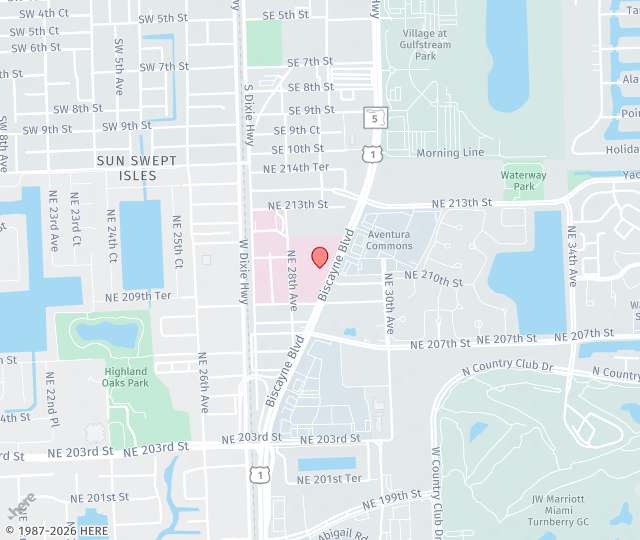
Schedule your consultation with Dr. Baotram Tran in Aventura to discuss your breast revision options.
REQUEST A CONSULTATION
Please use this form for general information purposes only. DO NOT send personal health information through this form. Specific patient care must be addressed during your appointment.Please complete the following form to request an appointment. Please also note that availability will vary depending on your request. Your appointment will be confirmed by phone by a member of our staff. Thank you!