Limited-Incision Facial Rejuvenation for Early Jowling and Lower-Face Aging
When You Need More Than Non-Surgical Treatment—but Not a Full Facelift
Facial aging does not happen all at once.
For some patients, the earliest noticeable changes are subtle:
- Early jowling
- Mild loss of jawline definition
- Early lower-face laxity
- Slight skin looseness around the lower cheeks
- A less defined transition between the face and jawline
These changes may be too significant for fillers or non-surgical skin tightening to correct effectively, yet not advanced enough to require a more comprehensive Deep Plane Facelift.
A Mini Facelift is a limited-incision facial rejuvenation procedure designed for carefully selected patients with earlier lower-face aging and relatively good skin quality.
The operation can improve early jowling and mild lower-face laxity through a more limited surgical approach than a comprehensive facelift.
Dr. Baotram Tran evaluates the cheeks, jowls, jawline, neck, skin elasticity, facial volume, and overall pattern of aging before determining whether a Mini Facelift is appropriate.
The goal is not simply to choose the smallest operation possible.
It is to choose the least extensive procedure that can still provide meaningful, natural-looking correction.
What Is a Mini Facelift?
The term Mini Facelift does not describe one universally standardized operation.
In general, it refers to a more limited facelift designed to address early lower-face aging through shorter incisions and less extensive dissection than a traditional comprehensive facelift.
Limited-incision facelift techniques include several approaches, and current literature describes them as a family of procedures rather than a single operation. (PubMed)
Depending on the patient's anatomy, a Mini Facelift may involve:
- Shorter incisions around the ear
- Limited skin elevation
- Repositioning or tightening of selected deeper tissues
- Conservative removal of excess skin
- Improvement of early jowling
- Refinement of the jawline
The exact technique should be individualized.
“Mini” should describe the extent of aging being treated—not a shortcut version of a larger operation.
What Can a Mini Facelift Improve?
Early Jowling
One of the most common reasons patients consider a Mini Facelift is early jowl formation.
As tissues begin to descend, the smooth contour of the jawline becomes less distinct.
A limited facelift can reposition selected lower-face tissues and improve this early loss of definition.
Mild Lower-Face Laxity
Patients with relatively modest skin and soft-tissue laxity may benefit from limited lifting and redraping.
More substantial laxity generally requires a more comprehensive approach.
Early Loss of Jawline Definition
A Mini Facelift can help restore a cleaner transition along the jawline when early facial descent is the primary problem.
However, significant neck fullness, platysmal banding, or loose neck skin may require Neck Contouring rather than a Mini Facelift alone.
Mild Skin Laxity
Selected excess skin can be conservatively removed after the deeper tissues have been addressed.
The objective is not to pull the skin tightly.
The skin should redrape over the corrected facial contour rather than carry the primary tension of the lift.
What a Mini Facelift Does NOT Treat Well
A Mini Facelift has limitations.
It is generally not the best procedure for patients with:
- Significant cheek descent
- Advanced jowling
- Substantial facial skin excess
- Significant neck laxity
- Prominent platysmal bands
- Deep neck fullness
- Advanced lower-face aging
- A need for extensive tissue mobilization
In these situations, choosing a smaller operation simply to reduce recovery or incision length may lead to an incomplete result.
A Deep Plane Facelift and/or Neck Contouring may be more appropriate.
The smallest procedure is only advantageous when it is sufficient for the anatomy.
Who Is a Good Candidate for a Mini Facelift?
A Mini Facelift may be appropriate if you have:
- Early jowling
- Mild lower-face laxity
- Early loss of jawline definition
- Relatively good skin elasticity
- Limited excess facial skin
- Early facial aging that is no longer adequately treated with non-surgical options
- Realistic expectations regarding the degree of correction
Good candidates should also:
- Be in appropriate health for elective surgery
- Avoid nicotine
- Maintain a relatively stable weight
- Understand the limitations of limited-incision surgery
There is no ideal age.
Some patients develop early jowling in their 40s, while others may not develop similar changes until later.
Anatomy matters more than chronological age.
Who Is Not an Ideal Candidate?
A Mini Facelift may provide insufficient correction if you have:
- Significant cheek descent
- Advanced jowling
- Substantial skin redundancy
- Significant neck laxity
- Deep facial descent
- Marked platysmal banding
- Prominent deep neck structures
- Advanced facial aging
Current facelift literature emphasizes selecting the operative approach according to the patient's pattern and severity of aging rather than relying on one technique for everyone. (PubMed)
If the anatomy requires a more comprehensive facelift, performing a Mini Facelift simply because it sounds less invasive may compromise the result.
Mini Facelift vs. Deep Plane Facelift
How Much Facial Aging Needs to Be Corrected?
A Mini Facelift and a Deep Plane Facelift are generally intended for different degrees of aging.
| Concern | Mini Facelift | Deep Plane Facelift |
|---|---|---|
| Early jowling | Well suited | Can address |
| Mild lower-face laxity | Well suited | Can address |
| Significant jowling | More limited | Better suited |
| Cheek descent | Limited | More comprehensive |
| Significant skin excess | Limited | Better suited |
| Advanced facial aging | Limited | Better suited |
| Surgical extent | More limited | More comprehensive |
| Neck treatment | Limited | Can be combined with comprehensive neck surgery |
| Typical candidate | Earlier aging | Moderate to advanced aging |
The correct choice is not based simply on recovery time.
It is based on the amount of anatomical correction required.
Mini Facelift vs. Endoscopic Facelift
These procedures are also different.
An Endoscopic Facelift uses endoscopic visualization through limited access points and may be particularly useful when cheek or midface descent is an important component of earlier facial aging.
A Mini Facelift generally focuses more heavily on:
- Early jowling
- Lower-face laxity
- Early jawline changes
In simplified terms:
Endoscopic Facelift → more midface/cheek focused
Mini Facelift → more early lower-face/jowl focused
There can be overlap, and the most appropriate procedure depends on the pattern of aging.
Mini Facelift vs. Fillers
Volume and Tissue Descent Are Different Problems
Dermal fillers can restore volume.
A Mini Facelift repositions selected tissues and removes limited excess skin.
When the primary problem is early jowling or lower-face descent, repeatedly adding filler may increase facial volume without correcting tissue position.
However, if true volume loss is the main concern, surgery may not be necessary.
Selected patients may benefit from conservative Facial Fat Transfer rather than—or in addition to—facelift surgery.
The important question is:
Is the face aging because tissue has descended, volume has been lost, or both?
Mini Facelift vs. Non-Surgical Skin Tightening
Non-surgical treatments can be useful for:
- Mild skin laxity
- Fine lines
- Skin quality
- Selected early aging changes
However, they cannot reproduce surgical repositioning of descended facial tissues.
A Mini Facelift occupies a middle position between non-surgical treatment and more comprehensive facelift surgery.
It provides structural correction through a more limited surgical approach, but it is still surgery and should not be described as a non-surgical facelift.
What About the Neck?
A Mini Facelift Is Not a Deep Neck Lift
A Mini Facelift may modestly improve the transition along the jawline and upper neck in selected patients.
However, it does not comprehensively address:
- Significant loose neck skin
- Platysmal bands
- Deep neck fat
- Digastric prominence
- Submandibular gland prominence
- Significant neck aging
Patients with meaningful neck concerns should be evaluated for Neck Contouring, which may include liposuction, platysmaplasty, preservation neck lift, deep neck contouring, or treatment of other deeper structures depending on anatomy.
Your Consultation Experience
Choosing the Right Amount of Surgery
The most important question during consultation is not:
“Can I have a Mini Facelift?”
It is:
“Will a Mini Facelift provide enough correction for my anatomy?”
During your consultation, Dr. Baotram Tran evaluates:
- Cheek position
- Degree of jowling
- Jawline definition
- Skin elasticity
- Amount of excess skin
- Facial volume
- Lower-face tissue descent
- Neck skin
- Platysmal anatomy
- Submental fullness
- Facial symmetry
- Previous facial procedures
- Previous fillers
- Your aesthetic goals
This evaluation helps determine whether your goals are best addressed with:
- Mini Facelift
- Endoscopic Facelift
- Deep Plane Facelift
- Neck Contouring
- Facial Fat Transfer
- Or a non-surgical treatment
The appropriate procedure is the one that matches the anatomy—not necessarily the one with the shortest recovery.
The Mini Facelift Procedure
A Mini Facelift is generally performed as an outpatient procedure.
Depending on the extent of surgery and the individual patient, anesthesia may include local anesthesia with or without sedation or another appropriate anesthetic plan.
Limited incisions are generally positioned around the ear and may extend into adjacent hair-bearing areas depending on the amount of correction required.
Through these incisions, selected tissues of the lower face are elevated.
Depending on the surgical technique, deeper tissues may be tightened or repositioned.
Excess skin is conservatively removed and the remaining skin is redraped without excessive tension.
Attention is given to:
- Jowl correction
- Jawline definition
- Natural tissue direction
- Facial symmetry
- Earlobe position
- Hairline
- Scar placement
- Skin tension
The goal is not simply tighter skin.
It is subtle structural improvement of early lower-face aging.
Limited Incisions Do Not Mean “No Surgery”
The term Mini Facelift can sometimes create the impression that the procedure is extremely minor.
It is still a surgical facelift.
Limited-incision facelift techniques involve tissue dissection and carry many of the same categories of surgical risk as more extensive facelifts, although the overall extent of surgery may be reduced.
A 2024 systematic review of 20 studies encompassing 4,451 limited-incision facelift patients reported a 3.2% overall complication frequency, with hematoma the most common reported complication. (PubMed)
The benefit of a smaller operation is meaningful only when it provides adequate correction for the patient's anatomy.
Combining Mini Facelift with Other Procedures
Eyelid Surgery
Early lower-face aging may occur together with upper or lower eyelid aging.
Eyelid Surgery can be combined with a Mini Facelift when both areas require treatment.
Endoscopic Brow Lift
When brow descent contributes to upper-face aging, an Endoscopic Brow Lift may be incorporated into the surgical plan.
Facial Fat Transfer
Patients with true facial volume loss may benefit from conservative Facial Fat Transfer at the same time.
The facelift addresses tissue position.
Fat transfer addresses actual volume deficiency.
Neck Contouring
Patients with early jowling but meaningful neck concerns may require Neck Contouring in addition to—or instead of—a Mini Facelift.
Laser Skin Resurfacing
A facelift improves structural aging but does not directly correct fine surface wrinkles, pigmentation, or sun damage.
Selected Laser Skin Resurfacing treatments may complement facial surgery when skin quality is also a concern.
Mini Facelift Before & After Photos
When reviewing Mini Facelift results, look for:
- Improvement in early jowling
- Greater jawline definition
- Natural facial proportions
- Preservation of normal expression
- Absence of excessive skin tension
A Mini Facelift should create a subtle, refreshed improvement rather than an obvious surgical transformation.
View Mini Facelift Before & After Photos
Recovery After a Mini Facelift
What to Expect During Healing
Recovery varies according to the extent of surgery and whether additional procedures are performed.
A limited-incision facelift may involve less tissue dissection than a comprehensive facelift, but swelling, bruising, tightness, and temporary sensory changes should still be expected.
The First Week
Patients may experience:
- Swelling
- Bruising
- Tightness
- Mild to moderate discomfort
- Temporary numbness
- Temporary asymmetry related to swelling
Head elevation and light walking are generally encouraged.
A postoperative dressing or compression garment may be recommended according to the surgical plan.
One to Two Weeks
Swelling and bruising generally improve substantially.
Many patients begin returning to non-strenuous work and social activities during this period.
Residual swelling remains.
Three to Six Weeks
Facial contours become more defined.
Most routine activity is gradually resumed according to postoperative instructions.
Several Months
The tissues continue to soften and settle.
Scars mature and residual swelling progressively decreases.
How Long Does a Mini Facelift Last?
A Mini Facelift can provide long-lasting improvement in appropriately selected patients.
However, it does not stop aging.
Longevity depends on:
- Degree of correction
- Facial anatomy
- Skin quality
- Genetics
- Weight stability
- Sun exposure
- Nicotine use
- Natural aging
Because a Mini Facelift is a more limited operation intended for earlier aging, its effects should not automatically be compared with those of a more comprehensive facelift.
The procedure should be thought of as resetting selected early aging changes, after which the face continues to age naturally.
Investment
Every Mini Facelift is individualized according to anatomy and surgical extent.
| Procedure | Estimated Investment |
|---|---|
| Mini Facelift | Starting at $10,000 |
| Mini Facelift + Facial Fat Transfer | Starting at $13,000 |
| Mini Facelift + Eyelid Surgery | Custom Quote |
| Mini Facelift + Brow Lift | Custom Quote |
| Mini Facelift + Neck Contouring | Custom Quote |
A personalized surgical plan and detailed fee quote will be provided following your consultation.
Mini Facelift Myths and Misconceptions
Myth: A Mini Facelift Is Just a Smaller Deep Plane Facelift
No.
“Mini” generally refers to a limited-incision facelift designed for earlier or more limited aging.
It does not simply mean performing the same comprehensive facelift through a smaller incision.
Myth: A Mini Facelift Is Non-Surgical
No.
A Mini Facelift is surgery involving tissue dissection and repositioning.
The operation may be more limited, but it is not a non-surgical treatment.
Myth: A Mini Facelift Can Correct Any Degree of Facial Aging
No.
Patients with significant jowling, cheek descent, skin excess, or neck aging may require a Deep Plane Facelift or additional neck surgery.
Myth: Smaller Incisions Automatically Mean Better Results
No.
Smaller incisions are only an advantage when they provide sufficient access to correct the problem.
The operation should fit the anatomy.
Myth: A Mini Facelift Has No Downtime
No.
Swelling, bruising, tightness, and tissue healing still occur.
Recovery may be different from a more extensive facelift, but it is still surgical recovery.
Myth: A Mini Facelift Is Only for Younger Patients
No.
Candidacy is determined by the degree and pattern of facial aging rather than chronological age alone.
Myth: A Mini Facelift Always Treats the Neck
No.
It may provide limited improvement near the jawline, but significant neck aging requires separate evaluation and may require Neck Contouring.
Myth: Fillers Can Give the Same Result
No.
Fillers restore volume.
A facelift repositions tissue and can remove selected excess skin.
They address different anatomical problems.
Myth: Mini Facelift Results Are Permanent
No.
The improvement can be long-lasting, but the face continues to age naturally.
Frequently Asked Questions About Mini Facelift Surgery
What Is a Mini Facelift?
A Mini Facelift is a limited-incision surgical facelift designed primarily for patients with early jowling, mild lower-face laxity, and relatively limited excess skin.
What Is the Difference Between a Mini Facelift and a Full Facelift?
A Mini Facelift generally uses more limited incisions and less extensive tissue mobilization.
A comprehensive facelift provides greater ability to address significant jowling, cheek descent, and skin laxity.
What Is the Difference Between a Mini Facelift and a Deep Plane Facelift?
A Deep Plane Facelift involves more comprehensive mobilization of deeper facial tissues and is generally better suited to more advanced facial descent.
A Mini Facelift is typically intended for earlier lower-face aging.
What Is the Difference Between a Mini Facelift and an Endoscopic Facelift?
An Endoscopic Facelift generally emphasizes endoscopic access and may be particularly useful for cheek or midface descent.
A Mini Facelift generally focuses more on early lower-face laxity and jowling.
What Age Is Best for a Mini Facelift?
There is no ideal age.
The procedure is selected according to jowling, skin laxity, facial descent, and overall anatomy.
Will a Mini Facelift Improve My Jowls?
Yes, early jowling is one of the primary indications.
More advanced jowling may require a more comprehensive facelift.
Will a Mini Facelift Improve My Neck?
It may modestly improve the upper neck/jawline transition in selected patients.
Significant neck concerns generally require dedicated Neck Contouring.
Can a Mini Facelift Be Performed Under Local Anesthesia?
Selected limited-incision facelifts may be performed under local anesthesia with or without sedation, depending on surgical extent and patient factors.
A 2024 systematic review found most patients in the included limited-incision facelift studies underwent local wide-awake surgery or conscious sedation. (PubMed)
The anesthetic plan should be individualized.
Do I Need a Drain?
Not every limited-incision facelift requires a drain.
Whether a drain, tissue sealant, or neither is used depends on the technique and surgeon's operative plan.
I would not advertise “no drain” as a defining benefit. A recent review actually found drains or tissue sealants were associated with fewer complications in the studies analyzed. (PubMed)
How Long Is Recovery?
Many patients begin returning to non-strenuous work and social activities within approximately one to two weeks.
Residual swelling, tissue settling, and scar maturation continue longer.
When Will I See My Final Result?
Meaningful improvement becomes visible as swelling decreases over the first several weeks.
The tissues continue to soften and refine over several months.
How Long Do Mini Facelift Results Last?
There is no exact expiration date.
Results can be long-lasting, but their longevity depends on anatomy, skin quality, degree of correction, lifestyle, and natural aging.
Can I Have Eyelid Surgery at the Same Time?
Yes.
Eyelid Surgery may be combined with a Mini Facelift when aging affects both the eyes and lower face.
Can I Have a Brow Lift at the Same Time?
Yes.
An Endoscopic Brow Lift may be added when brow descent contributes to upper-face aging.
Can I Have Fat Transfer at the Same Time?
Yes, in selected patients.
Facial Fat Transfer can restore true volume deficiency while the Mini Facelift improves tissue position.
What Are the Risks of a Mini Facelift?
Potential risks include bleeding, hematoma, infection, delayed wound healing, skin-healing problems, unfavorable scarring, temporary or permanent sensory changes, facial nerve injury, asymmetry, contour irregularities, hairline changes, recurrent laxity, and possible revision surgery.
Individual risks, benefits, alternatives, and procedure-specific considerations will be reviewed during consultation and informed consent.
Why Choose Dr. Baotram Tran?
The Most Important Decision May Be Choosing the Right Facelift
A Mini Facelift can provide an elegant result in the right patient.
But it can also provide an incomplete result when the anatomy requires more extensive correction.
As a double board-certified plastic surgeon, Dr. Baotram Tran approaches limited facial rejuvenation with an emphasis on:
- Individualized facial analysis
- Careful patient selection
- Recognition of early jowling
- Evaluation of cheek and lower-face descent
- Assessment of skin elasticity
- Natural tissue repositioning
- Conservative skin redraping
- Thoughtful incision placement
- Preservation of facial identity
- Evaluation of neck anatomy
- Recognition of true facial volume loss
- Integration with eyelid, brow, neck, fat transfer, or skin treatments when appropriate
- Honest recommendations when an Endoscopic Facelift or Deep Plane Facelift would provide a better result
- Avoidance of performing a limited procedure simply because it has a shorter recovery
Current facelift literature increasingly emphasizes individualized technique selection and customization rather than one standard operation for every patient. (PubMed)
The goal is not to perform the smallest facelift possible.
It is to perform the least extensive facelift that will adequately correct your anatomy.
Schedule Your Consultation
If you are beginning to notice early jowling, mild lower-face laxity, or loss of jawline definition, a Mini Facelift may provide a surgical option between non-surgical treatment and a more comprehensive facelift.
During your consultation, Dr. Baotram Tran will evaluate your cheeks, jowls, jawline, skin elasticity, neck, facial volume, and overall pattern of aging.
Your individualized recommendation may include:
- Mini Facelift
- Endoscopic Facelift
- Deep Plane Facelift
- Neck Contouring
- Eyelid Surgery
- Endoscopic Brow Lift
- Facial Fat Transfer
- Or a non-surgical treatment
The operation should match the degree of facial aging—not simply your preference for a smaller incision.
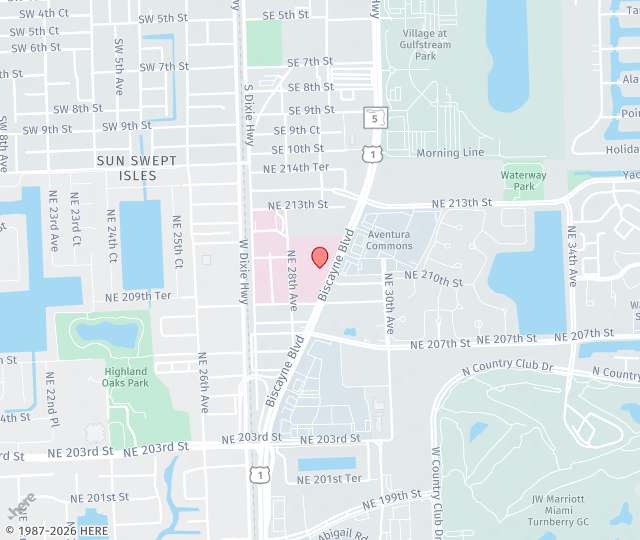
Schedule your consultation with Dr. Baotram Tran in Aventura to determine which approach is most appropriate for your facial anatomy.
REQUEST A CONSULTATION
Please use this form for general information purposes only. DO NOT send personal health information through this form. Specific patient care must be addressed during your appointment.Please complete the following form to request an appointment. Please also note that availability will vary depending on your request. Your appointment will be confirmed by phone by a member of our staff. Thank you!