Gradual Collagen Stimulation for Natural-Looking Facial Rejuvenation
Facial aging is not caused by wrinkles alone.
Over time, the face can experience:
- Loss of collagen
- Loss of facial volume
- Changes in soft-tissue support
- Skin thinning
- Reduced firmness
- Hollowing of the cheeks or temples
- Changes in facial contour
Sculptra® is an injectable poly-L-lactic acid treatment designed to stimulate the body's own collagen production over time.
Unlike traditional hyaluronic acid fillers, which provide immediate gel volume, Sculptra works gradually.
As collagen production increases, selected areas of facial volume loss and skin quality may improve progressively.
Dr. Baotram Tran individualizes Sculptra treatment according to facial anatomy, degree of volume loss, skin quality, previous filler, age-related changes, and overall facial proportions.
The goal is not to create immediate or excessive fullness. It is to stimulate gradual structural improvement while maintaining a natural, balanced appearance.
What Is Sculptra?
Sculptra is an injectable treatment made from poly-L-lactic acid, or PLLA.
PLLA is a biocompatible material that stimulates collagen formation within the tissues.
Sculptra may be used for selected facial wrinkles and areas of age-related volume loss.
Its FDA-approved aesthetic indications include correction of shallow-to-deep nasolabial fold contour deficiencies, other facial wrinkles, and fine lines and wrinkles in the cheek region. (Sculptra)
Unlike traditional filler, Sculptra does not primarily depend on a gel remaining in the tissue to create its long-term result.
Instead, the treatment stimulates gradual collagen production.
How Does Sculptra Work?
Sculptra contains microscopic particles of poly-L-lactic acid suspended in sterile water before injection.
After treatment, the water and initial swelling gradually resolve.
The PLLA particles remain within the tissue and stimulate a controlled collagen response.
Over time:
- New collagen develops
- Tissue support may improve
- Selected areas of volume loss may become less noticeable
- Facial contours may appear more restored
The improvement develops gradually rather than appearing fully immediately after injection.
Sculptra Is a Collagen Biostimulator
Sculptra is frequently described as a biostimulator because its primary purpose is to stimulate collagen production.
This makes it different from traditional hyaluronic acid fillers.
Sculptra
Primarily works by:
- Stimulating collagen
- Producing gradual improvement
- Treating broader areas of selected facial volume loss
Hyaluronic Acid Fillers
Primarily work by:
- Providing immediate volume
- Creating targeted projection
- Filling selected structural deficiencies
Both may be useful, but they are not interchangeable.
What Areas Can Sculptra Treat?
Sculptra may be used in selected areas of the face to improve volume loss and facial aging.
Potential treatment areas may include:
- Cheeks
- Midface
- Temples in appropriately selected patients
- Nasolabial region
- Selected lower-face areas
- Other areas of facial volume loss when appropriate
The precise treatment areas depend on anatomy, indication, and injection technique.
Not every facial region is appropriate for Sculptra.
Sculptra for Cheek Volume Loss
Loss of cheek volume is a common component of facial aging.
Patients may notice:
- Flattening of the cheeks
- Reduced midface support
- More visible nasolabial folds
- Facial deflation
- A less youthful facial contour
Sculptra may gradually improve selected cheek volume loss by stimulating collagen production.
Because the change develops over time, treatment can create a softer progression than immediately placing large volumes of traditional filler.
Sculptra for the Temples
Temporal hollowing can make the upper face appear:
- More skeletal
- Tired
- Aged
- Deflated
Sculptra may be considered for selected patients with temple hollowing.
However, the temple contains important blood vessels and nerves.
Treatment in this region requires detailed knowledge of:
- Tissue planes
- Temporal vessels
- Fascial anatomy
- Injection depth
Patient selection and technique are particularly important.
Can Sculptra Treat Nasolabial Folds?
Yes.
Sculptra is FDA-approved for correction of shallow-to-deep nasolabial fold contour deficiencies and other facial wrinkles. (FDA Access Data)
However, nasolabial folds should not automatically be treated simply by injecting directly into the fold.
Their appearance may also be influenced by:
- Midface volume loss
- Facial structure
- Skin laxity
- Tissue descent
The appropriate treatment should address the anatomy contributing to the fold.
Can Sculptra Improve Skin Quality?
Because Sculptra stimulates collagen, patients may notice changes beyond simple facial volume.
Potential improvements may include:
- Skin firmness
- Tissue support
- Overall skin quality
- Selected fine lines
However, Sculptra should not be considered a substitute for skin-resurfacing treatments when concerns are primarily related to:
- Pigmentation
- Sun damage
- Surface texture
- Acne scars
- Fine superficial wrinkles
Those concerns may require other treatments.
Sculptra vs. Dermal Fillers
Sculptra and Dermal Fillers work differently.
Sculptra
May be useful when the goal is:
- Gradual improvement
- Collagen stimulation
- Broader facial volume restoration
- Progressive rejuvenation
Hyaluronic Acid Filler
May be useful when the goal is:
- Immediate correction
- Precise contouring
- Structural projection
- Lip enhancement
- Chin enhancement
- Selected targeted volume restoration
There is no single treatment that is better for every patient.
The correct choice depends on facial anatomy and the desired result.
Sculptra vs. Facial Fat Transfer
Both Sculptra and Facial Fat Transfer may be used to address facial volume loss.
Sculptra
Advantages may include:
- Office-based treatment
- No donor site
- Gradual collagen stimulation
- Minimal procedural downtime
Facial Fat Transfer
Uses the patient's own fat and may be useful when a larger amount of facial volume restoration is desired.
Fat transfer requires harvesting fat from another area of the body and has variable long-term fat survival.
The appropriate treatment depends on:
- Degree of volume loss
- Areas being treated
- Patient preference
- Desired amount of correction
- Willingness to undergo a surgical procedure
Sculptra vs. Facelift
Sculptra does not replace facelift surgery.
Sculptra
Primarily addresses:
- Selected volume loss
- Collagen deficiency
- Mild facial deflation
Facelift Surgery
Addresses:
- Tissue descent
- Jowling
- Significant facial laxity
- Deeper structural aging
Patients with significant facial descent may be better candidates for a Deep Plane Facelift rather than repeatedly adding injectable volume.
Volume restoration and tissue repositioning are different treatments for different anatomical problems.
Sculptra vs. Botox
Sculptra and Botox & Neuromodulators work in completely different ways.
Sculptra
Stimulates collagen and improves selected volume-related concerns.
Botox and Other Neuromodulators
Reduce selected muscle activity responsible for dynamic wrinkles.
Some patients benefit from both.
Does Sculptra Give Immediate Results?
Sculptra can produce temporary fullness immediately after treatment because of the water used to prepare the product and treatment-related swelling.
Much of this initial fullness decreases over the following days.
The actual collagen-related improvement develops progressively.
This is an important difference between Sculptra and traditional HA filler.
The immediate post-treatment appearance should not be mistaken for the final result.
When Will I See Sculptra Results?
Collagen stimulation takes time.
Patients generally notice progressive improvement over the following weeks and months.
The timing varies according to:
- Age
- Amount of volume loss
- Number of treatments
- Number of vials
- Individual collagen response
- Treatment area
The goal is gradual improvement rather than an abrupt change.
How Many Sculptra Treatments Will I Need?
There is no single treatment schedule appropriate for every patient.
Many patients undergo a series of treatment sessions.
The number of sessions and vials depends on:
- Degree of facial volume loss
- Age
- Treatment areas
- Desired correction
- Previous treatments
- Individual response
Your treatment plan is developed after an assessment of your facial anatomy.
How Many Vials of Sculptra Do I Need?
There is no universal number of vials.
A patient with mild early facial deflation may require less product than someone with more significant generalized volume loss.
Factors influencing the treatment plan include:
- Facial size
- Age
- Degree of collagen loss
- Amount of volume loss
- Number of areas treated
- Treatment goals
The objective is not to use a predetermined number of vials. It is to use an appropriate amount for the individual's anatomy.
How Far Apart Are Sculptra Treatments?
Treatment sessions are generally spaced apart to allow the tissues to respond and collagen production to develop.
The exact timing is individualized.
Patients should not assume that additional product is needed simply because the final collagen response has not yet appeared immediately after the first treatment.
How Long Does Sculptra Last?
Sculptra can produce long-lasting improvement.
Clinical studies supporting the product's labeling have followed aesthetic results and safety through approximately 25 months after treatment, while individual duration can vary. (Sculptra)
The treatment does not permanently stop facial aging.
Over time, patients continue to experience:
- Collagen loss
- Bone remodeling
- Fat changes
- Skin laxity
- Other age-related changes
Future maintenance treatment may therefore be considered based on reassessment rather than a fixed calendar.
Is Sculptra Permanent?
No.
Sculptra is not considered a permanent filler.
The PLLA material gradually breaks down while the collagen response it stimulates may persist longer.
The face continues to age normally after treatment.
Can Sculptra Be Dissolved?
No.
Sculptra cannot be dissolved with hyaluronidase.
Hyaluronidase is used to break down hyaluronic acid filler.
Because Sculptra works differently and cannot simply be reversed in the same manner, conservative treatment, proper dilution, placement, and patient selection are particularly important.
What Is the Difference Between Sculptra and Hyaluronic Acid Filler?
This is one of the most important distinctions for patients considering injectable facial rejuvenation.
Hyaluronic Acid Filler
Provides immediate physical volume.
It can often be dissolved with hyaluronidase.
Sculptra
Stimulates gradual collagen production.
It does not provide the same immediate structural gel effect and cannot be dissolved with hyaluronidase.
Patients who want precise, immediate correction of a specific feature may benefit more from Dermal Fillers.
Patients with broader facial deflation may be candidates for Sculptra.
Is Sculptra Good for the Lips?
Sculptra is not intended for injection into the red portion of the lips.
Its safety and effectiveness in the lip vermilion have not been established, and the official instructions specifically advise against injection into this area. (FDA Access Data)
Patients seeking lip volume or contour may be better candidates for Dermal Fillers or, depending on anatomy, an Upper Lip Lift.
Is Sculptra Good for Under-Eye Hollows?
Sculptra is not used in the same manner as targeted under-eye HA filler.
The lower eyelid and tear-trough region have unique anatomy and are prone to:
- Swelling
- Irregularity
- Visible product
- Other complications
Patients with under-eye concerns should first determine whether the issue is caused by:
- Hollowing
- Lower-eyelid fat
- Skin laxity
- Malar edema
- Festoons
- Pigmentation
- Midface volume loss
Patients with significant lower-eyelid bags or skin laxity may be better candidates for Eyelid Surgery.
Is Sculptra Good After Weight Loss?
Significant weight loss can result in facial deflation.
Patients may notice:
- Hollow cheeks
- Temporal hollowing
- Reduced facial support
- A more skeletal facial appearance
- Increased visibility of skin laxity
Sculptra may be considered when selected facial volume loss is an important component.
However, weight loss can also reveal:
- Significant skin laxity
- Jowling
- Neck laxity
When tissue descent is the primary problem, Deep Plane Facelift or Neck Contouring may provide a more appropriate correction than simply adding volume.
Can Sculptra Make the Face Look Puffy?
It can if treatment is excessive or poorly planned.
Any volume-restoring strategy can distort facial proportions when too much treatment is used.
The face should therefore be evaluated globally.
Areas such as:
- Cheeks
- Temples
- Jawline
- Lower face
should not automatically be treated simply because they can be injected.
More collagen stimulation is not always more rejuvenating.
The goal is to restore appropriate support while maintaining normal facial proportions.
Can Sculptra Cause Lumps or Nodules?
Yes.
One of the recognized complications of Sculptra is the development of:
- Papules
- Nodules
- Firm areas beneath the skin
- Delayed inflammatory reactions
The product labeling specifically recognizes delayed subcutaneous papules and nodules, which may develop days to months after injection and can sometimes persist for a prolonged period. (FDA Access Data)
Proper preparation, injection depth, technique, distribution, and post-treatment care are important.
What Causes Sculptra Nodules?
Potential contributing factors may include:
- Product concentration
- Injection technique
- Superficial placement
- Product distribution
- Individual inflammatory response
- Treatment area
Sculptra should be placed in the appropriate tissue plane.
Superficial injection may increase the risk of visible or palpable papules and nodules. (FDA Access Data)
Can Sculptra Nodules Be Treated?
Treatment depends on the type, location, severity, and cause of the nodule.
Some small palpable nodules may remain asymptomatic.
Others may require treatment.
Management can be more complicated than dissolving an HA filler because Sculptra cannot be reversed with hyaluronidase.
This is another reason appropriate technique and conservative treatment are important.
Can Sculptra Be Injected Into a Blood Vessel?
Sculptra should not be injected into blood vessels.
Intravascular placement of injectable products can potentially cause vascular occlusion and tissue injury.
The official Sculptra labeling warns that vascular implantation can result in occlusion, infarction, or embolic complications. (FDA Access Data)
Detailed knowledge of facial vascular anatomy is important for injectable treatment.
Can Sculptra Cause Blindness?
Serious vascular complications are a recognized concern with facial injectable procedures.
Any injectable placed in vascular facial anatomy must be approached carefully because unintended intravascular injection can potentially produce severe tissue or ocular injury.
Unlike hyaluronic acid filler, Sculptra cannot be dissolved with hyaluronidase.
This makes prevention particularly important.
What Happens During a Sculptra Treatment?
Treatment begins with an assessment of:
- Facial proportions
- Areas of volume loss
- Skin quality
- Existing filler
- Previous Sculptra
- Previous facial surgery
- Treatment goals
Sculptra is prepared before treatment according to product recommendations.
The skin is cleansed.
Topical anesthetic may be used for comfort.
Depending on the treatment plan, product may be placed with a needle, cannula, or another appropriate injection technique.
The exact approach depends on:
- Treatment area
- Tissue plane
- Anatomy
- Clinical judgment
Does Sculptra Hurt?
Patients may experience:
- Pinching
- Pressure
- Mild stinging
- Tenderness
during treatment.
Topical numbing and local anesthetic strategies may be used to improve comfort.
Tenderness can also occur after treatment.
What Should I Expect Immediately After Sculptra?
Temporary effects may include:
- Swelling
- Redness
- Bruising
- Tenderness
- Fullness
- Small injection-site marks
The temporary fullness immediately after treatment is partly related to the fluid used to prepare Sculptra and should not be interpreted as the final collagen result.
How Long Does Swelling Last?
Much of the initial swelling generally improves over several days.
Bruising or residual swelling may last longer.
The amount varies according to:
- Number of areas treated
- Number of injections
- Individual response
- Treatment technique
Patients should allow early swelling to settle before judging the treatment.
Will I Need to Massage After Sculptra?
Post-treatment massage may be recommended as part of Sculptra aftercare.
Instructions can vary according to the treatment plan and current product recommendations.
Patients should follow the specific massage and aftercare instructions provided by Dr. Tran rather than relying on generalized instructions from social media or previous treatments.
Can I Exercise After Sculptra?
Patients may be advised to temporarily avoid strenuous exercise after treatment because heat and increased blood flow may worsen swelling or bruising.
Normal light activity can generally continue.
Follow the individualized instructions provided after treatment.
Who Is a Good Candidate for Sculptra?
You may be a candidate if you have:
- Mild to moderate facial volume loss
- Cheek deflation
- Selected temporal hollowing
- Generalized facial deflation
- Age-related collagen loss
- A preference for gradual improvement
- Realistic expectations
Good candidates should understand that:
- Results are gradual
- More than one treatment may be necessary
- Sculptra cannot be dissolved with hyaluronidase
- Nodules and other complications can occur
- Sculptra does not replace surgery when significant tissue descent is present
Who May Not Be a Good Candidate?
Sculptra may not be appropriate for everyone.
Treatment should not be performed in patients with:
- Allergy to product components
- Active infection or inflammation in the treatment area
- A history of keloid formation or hypertrophic scarring
The manufacturer also states that safety has not been established in pregnancy, lactation, breastfeeding, or patients under 18 years of age. (Sculptra)
Other situations may require individualized consideration.
A complete medical and treatment history should be reviewed before injection.
Your Sculptra Consultation
During your consultation, Dr. Baotram Tran will evaluate:
- Cheek volume
- Temple anatomy
- Midface support
- Nasolabial region
- Lower-face proportions
- Overall facial volume
- Skin quality
- Skin laxity
- Previous fillers
- Previous Sculptra
- Previous facial surgery
- Facial asymmetry
- Weight-loss history
- History of abnormal scarring
- Medical history
- Aesthetic goals
Your individualized treatment plan may include:
- Sculptra
- Hyaluronic Acid Filler
- Dermal Fillers
- Botox & Neuromodulators
- Facial Fat Transfer
- Eyelid Surgery
- Deep Plane Facelift
- Neck Contouring
- Or another individualized facial rejuvenation approach
The most important question is not whether Sculptra can be injected into an area. It is whether collagen stimulation is the best treatment for the anatomical change creating the concern.
Sculptra Investment
Estimated Investment: $1,000–$1,200 Per Vial
The total investment for Sculptra depends on the amount of facial volume loss and the number of vials and treatment sessions recommended.
Factors that may affect your individualized investment include:
- Number of vials
- Number of treatment sessions
- Areas treated
- Degree of facial volume loss
- Facial size and anatomy
- Previous injectable treatments
- Desired degree of correction
Some patients require relatively limited treatment, while patients with more significant facial deflation may require multiple vials over a series of sessions.
The treatment plan should not be based on selling a predetermined number of vials. It should be based on your anatomy and the amount of correction appropriate for your face.
Following your consultation with Dr. Baotram Tran, you will receive a personalized treatment recommendation and detailed quote.
Sculptra Myths and Misconceptions
Myth: Sculptra Is the Same as Traditional Dermal Filler
No.
Sculptra primarily stimulates collagen production.
Traditional HA fillers provide immediate gel volume.
Myth: Sculptra Gives Its Final Result Immediately
No.
Initial fullness is partly related to treatment fluid and swelling.
The true result develops gradually as collagen production increases.
Myth: Sculptra Can Be Dissolved
No.
Sculptra cannot be dissolved with hyaluronidase.
Myth: Sculptra Is Permanent
No.
The product gradually breaks down, and collagen changes also evolve over time.
Myth: More Vials Always Give a Better Result
No.
Excessive treatment can create unwanted fullness or alter facial proportions.
The appropriate amount depends on anatomy.
Myth: Everyone Needs the Same Number of Sculptra Sessions
No.
Treatment needs vary substantially.
Myth: Sculptra Can Replace a Facelift
No.
Sculptra addresses selected volume loss and collagen deficiency.
A Deep Plane Facelift addresses significant tissue descent and jowling.
Myth: Sculptra Is Better Than Filler for Everyone
No.
Some patients need targeted immediate structural correction and may be better candidates for Dermal Fillers.
Others may benefit more from collagen stimulation.
Myth: Sculptra Cannot Cause Lumps
False.
Papules and nodules are recognized complications.
Myth: Sculptra Is Risk-Free Because It Stimulates Your Own Collagen
No.
It is still an injectable medical treatment and carries potential complications.
Myth: Sculptra Is Appropriate for the Lips
No.
Sculptra should not be injected into the red portion of the lips. (FDA Access Data)
Frequently Asked Questions About Sculptra
What Is Sculptra?
Sculptra is an injectable poly-L-lactic acid treatment that stimulates gradual collagen production.
Is Sculptra a Filler?
It is classified as an injectable dermal implant, but clinically it behaves differently from traditional hyaluronic acid fillers because much of its aesthetic effect develops through collagen stimulation.
How Does Sculptra Work?
Poly-L-lactic acid particles stimulate a collagen response within the treated tissue.
The improvement develops gradually.
What Does Sculptra Treat?
Sculptra may be used for selected facial wrinkles and volume-related changes, including the cheek region and nasolabial fold contour deficiencies. (Sculptra)
Is Sculptra FDA Approved?
Yes.
Sculptra is FDA approved for selected facial aesthetic indications. (FDA Access Data)
How Is Sculptra Different From Filler?
HA filler provides immediate volume.
Sculptra stimulates gradual collagen production.
How Long Before I See Results?
Improvement develops gradually over the following weeks and months.
How Many Treatments Will I Need?
The number depends on facial anatomy, degree of volume loss, treatment goals, and individual response.
How Many Vials Will I Need?
There is no universal number.
The treatment plan is determined after examination.
How Long Does Sculptra Last?
Results may persist for approximately two years or longer in some patients, although duration varies and long-term clinical data beyond roughly 25 months are more limited. (FDA Access Data)
Can Sculptra Be Dissolved?
No.
Hyaluronidase does not dissolve Sculptra.
Can Sculptra Be Used in the Lips?
Sculptra should not be injected into the red portion of the lips. (FDA Access Data)
Can Sculptra Treat the Temples?
It may be used in selected patients, but temple treatment requires particular attention to anatomy and technique.
Can Sculptra Treat Under-Eye Hollows?
It is not treated in the same manner as targeted under-eye HA filler.
Under-eye concerns require careful evaluation to determine their cause.
Can Sculptra Help After Weight Loss?
Yes, selected patients with facial deflation after weight loss may benefit.
Patients with significant tissue laxity may require a different treatment.
Can Sculptra Make Me Look Puffy?
Excessive or inappropriate treatment can create unwanted fullness.
Conservative treatment is important.
Does Sculptra Improve Skin?
Collagen stimulation may improve selected aspects of skin quality and firmness, although Sculptra does not replace treatments designed specifically for pigmentation or surface texture.
Does Sculptra Hurt?
Patients may experience temporary pinching, pressure, tenderness, or stinging.
Is There Downtime?
Most patients can resume routine activities relatively quickly.
Swelling, bruising, and tenderness can occur.
How Long Will I Be Swollen?
Initial swelling generally improves over several days, although bruising or residual swelling may last longer.
Do I Need to Massage After Sculptra?
Post-treatment massage may be recommended.
Follow Dr. Tran's individualized aftercare instructions.
Can I Exercise After Sculptra?
Strenuous exercise may be temporarily restricted after treatment.
Can Sculptra Cause Nodules?
Yes.
Papules and nodules are recognized potential complications. (FDA Access Data)
Can Sculptra Cause Vascular Occlusion?
Intravascular injection must be avoided because it can cause vascular occlusion and tissue injury. (FDA Access Data)
How Much Does Sculptra Cost?
The estimated investment is approximately $1,000 - $1,200 per vial.
The total investment depends on the number of vials and treatment sessions required.
What Are the Risks of Sculptra?
Potential risks include:
- Swelling
- Bruising
- Redness
- Tenderness
- Pain
- Bleeding
- Hematoma
- Infection
- Asymmetry
- Under-correction
- Over-correction
- Contour irregularity
- Palpable papules
- Visible papules
- Nodules
- Delayed inflammatory reactions
- Granulomatous reactions
- Unwanted fullness
- Persistent lumps
- Vascular occlusion
- Tissue ischemia or necrosis
- Scarring
- Need for additional treatment
Sculptra's official labeling specifically recognizes delayed papules and nodules and warns against intravascular injection. (FDA Access Data)
Why Choose Dr. Baotram Tran?
Sculptra Requires Understanding Both Facial Anatomy and the Aging Process
Collagen stimulation should not be approached simply by identifying where the face looks hollow.
Facial aging may involve:
- Collagen loss
- Fat loss
- Fat redistribution
- Bone remodeling
- Ligament changes
- Skin laxity
- Tissue descent
Different anatomical problems require different treatments.
As a double board-certified plastic surgeon, Dr. Baotram Tran approaches Sculptra treatment with attention to:
- Facial anatomy
- Facial proportions
- Degree of volume loss
- Skin quality
- Existing filler
- Previous Sculptra
- Tissue descent
- Appropriate treatment depth
- Facial vascular anatomy
- Conservative product use
- Avoidance of overfilling
- Recognition of patients who would benefit more from filler, fat transfer, or surgery
- Early recognition of injectable complications
- Long-term facial rejuvenation planning
Because Dr. Tran also performs surgical facial rejuvenation, Sculptra can be considered within the broader context of facial aging rather than as the automatic solution to every hollow or wrinkle.
Sometimes gradual collagen stimulation is the appropriate treatment. Sometimes targeted filler is more precise. Sometimes facial fat transfer is more appropriate. And when significant tissue descent is present, surgery may create a more natural result than continuing to add volume.
The goal is not simply to stimulate more collagen. It is to restore facial support in a way that remains balanced with the rest of the face.
Schedule Your Consultation
If facial deflation, cheek volume loss, temporal hollowing, or age-related collagen loss is affecting your appearance, Sculptra may provide a gradual non-surgical rejuvenation option.
During your consultation, Dr. Baotram Tran will evaluate your facial anatomy, volume distribution, skin quality, previous injectable treatments, facial laxity, and aesthetic goals.
Your individualized treatment plan may include:
- Sculptra
- Dermal Fillers
- Botox & Neuromodulators
- Facial Fat Transfer
- Eyelid Surgery
- Deep Plane Facelift
- Neck Contouring
- Or another individualized facial rejuvenation approach
The appropriate treatment depends on whether your concern is caused by collagen loss, volume loss, skin quality, tissue descent, or a combination of these factors.
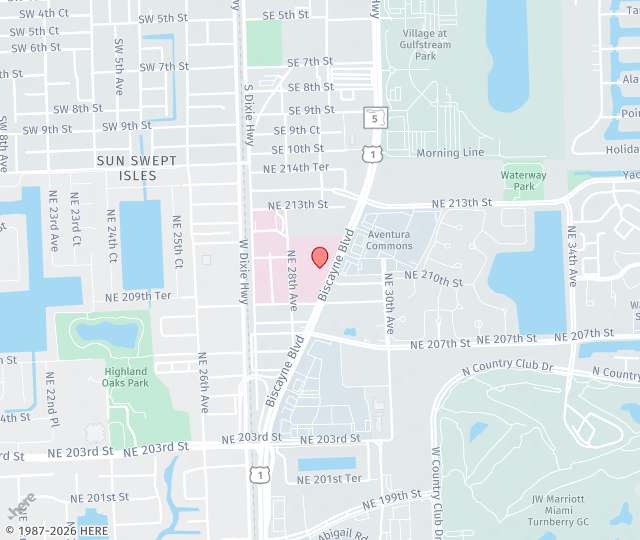
Schedule your consultation with Dr. Baotram Tran in Aventura to discuss whether Sculptra is appropriate for you.
REQUEST A CONSULTATION
Please use this form for general information purposes only. DO NOT send personal health information through this form. Specific patient care must be addressed during your appointment.
Please complete the following form to request an appointment. Please also note that availability will vary depending on your request. Your appointment will be confirmed by phone by a member of our staff. Thank you!