Restore Facial Volume Naturally Using Your Own Fat
Facial aging is not caused by loose skin alone.
Over time, the face also undergoes changes in fat distribution, soft-tissue volume, skin quality, and underlying facial structure. Loss of youthful facial volume can contribute to hollow temples, flatter cheeks, deeper facial folds, under-eye hollowness, and an overall more tired or aged appearance.
Facial fat transfer, also known as facial fat grafting, uses your own fat to restore volume to selected areas of the face.
Fat is gently harvested from another area of the body, carefully prepared, and strategically transferred into areas where additional volume can improve facial balance and contour.
Unlike temporary dermal fillers, successfully transferred fat becomes living tissue within the face and can provide long-lasting volume restoration.
Dr. Baotram Tran individualizes facial fat transfer according to facial anatomy, patterns of volume loss, skin quality, facial proportions, and the patient's overall rejuvenation goals.
The goal is not to make the face look fuller or overfilled. It is to restore volume selectively where it has been lost while maintaining natural facial proportions.
What Is Facial Fat Transfer?
Facial fat transfer is a surgical procedure that uses your own fat to restore or enhance facial volume.
The procedure involves three main steps:
- Fat is harvested using gentle liposuction.
- The harvested fat is carefully processed and prepared.
- Small amounts of fat are strategically transferred into selected areas of the face.
The transferred fat is placed in small amounts throughout the tissues so that surviving fat cells can establish a blood supply.
The portion of fat that successfully survives becomes living tissue within the treated area.
Facial fat transfer may be used to improve:
- Hollow temples
- Flattened or deflated cheeks
- Midface volume loss
- Under-eye hollowness in selected patients
- Nasolabial folds
- Perioral volume loss
- Selected facial depressions
- Facial asymmetry
- Age-related facial deflation
- Volume loss accompanying facial aging
Fat grafting can be performed alone or combined with other facial rejuvenation procedures.
Why Does the Face Lose Volume With Age?
A youthful face is not simply a face with tight skin.
Facial aging involves multiple anatomical changes.
Over time, there may be changes in:
- Facial fat compartments
- Fat distribution
- Skin elasticity
- Collagen
- Facial ligaments
- Muscle
- Bone structure
- Soft-tissue position
Some areas become hollow while other tissues descend.
This distinction is important because volume loss and tissue descent are not the same problem.
Fat transfer can restore lost volume.
It cannot fully reposition significantly descended facial tissues.
Patients with substantial jowling, jawline laxity, or descended cheeks may benefit more from a Deep Plane Facelift or Endoscopic Facelift, with fat grafting added when volume restoration is also needed.
Where Can Facial Fat Be Transferred?
Fat can be strategically placed in several areas of the face depending on the patient's anatomy.
Common treatment areas include:
- Temples
- Cheeks
- Midface
- Selected under-eye areas
- Nasolabial region
- Perioral region
- Chin and jawline in selected patients
- Areas of localized volume deficiency
- Areas of facial asymmetry
Not every area should be treated in every patient.
Natural facial rejuvenation depends on restoring volume selectively rather than adding volume everywhere.
Fat Transfer to the Temples
Temple hollowing can become increasingly noticeable with age.
Loss of temporal volume may create:
- A hollow appearance beside the eyes
- Greater visibility of the temporal contour
- A more skeletal upper face
- An abrupt transition between the forehead and cheek
Fat transfer can restore selected temporal volume and create a smoother transition between the upper and midface.
Because important blood vessels and nerves are present within the temporal region, detailed anatomical knowledge and careful technique are essential.
Fat Transfer to the Cheeks
The cheeks play an important role in youthful facial shape.
With aging, the midface can lose volume and soft tissues may descend.
Fat grafting may be used to restore volume to selected cheek and midface areas.
This may improve:
- Cheek contour
- Midface volume
- Facial balance
- The transition between the lower eyelid and cheek
- Selected nasolabial shadowing
However, adding volume cannot fully correct significant tissue descent.
If the cheek has substantially descended, lifting the tissue may create a more natural result than simply adding additional volume.
In those patients, a Deep Plane Facelift or Endoscopic Facelift may be more appropriate.
Fat Transfer Under the Eyes
Volume loss around the lower eyelid and upper cheek can contribute to a tired appearance.
In selected patients, carefully placed fat may improve the transition between the lower eyelid and cheek.
However, not every under-eye concern is caused by volume loss.
Lower-eyelid aging may also involve:
- Protruding orbital fat
- Lower-eyelid skin excess
- Eyelid laxity
- Festooning
- Malar edema
- Midface descent
- Pigmentation
- Skin-quality changes
Adding volume to the wrong patient can make the lower eyelid appear heavier rather than younger.
Patients with significant lower-eyelid aging may be better candidates for Eyelid Surgery, sometimes combined with facial fat grafting.
Fat Transfer to the Nasolabial Region
Nasolabial folds develop from several factors, including:
- Facial anatomy
- Midface volume changes
- Tissue descent
- Skin changes
Fat grafting can soften selected areas around the nasolabial region.
However, simply filling a deep fold does not address significant midface descent.
The treatment should be based on why the fold is present, rather than simply placing volume directly into every visible line.
Fat Transfer Around the Mouth
The perioral region also changes with age.
Selected fat grafting may be used to restore volume around the mouth and improve facial balance.
However, wrinkles around the lips are frequently related to skin quality rather than volume alone.
Patients with significant fine lines, sun damage, or textural changes may benefit more from Laser Skin Resurfacing, either alone or combined with volume restoration.
Facial Fat Transfer vs. Dermal Fillers
Both fat transfer and dermal fillers can restore facial volume, but they are very different treatments.
Facial Fat Transfer
Potential advantages include:
- Uses your own tissue
- Can treat multiple facial areas
- Can provide long-lasting volume
- Particularly useful when broader facial volume restoration is desired
- Can be performed during facelift or eyelid surgery
Potential limitations include:
- Requires a surgical procedure
- Requires fat harvesting
- More swelling and recovery than routine filler treatment
- Some transferred fat will not survive
- Final volume is less immediately predictable
- Small adjustments are more difficult than with filler
Dermal Fillers
Potential advantages include:
- Office-based treatment
- Minimal recovery
- Immediate volume correction
- Ability to make small, precise adjustments
- No fat donor site required
Potential limitations include:
- Results are generally temporary
- Repeat treatments are usually required
- Cost accumulates with repeated treatment
- Excessive filler can distort normal facial proportions
- Filler does not reposition descended facial tissues
For small-volume correction, filler may be more practical.
For broader age-related facial volume loss, fat transfer may offer advantages in appropriately selected patients.
The best treatment depends on whether the face needs subtle adjustment, broader volume restoration, tissue lifting, or a combination of these approaches.
Facial Fat Transfer vs. Facelift
Fat transfer and facelift surgery address different components of facial aging.
Facial Fat Transfer
Primarily restores lost volume.
Facelift Surgery
Primarily repositions descended facial tissues and improves laxity.
Patients with facial deflation but relatively good tissue position may benefit from fat grafting alone.
Patients with:
- Jowls
- Jawline laxity
- Descended cheeks
- Lower-face laxity
- Significant neck aging
may require a Deep Plane Facelift or other lifting procedure.
Many patients have both volume loss and tissue descent.
For these patients, combining lifting with selective fat grafting can address different components of facial aging during the same surgical plan.
Facial Fat Transfer with Deep Plane Facelift
A Deep Plane Facelift repositions descended facial tissues.
Fat transfer restores selected areas of lost volume.
These procedures can complement one another because they address different aspects of facial aging.
During combined facial rejuvenation, Dr. Tran may evaluate:
- Temple hollowing
- Cheek volume
- Midface position
- Lower-eyelid transition
- Nasolabial region
- Perioral volume
- Jawline
- Overall facial proportions
The objective is not simply to tighten the face and then add volume.
The goal is to restore facial structure, position, and volume in a coordinated way.
Facial Fat Transfer with Endoscopic Facelift
Younger patients or patients with more localized midface aging may be candidates for an Endoscopic Facelift.
When appropriate, fat transfer can be combined with endoscopic lifting to address both:
- Tissue position
- Facial volume
The endoscopic procedure repositions selected tissues, while fat grafting can restore volume in areas such as the temples or other areas of facial deflation.
The combination is individualized according to the pattern of facial aging.
Facial Fat Transfer with Eyelid Surgery
The eyelids and midface should be evaluated together.
A patient who appears tired may have:
- Lower-eyelid fat prominence
- Under-eye hollowing
- Midface volume loss
- Skin excess
- Eyelid laxity
- Brow descent
- Or a combination of these changes
Fat grafting may be combined with Eyelid Surgery when volume restoration would improve the transition between the eyelid and surrounding face.
The objective is to create a smooth, natural transition rather than simply remove tissue or add volume.
Facial Fat Transfer with Laser Skin Resurfacing
Facial aging involves both deeper structural changes and changes in the skin itself.
Fat grafting can restore volume, but it does not directly treat:
- Fine wrinkles
- Sun damage
- Uneven pigmentation
- Rough skin texture
- Certain acne scars
Laser Skin Resurfacing can be combined with facial rejuvenation when improvement in skin quality is also desired.
This allows different treatments to address different layers of facial aging.
Facial Fat Transfer After Significant Weight Loss
Weight loss can produce noticeable facial deflation.
Patients may develop:
- Hollow temples
- Reduced cheek volume
- Midface flattening
- More prominent facial contours
- Loose facial skin
Fat transfer can restore selected volume.
However, patients with significant skin and tissue descent may also require a lifting procedure.
The appropriate treatment depends on whether the primary problem is volume loss, tissue descent, or both.
Facial Fat Transfer for Facial Asymmetry
No face is perfectly symmetrical.
However, differences in soft-tissue volume can sometimes make facial asymmetry more noticeable.
Fat grafting allows different amounts of fat to be placed in different areas and may help improve selected volume differences.
Facial asymmetry may also arise from:
- Bone structure
- Muscle activity
- Tissue position
- Previous surgery
- Trauma
- Congenital differences
Fat transfer cannot correct every cause of asymmetry.
The goal is improved facial balance—not perfect symmetry.
Where Is the Fat Taken From?
Only a relatively small amount of fat is usually required for facial fat grafting.
Potential donor sites include:
- Abdomen
- Waist
- Flanks
- Thighs
- Other areas with adequate subcutaneous fat
Fat is harvested through small liposuction access sites.
Because facial fat transfer usually requires substantially less fat than breast fat transfer, many relatively lean patients still have enough donor fat for the procedure.
How Is Facial Fat Prepared?
After harvesting, the fat is carefully processed to prepare viable fat for transfer.
The goal is to separate usable fat from unwanted fluid and other material while minimizing unnecessary trauma to the fat cells.
The prepared fat is then transferred using small cannulas.
Different areas of the face may require different amounts and patterns of placement.
How Is Fat Transferred Into the Face?
Fat is transferred through small access points using fine cannulas.
Rather than depositing one large collection of fat, small amounts are distributed through carefully selected tissue planes.
This technique allows the transferred fat to remain in contact with surrounding vascularized tissues as it heals.
Precise placement is important because facial fat transfer is not simply about adding volume.
It requires consideration of:
- Facial anatomy
- Facial proportions
- Depth of placement
- Existing volume
- Tissue quality
- Facial movement
- Surrounding structures
The objective is controlled three-dimensional facial contouring.
How Much of the Transferred Fat Survives?
Not every transferred fat cell survives.
Some of the transferred fat establishes a new blood supply and becomes incorporated into the facial tissues.
Some is gradually reabsorbed.
Fat survival varies between patients and depends on factors including:
- Harvesting technique
- Processing
- Placement technique
- Recipient-site blood supply
- Amount transferred
- Individual healing
- Nicotine exposure
- Weight changes
Because survival is not perfectly predictable, an exact final volume cannot be guaranteed.
Is Facial Fat Transfer Permanent?
The portion of transferred fat that successfully survives can remain long term.
Once established, the transferred fat behaves like living fat elsewhere in the body.
It can therefore change with:
- Weight gain
- Weight loss
- Aging
- Hormonal changes
Facial aging also continues after surgery.
Fat transfer does not stop the aging process, but surviving fat can provide long-lasting volume restoration.
Can Too Much Fat Make the Face Look Puffy?
Yes.
More volume does not automatically create a younger-looking face.
Excessive volume can make facial features appear:
- Heavy
- Rounded
- Puffy
- Distorted
- Less defined
This is particularly important in patients whose primary problem is tissue descent rather than true volume deficiency.
If descended tissue is repeatedly treated by adding more volume, the face can become fuller without becoming more youthful.
Facial fat transfer should restore missing volume—not erase every line or fill every area of the face.
Is Fat Transfer Better Than Filler for an Overfilled Face?
Patients who already have significant filler should be carefully evaluated before additional volume is added.
An overfilled appearance may result from:
- Excessive filler volume
- Filler placement
- Tissue descent
- Natural facial anatomy
- A combination of these factors
Adding fat is not automatically the solution.
In some patients, addressing existing filler or tissue descent may be more appropriate than adding additional volume.
Can Facial Fat Transfer Improve Skin Quality?
Some patients notice improvement in the appearance of the overlying tissues after fat grafting.
However, facial fat transfer should primarily be considered a volume-restoration procedure.
It should not replace treatments specifically designed to improve:
- Fine wrinkles
- Pigmentation
- Sun damage
- Skin texture
- Skin laxity
When skin quality is a major concern, fat grafting may be combined with Laser Skin Resurfacing or other appropriate skin treatments.
Your Facial Fat Transfer Consultation
During your consultation, Dr. Baotram Tran will evaluate your face as a whole rather than focusing only on individual wrinkles or hollows.
Evaluation may include:
- Temple volume
- Brow position
- Upper and lower eyelids
- Under-eye contour
- Cheek volume
- Midface position
- Nasolabial region
- Perioral region
- Jawline
- Facial symmetry
- Skin quality
- Tissue laxity
- Previous filler
- Previous facial surgery
- Available donor fat
- Overall facial proportions
The most important question is not simply where fat can be placed.
It is what anatomical changes are actually creating the aged appearance.
Your treatment plan may involve:
- Facial fat transfer alone
- Deep Plane Facelift
- Endoscopic Facelift
- Eyelid Surgery
- Endoscopic Brow Lift
- Laser Skin Resurfacing
- Or a combination of procedures
The Facial Fat Transfer Procedure
Facial fat transfer is generally performed as an outpatient procedure.
The procedure may be performed alone or as part of a larger facial rejuvenation surgery.
A small amount of fat is harvested from a selected donor area.
The fat is carefully prepared and transferred to predetermined areas of the face using small cannulas.
Attention is given to:
- Facial symmetry
- Facial proportions
- Areas of true volume deficiency
- Depth of fat placement
- Relationship between adjacent facial regions
- Avoiding excessive volume
The amount placed varies considerably between patients.
Facial Fat Transfer Before & After Photos
Before-and-after photographs can help demonstrate the type of change possible with facial fat grafting.
When reviewing results, consider:
- Starting degree of facial volume loss
- Age
- Facial structure
- Areas treated
- Whether fat transfer was performed alone
- Whether facelift surgery was performed
- Whether eyelid surgery was performed
- Whether laser resurfacing was performed
Fat-transfer results should be evaluated in the context of the patient's entire facial rejuvenation plan.
View Facial Fat Transfer Before & After Photos
Recovery After Facial Fat Transfer
The First Few Days
Patients commonly experience:
- Facial swelling
- Bruising
- Temporary fullness
- Mild tenderness
- Donor-site soreness
- Temporary asymmetry related to swelling
The treated areas may intentionally appear fuller than the expected final result.
One to Two Weeks
Swelling and bruising progressively improve.
Many patients return to routine social and work activities as swelling becomes less noticeable.
Residual swelling may remain.
Several Weeks
The face continues to soften.
Some of the initial volume decreases as swelling resolves and non-surviving fat is reabsorbed.
Several Months
The surviving fat becomes increasingly stable and the final degree of volume restoration becomes easier to evaluate.
If fat transfer was combined with facelift or eyelid surgery, recovery also depends on those procedures.
Will My Face Look Overfilled Immediately After Surgery?
It may look fuller than expected during early recovery.
This occurs because of:
- Surgical swelling
- Transferred fat
- Temporary tissue inflammation
The early appearance is not the final result.
Facial volume decreases as swelling resolves and a portion of the transferred fat is naturally reabsorbed.
Will I Need More Than One Fat Transfer?
Possibly.
Many patients achieve meaningful improvement after one procedure.
Some may later choose additional fat grafting if they want:
- Additional volume
- Further correction of asymmetry
- Refinement of a specific area
- Additional volume restoration as aging continues
The need for another treatment cannot be predicted precisely before the first procedure has healed.
Facial Fat Transfer Investment
Estimated Investment: $5,000–$8,500
Facial fat transfer is individualized according to the amount of volume loss, the number of facial areas being treated, the donor site, and whether the procedure is performed alone or combined with facial surgery.
Your investment may vary based on:
- Number of facial areas treated
- Amount of fat harvested
- Donor site
- Degree of facial volume loss
- Whether treatment includes the temples, cheeks, under-eye region, or other areas
- Anesthesia requirements
- Operating room or facility fees
- Whether facial fat transfer is combined with another procedure
Facial fat transfer performed as a standalone procedure may fall within the lower portion of the range.
More extensive full-face fat grafting or fat transfer combined with other facial rejuvenation procedures may require a greater investment.
A personalized surgical plan and detailed quote will be provided following your consultation with Dr. Baotram Tran.
Facial Fat Transfer with Other Procedures
Facial fat transfer is often combined with procedures that address tissue descent or other components of facial aging.
Estimated investment may be structured as:
| Procedure | Estimated Investment |
|---|---|
| Facial Fat Transfer | $5,000–$8,500 |
| Facial Fat Transfer with Eyelid Surgery | Custom Quote |
| Facial Fat Transfer with Endoscopic Facelift | Custom Quote |
| Facial Fat Transfer with Deep Plane Facelift | Custom Quote |
| Deep Plane Facelift + Neck Lift + Facial Fat Transfer | Custom Quote |
Facial Fat Transfer Myths and Misconceptions
Myth: Facial Aging Is Just Volume Loss
No.
Facial aging involves changes in skin, fat, ligaments, soft-tissue position, muscle, and bone.
Some patients need volume restoration.
Others primarily need tissue repositioning.
Many need both.
Myth: More Fat Makes the Face Look Younger
No.
Excessive facial volume can create an unnatural or puffy appearance.
Fat should be placed only where it improves facial structure and proportion.
Myth: Fat Transfer Can Replace a Facelift
Not when significant tissue descent or laxity is present.
Fat restores volume.
A Deep Plane Facelift repositions descended facial tissues.
The procedures address different anatomical problems.
Myth: Fat Transfer Is Just Permanent Filler
Not exactly.
Both can restore volume, but fat is living tissue and its survival is variable.
Fat transfer also requires harvesting and a surgical recovery.
Myth: All of the Transferred Fat Survives
No.
Some transferred fat survives long term and some is naturally reabsorbed.
Myth: Fat Transfer Can Fix Every Under-Eye Problem
No.
Under-eye concerns may result from volume loss, protruding fat, skin excess, eyelid laxity, midface descent, pigmentation, or other factors.
Some patients are better candidates for Eyelid Surgery.
Myth: Fat Transfer Can Remove Facial Wrinkles
Fat may soften selected folds related to volume loss, but it does not directly resurface the skin.
Fine wrinkles and sun damage may respond better to Laser Skin Resurfacing.
Myth: Fat Transfer Has No Risks Because It Uses Your Own Fat
No.
Facial fat grafting is a surgical procedure and has potential risks and complications.
Frequently Asked Questions About Facial Fat Transfer
What Is Facial Fat Transfer?
Facial fat transfer uses your own fat, harvested from another area of the body, to restore volume to selected areas of the face.
Where Can Fat Be Placed in the Face?
Common areas include the temples, cheeks, midface, selected under-eye areas, nasolabial region, perioral region, and other localized areas of volume deficiency.
Is Facial Fat Transfer Permanent?
The portion of transferred fat that survives can remain long term.
However, the fat continues to respond to aging and weight changes.
How Much Fat Survives?
Fat survival varies between patients.
An exact percentage or final volume cannot be guaranteed.
Is Fat Transfer Better Than Filler?
Neither is universally better.
Filler may be preferable for small, precise, temporary corrections.
Fat transfer may be useful when broader or longer-lasting volume restoration is desired.
Can Fat Transfer Replace a Facelift?
Not when significant tissue descent is present.
A facelift repositions descended tissue, while fat grafting restores lost volume.
Can Fat Transfer Be Combined with a Facelift?
Yes.
Fat grafting can complement Deep Plane Facelift surgery because the procedures address different aspects of facial aging.
Can Fat Transfer Be Combined with Eyelid Surgery?
Yes.
Selected patients may benefit from combining fat grafting with Eyelid Surgery to improve both eyelid anatomy and surrounding facial volume.
Can Fat Transfer Be Combined with Laser Resurfacing?
Yes, when appropriate.
Fat transfer addresses volume while Laser Skin Resurfacing addresses selected skin-quality concerns.
Can Facial Fat Transfer Treat Hollow Temples?
Yes.
Temple volume loss is a common indication for facial fat grafting.
Can Fat Transfer Treat Under-Eye Hollows?
It may be appropriate for selected patients.
The lower eyelid must be carefully evaluated because not all under-eye concerns are caused by volume loss.
Can Fat Transfer Improve My Cheeks?
Yes.
Fat grafting can restore selected cheek and midface volume.
Significant cheek descent may require lifting rather than volume alone.
Can Fat Transfer Make My Face Look Puffy?
Excessive or poorly distributed volume can create an overfilled appearance.
The goal should be selective restoration rather than generalized facial filling.
Where Is the Donor Fat Taken From?
Common donor areas include the abdomen, waist, flanks, or thighs.
Only a relatively small amount of fat is usually required for facial grafting.
Can Thin Patients Have Facial Fat Transfer?
Often, yes.
Facial fat transfer requires much less donor fat than breast fat transfer.
Individual donor areas still need to be evaluated.
Will I Have Scars?
Fat harvesting requires small liposuction access incisions.
Facial placement is also performed through very small access points.
All surgical incisions can leave scars, although these are generally small.
How Long Does Facial Fat Transfer Recovery Take?
Bruising and swelling are most noticeable during early recovery.
Many patients return to routine social activities within approximately one to two weeks, although residual swelling may last longer.
Recovery is longer when fat transfer is combined with facelift, eyelid surgery, or other procedures.
When Will I See My Final Result?
The early face is swollen and intentionally fuller.
The result becomes more apparent over several months as swelling resolves and surviving fat stabilizes.
Can I Lose the Transferred Fat If I Lose Weight?
Yes.
Transferred fat behaves like other body fat and can decrease in volume with significant weight loss.
What Are the Risks of Facial Fat Transfer?
Potential risks include:
- Bleeding
- Hematoma
- Infection
- Swelling
- Bruising
- Prolonged edema
- Asymmetry
- Contour irregularities
- Under-correction
- Over-correction
- Fat resorption
- Fat necrosis
- Oil cysts
- Palpable irregularities
- Unfavorable scarring
- Donor-site contour irregularities
- Changes in sensation
- Need for additional treatment
- Anesthesia-related complications
Rare but serious complications can occur if fat inadvertently enters a blood vessel, including vascular occlusion, tissue injury, vision loss, stroke, or other severe complications.
Careful anatomical knowledge and appropriate fat-grafting technique are essential when performing facial fat transfer.
Why Choose Dr. Baotram Tran?
Facial Rejuvenation Requires More Than Simply Adding Volume
One of the most important decisions in facial rejuvenation is determining whether a patient needs:
- Volume restoration
- Tissue repositioning
- Skin treatment
- Or a combination of these approaches
Adding volume to tissue that has primarily descended can create an overfilled appearance rather than a naturally rejuvenated face.
As a double board-certified plastic surgeon, Dr. Baotram Tran approaches facial fat transfer with attention to:
- Facial anatomy
- Facial proportions
- Patterns of age-related volume loss
- Temple and midface volume
- Eyelid-cheek relationships
- Tissue descent
- Facial asymmetry
- Skin quality
- Previous filler treatments
- Previous facial surgery
- Appropriate donor-site selection
- Strategic fat placement
- Avoidance of excessive facial volume
- Integration with facelift surgery when appropriate
- Integration with eyelid and brow surgery when appropriate
- Integration with skin resurfacing when appropriate
The goal is not to make an aging face look fuller. It is to determine where youthful volume has actually been lost and restore it while preserving the patient's natural facial structure.
Schedule Your Facial Fat Transfer Consultation
If you have developed hollow temples, loss of cheek or midface volume, selected under-eye hollowing, facial asymmetry, or generalized facial deflation, facial fat transfer may be an option.
During your consultation, Dr. Baotram Tran will evaluate your facial volume, tissue position, eyelids, cheeks, temples, jawline, skin quality, previous treatments, and overall facial proportions.
Your individualized treatment plan may include:
- Facial Fat Transfer
- Temple Fat Grafting
- Cheek and Midface Fat Grafting
- Selected Under-Eye Fat Grafting
- Deep Plane Facelift
- Endoscopic Facelift
- Eyelid Surgery
- Endoscopic Brow Lift
- Laser Skin Resurfacing
- Or a combination of procedures
Natural facial rejuvenation is not about filling every hollow or eliminating every line. It is about restoring appropriate volume, position, and proportion while preserving the features that make you look like yourself.
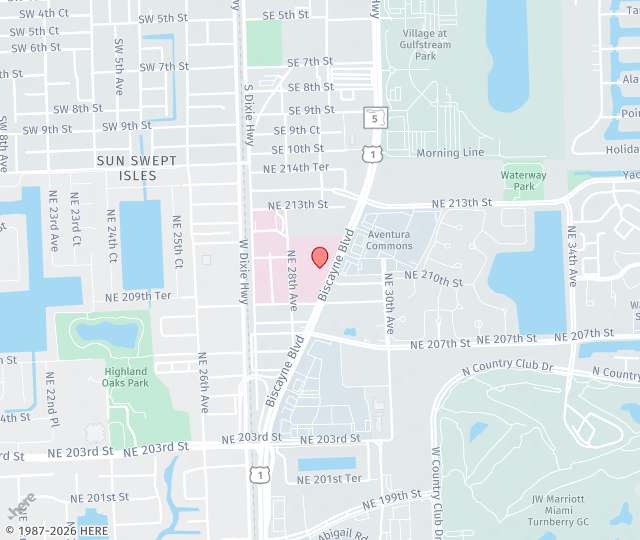
Schedule your consultation with Dr. Baotram Tran in Aventura to determine whether facial fat transfer is appropriate for you.
REQUEST A CONSULTATION
Please use this form for general information purposes only. DO NOT send personal health information through this form. Specific patient care must be addressed during your appointment.Please complete the following form to request an appointment. Please also note that availability will vary depending on your request. Your appointment will be confirmed by phone by a member of our staff. Thank you!