UltraClear® Laser Resurfacing for Wrinkles, Sun Damage, Texture, and Overall Skin Quality
Healthy, youthful skin depends on more than the absence of wrinkles.
Over time, aging, sun exposure, collagen loss, acne, environmental damage, and genetics can contribute to:
- Fine lines and wrinkles
- Sun damage
- Brown spots
- Uneven skin tone
- Rough skin texture
- Enlarged pores
- Acne scars
- Crepey skin
- Dullness
- Loss of skin firmness
Laser skin resurfacing uses controlled laser energy to improve selected concerns involving the surface and deeper layers of the skin.
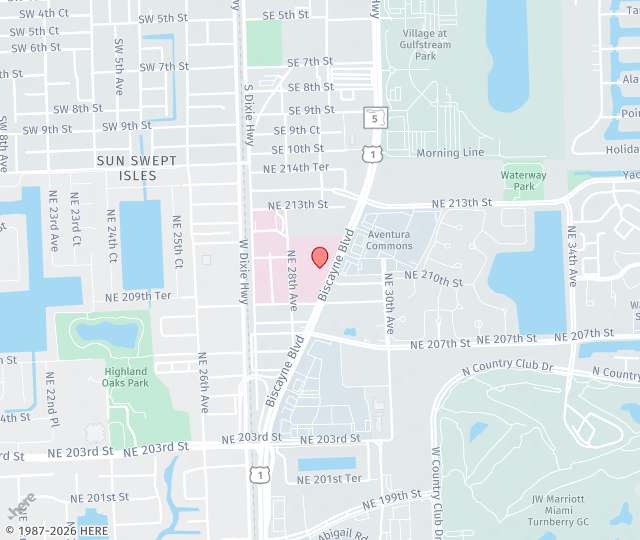
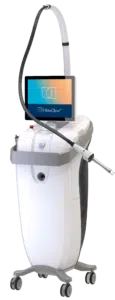
At our Aventura office, Dr. Baotram Tran uses the UltraClear® laser for customizable fractional skin resurfacing.
Treatment can be adjusted according to the patient's skin type, degree of sun damage, wrinkle depth, scarring, pigmentation, treatment goals, and desired recovery time.
The goal is not simply to use the strongest laser setting possible. It is to select the appropriate treatment depth and intensity to create meaningful improvement while balancing recovery, pigment risk, and skin safety.
What Is Laser Skin Resurfacing?
Laser skin resurfacing uses focused light energy to create a controlled treatment within selected layers of the skin.
This controlled injury stimulates the body's healing response and may lead to:
- Removal of damaged surface skin
- Collagen remodeling
- New collagen production
- Smoother skin texture
- Improvement in fine lines
- Improvement in selected pigmentation
- Softening of selected scars
- Overall improvement in skin quality
Different laser wavelengths interact with the skin differently.
The appropriate treatment depends on the patient's skin and the concern being treated.
What Is UltraClear Laser Resurfacing?
UltraClear is a fractional laser platform that uses a 2910 nm erbium-doped fiber laser to resurface the skin and stimulate collagen remodeling.
Because the wavelength is highly absorbed by water within the skin, UltraClear can create controlled fractional treatment while allowing the depth and intensity to be customized.
Depending on the treatment settings, UltraClear may be used to improve:
- Fine lines
- Wrinkles
- Sun damage
- Rough texture
- Crepey skin
- Selected pigmentation
- Acne scars
- Enlarged pores and textural irregularities
- Overall skin quality
Treatment intensity can be adjusted according to:
- Skin type
- Degree of skin damage
- Wrinkle depth
- Scar severity
- Treatment area
- Desired degree of improvement
- Amount of downtime the patient is willing to accept
UltraClear is not one single treatment. The settings and treatment depth can be individualized according to the patient's skin and goals.
What Is Fractional Laser Resurfacing?
Fractional laser resurfacing treats microscopic columns of skin while leaving surrounding areas untreated.
The untreated tissue between these microscopic treatment zones helps support the healing process.
Fractional treatment can stimulate:
- Epidermal renewal
- Collagen remodeling
- New collagen production
- Improvement in skin texture
Treatment depth, density, and energy can be adjusted according to the concern being treated.
A lighter fractional treatment generally produces less downtime and more subtle improvement.
A more intensive treatment generally produces greater resurfacing but requires more recovery.
What Can UltraClear Laser Resurfacing Treat?
UltraClear may be used for selected concerns including:
- Fine lines
- Facial wrinkles
- Sun damage
- Uneven skin texture
- Selected brown pigmentation
- Rough skin
- Enlarged pores
- Acne scars
- Selected surgical scars
- Crepey skin
- Photodamage
- Age-related skin changes
Not every skin concern should be treated with the same technology.
For example, a patient whose primary concern is redness or brown spots may sometimes benefit more from BBL BroadBand Light, while a patient with deeper skin laxity may benefit from Morpheus8 or another treatment.
UltraClear for Fine Lines and Wrinkles
Fine lines and wrinkles develop through a combination of:
- Collagen loss
- Skin thinning
- Sun damage
- Repeated facial movement
- Loss of elasticity
- Aging of the deeper facial tissues
UltraClear can stimulate collagen remodeling and improve selected fine lines and wrinkles.
However, not every wrinkle is primarily a skin problem.
For example:
- Dynamic forehead and frown lines may respond better to Botox & Neuromodulators
- Facial hollowing may benefit from Dermal Fillers, Sculptra, or Facial Fat Transfer
- Significant facial laxity or jowling may require a Deep Plane Facelift
The appropriate treatment depends on what is actually causing the wrinkle.
UltraClear for Sun Damage
Chronic ultraviolet exposure can contribute to:
- Fine lines
- Rough texture
- Brown spots
- Uneven pigmentation
- Skin thinning
- Loss of elasticity
UltraClear resurfacing may improve selected signs of photodamage by resurfacing damaged skin and stimulating collagen remodeling.
However, patients whose primary concern is brown pigmentation or redness may sometimes benefit more from BBL BroadBand Light.
Some patients benefit from both technologies because they address different components of photodamage.
UltraClear for Acne Scars
UltraClear laser resurfacing may improve selected acne scars.
Acne scars can include:
- Rolling scars
- Boxcar scars
- Ice-pick scars
- Mixed scar patterns
Different scar types respond differently to treatment.
Laser resurfacing is often most useful for improving overall texture and selected scar edges.
Deeper scars may require combination treatment such as:
- Subcision
- Scar excision
- Injectable treatment
- Additional resurfacing techniques
No laser can completely erase every acne scar. The goal is meaningful improvement in texture and scar visibility.
UltraClear for Surgical Scars
Selected surgical scars may also benefit from laser resurfacing.
Treatment may improve:
- Texture
- Surface irregularity
- Selected thickness
- Selected pigment differences
However, scar appearance is influenced by:
- Genetics
- Skin type
- Scar location
- Tension
- Previous healing
- Scar maturity
Some scars may require additional treatment such as:
- Silicone therapy
- Steroid injection
- Vascular treatment
- Surgical scar revision
- Other scar-management techniques
UltraClear Around the Eyes
The skin around the eyes is thin and commonly develops:
- Fine lines
- Crepey texture
- Sun damage
- Wrinkles
UltraClear resurfacing may improve selected skin-quality concerns around the eyes.
However, laser treatment does not remove:
- Significant upper-eyelid skin excess
- Lower-eyelid fat bags
- Significant eyelid laxity
- Eyelid ptosis
Patients with structural eyelid aging may be better candidates for Eyelid Surgery, sometimes combined with laser resurfacing.
UltraClear Around the Mouth
The skin around the mouth can develop:
- Vertical lip lines
- Fine wrinkles
- Deeper etched wrinkles
- Rough texture
- Sun damage
Laser resurfacing can be particularly useful for selected perioral lines.
However, wrinkles around the mouth can also be influenced by:
- Repetitive muscle movement
- Lip volume loss
- Loss of structural support
- Upper-lip length
- Overall facial aging
Depending on anatomy, treatment may also include:
- Botox & Neuromodulators
- Dermal Fillers
- Upper Lip Lift
- Or another individualized treatment
UltraClear for Enlarged Pores and Skin Texture
UltraClear may improve the appearance of enlarged pores and irregular texture by resurfacing the skin and stimulating collagen remodeling.
However, pore size is also influenced by:
- Genetics
- Oil production
- Skin type
- Age
Laser treatment can improve the appearance of pores but cannot permanently eliminate them.
UltraClear for Pigmentation
Selected pigmentation may improve with laser resurfacing.
However, not every brown spot should automatically be treated with a resurfacing laser.
Pigmentation can include:
- Sun spots
- Freckles
- Post-inflammatory hyperpigmentation
- Melasma
- Other pigmentary conditions
For patients whose primary concern is brown spots or diffuse photodamage, BBL BroadBand Light may sometimes be a more targeted treatment.
The pigmentation should be properly evaluated before treatment is selected.
UltraClear and Melasma
Melasma is a complex pigmentary condition influenced by:
- Sun exposure
- Hormonal factors
- Heat
- Inflammation
- Genetics
Aggressive laser treatment can sometimes worsen melasma or trigger post-inflammatory hyperpigmentation.
For this reason, laser resurfacing is not automatically the first treatment for every patient with melasma.
Management may involve:
- Strict sun protection
- Topical treatment
- Skin-care optimization
- Carefully selected procedures
The treatment plan should be individualized.
UltraClear and Different Skin Types
Skin type is extremely important when planning laser resurfacing.
Patients with more melanin may have a greater risk of:
- Post-inflammatory hyperpigmentation
- Hypopigmentation
- Uneven pigmentation
This does not mean patients with darker skin tones cannot undergo laser treatment.
It means that:
- Patient selection matters
- Treatment depth matters
- Energy and density matter
- Pre-treatment preparation may matter
- Post-treatment care is particularly important
The strongest treatment is not necessarily the safest or most appropriate treatment for every skin type.
UltraClear vs. Traditional CO₂ Laser Resurfacing
UltraClear and traditional CO₂ lasers can both be used for skin resurfacing, but they use different wavelengths and have different treatment characteristics.
Traditional CO₂ Laser
CO₂ lasers use a 10,600 nm wavelength that is strongly absorbed by water within the skin.
Depending on the device and settings, CO₂ resurfacing may be fractional or fully ablative.
Aggressive CO₂ resurfacing can produce significant improvement in selected patients with:
- Deep wrinkles
- Advanced sun damage
- Significant textural changes
- Acne scars
- Deep perioral wrinkles
- Advanced photodamage
More aggressive CO₂ treatment can also involve:
- Longer healing
- More prolonged redness
- More intensive wound care
- Greater risk of pigment changes
- Greater concern in some darker skin types
UltraClear
UltraClear uses a 2910 nm erbium-doped fiber laser rather than the traditional 10,600 nm CO₂ wavelength.
UltraClear can be customized according to:
- Treatment depth
- Treatment density
- Skin concern
- Skin type
- Desired improvement
- Acceptable downtime
This allows Dr. Tran to adjust the intensity of resurfacing according to the individual patient rather than performing the same treatment for everyone.
Is UltraClear Better Than CO₂ Laser?
Neither technology is automatically better for every patient.
Traditional aggressive CO₂ resurfacing remains a powerful treatment for patients who require significant resurfacing and are willing to accept a longer recovery.
UltraClear provides a customizable fractional resurfacing approach that may offer an attractive balance between:
- Skin improvement
- Treatment depth
- Recovery time
- Skin type
- Pigmentation risk
The goal is not necessarily to perform the most aggressive resurfacing possible. It is to choose the treatment that provides an appropriate balance of improvement, recovery, and safety for the individual patient.
UltraClear vs. CO₂ Laser Downtime
Downtime depends heavily on treatment intensity.
A lighter fractional UltraClear treatment may have substantially less recovery than aggressive CO₂ resurfacing.
A more intensive UltraClear treatment requires more healing than a lighter treatment.
Similarly, fractional CO₂ and fully ablative CO₂ resurfacing have very different recovery profiles.
For this reason, it can be misleading to compare lasers simply by assigning a fixed number of downtime days to each device.
Treatment depth and intensity matter as much as the name of the laser.
UltraClear vs. Er:YAG Laser
Traditional Er:YAG lasers use a wavelength of approximately 2940 nm.
UltraClear uses a 2910 nm erbium-doped fiber wavelength.
Both wavelengths are highly absorbed by water, making them useful for controlled skin resurfacing.
However, they are different laser technologies and should not be considered identical.
Treatment characteristics depend not only on wavelength but also on:
- Device design
- Pulse characteristics
- Energy
- Density
- Depth
- Treatment mode
- Number of passes
Rather than selecting treatment based solely on a laser name, Dr. Tran evaluates the patient's skin and determines the appropriate resurfacing strategy.
UltraClear vs. Morpheus8
UltraClear and Morpheus8 are both used for skin rejuvenation, but they use very different technologies.
UltraClear
UltraClear is a fractional laser resurfacing treatment.
It may be particularly useful for concerns involving:
- Fine lines
- Wrinkles
- Rough texture
- Photodamage
- Crepey skin
- Selected pigmentation
- Acne scars
- Overall skin resurfacing
Morpheus8
Morpheus8 is not a laser.
It combines microneedling with radiofrequency energy delivered beneath the skin through small needles.
Morpheus8 may be useful for selected concerns involving:
- Skin laxity
- Deeper collagen remodeling
- Crepey skin
- Texture
- Acne scars
- Enlarged pores
Because the technologies deliver energy differently, one does not automatically replace the other.
Which Is Better: UltraClear or Morpheus8?
Neither is universally better.
UltraClear may be preferred when the primary concerns involve:
- Surface texture
- Fine lines
- Wrinkles
- Photodamage
- Skin resurfacing
Morpheus8 may be preferred when the treatment goal involves:
- Skin laxity
- Deeper dermal remodeling
- Selected acne scars
- Deeper textural concerns
Some patients have both surface damage and deeper skin laxity.
In these patients, UltraClear and Morpheus8 may be complementary rather than competing treatments.
UltraClear vs. BBL BroadBand Light
UltraClear and BBL BroadBand Light address different components of skin aging.
BBL is not a resurfacing laser.
It uses broad-spectrum intense pulsed light to target selected pigment and vascular concerns.
UltraClear
May be particularly useful for:
- Fine lines
- Wrinkles
- Rough texture
- Crepey skin
- Acne scars
- Textural irregularities
- Collagen remodeling
- Overall skin resurfacing
BBL BroadBand Light
May be particularly useful for selected:
- Brown spots
- Sun spots
- Freckles
- Uneven pigmentation
- Facial redness
- Visible small blood vessels
- Photodamage
Which Is Better: UltraClear or BBL?
Neither treatment is inherently better.
They treat different problems.
A patient primarily bothered by brown spots and redness may benefit more from BBL.
A patient primarily bothered by wrinkles and rough skin texture may benefit more from UltraClear.
A patient with:
- Brown spots
- Redness
- Fine lines
- Rough texture
- Photodamage
may benefit from a treatment strategy incorporating both technologies, when appropriate.
Rather than trying to make one device treat every component of skin aging, Dr. Tran selects treatment according to the specific problem being addressed.
UltraClear vs. Botox
UltraClear and Botox & Neuromodulators treat different causes of wrinkles.
UltraClear
Primarily improves the skin itself, including:
- Texture
- Fine lines
- Photodamage
- Collagen loss
Botox and Other Neuromodulators
Reduce selected muscle activity responsible for dynamic wrinkles.
For example, a patient may have both:
- Forehead lines caused by muscle contraction
- Fine skin texture changes caused by photodamage
Treating both problems may require different treatments.
UltraClear vs. Dermal Fillers
UltraClear and Dermal Fillers also treat different components of facial aging.
UltraClear
Improves selected skin-quality concerns.
Dermal Fillers
May restore:
- Volume
- Structural support
- Projection
- Selected facial contours
Laser resurfacing cannot replace lost facial volume.
Filler cannot resurface sun-damaged skin.
Some patients benefit from both approaches.
UltraClear vs. Facelift Surgery
Laser resurfacing and facelift surgery should not be considered substitutes for one another.
UltraClear
Treats selected:
- Fine lines
- Wrinkles
- Texture
- Photodamage
- Skin-quality changes
Deep Plane Facelift
Treats:
- Tissue descent
- Jowling
- Significant facial laxity
- Deeper structural aging
A Deep Plane Facelift repositions descended facial tissues.
Laser resurfacing cannot reproduce this effect.
UltraClear Laser Resurfacing with Facelift Surgery
UltraClear resurfacing may be combined with facial rejuvenation surgery in appropriately selected patients.
A facelift and laser address different components of aging.
Deep Plane Facelift
Addresses:
- Tissue descent
- Jowling
- Deeper facial laxity
UltraClear
Addresses:
- Fine surface wrinkles
- Skin texture
- Photodamage
- Selected pigmentation
- Skin quality
For selected patients, combining a Deep Plane Facelift with UltraClear resurfacing may provide more comprehensive rejuvenation than either treatment alone.
Why Combine Laser Resurfacing with a Facelift?
A facelift can reposition sagging tissues but does not eliminate:
- Sun damage
- Fine surface wrinkles
- Rough texture
- Selected pigmentation
Laser resurfacing improves the skin itself.
Combining these treatments can therefore address both:
Deeper facial structure + skin quality
However, resurfacing performed with facial surgery requires careful planning.
Skin that has been surgically elevated has altered blood supply during the early healing period.
Treatment location and intensity must therefore be selected carefully to minimize the risk of:
- Delayed healing
- Skin injury
- Pigment changes
- Scarring
UltraClear vs. Chemical Peel
Both laser resurfacing and chemical peels create controlled skin injury to stimulate renewal.
UltraClear
Uses laser energy with adjustable:
- Depth
- Density
- Energy
- Treatment pattern
Chemical Peel
Uses a chemical solution to create controlled exfoliation or injury.
The appropriate choice depends on:
- Skin concern
- Skin type
- Desired treatment depth
- Recovery tolerance
UltraClear vs. Microneedling
Traditional microneedling creates mechanical micro-injuries within the skin.
UltraClear uses laser energy.
Microneedling may be useful for selected:
- Mild texture changes
- Acne scars
- Collagen stimulation
UltraClear may provide more substantial resurfacing for selected:
- Wrinkles
- Photodamage
- Skin texture
- Scars
The appropriate treatment depends on the patient's skin and goals.
Which Treatment Do I Need?
Patients frequently arrive asking for a particular device.
However, choosing treatment according to the device name alone can lead to inappropriate treatment.
A simplified way to understand the technologies is:
Brown Spots, Sun Spots, and Redness
BBL BroadBand Light may be appropriate for selected pigment and vascular concerns.
Fine Lines, Wrinkles, Sun Damage, and Surface Texture
UltraClear Laser Resurfacing may be appropriate.
Skin Laxity and Deeper Dermal Remodeling
Morpheus8 may be appropriate.
Dynamic Expression Lines
Botox & Neuromodulators may be appropriate.
Facial Volume Loss
Dermal Fillers, Sculptra, or Facial Fat Transfer may be appropriate.
Significant Facial Laxity and Jowling
A Deep Plane Facelift may be more appropriate.
Some patients have several components of facial aging and benefit from a combination approach.
Who Is a Good Candidate for UltraClear?
You may be a candidate if you have:
- Fine lines
- Sun damage
- Uneven skin texture
- Selected pigmentation
- Acne scars
- Enlarged pores
- Crepey skin
- Selected scars
- Photodamage
- Realistic expectations
Good candidates should also:
- Be in appropriate health
- Avoid nicotine
- Be able to follow aftercare instructions
- Be willing to protect the skin from sun exposure
- Understand the expected downtime
- Understand the possibility of pigment changes
Who May Not Be a Good Candidate?
Treatment may need to be delayed, modified, or avoided in patients with:
- Active skin infection
- Active cold sore outbreak
- Significant uncontrolled inflammatory skin disease
- Recent tanning
- Significant recent sun exposure
- Poor wound healing
- Certain medical conditions
- Certain medications
- Unrealistic expectations
- Inability to avoid sun exposure during recovery
Skin type and pigmentation history must also be considered.
Cold Sores and Laser Resurfacing
Patients with a history of herpes simplex, or cold sores, should tell Dr. Tran before facial laser treatment.
Laser resurfacing around the mouth can reactivate herpes simplex.
Antiviral medication may be recommended before and after treatment in patients at risk.
Your UltraClear Consultation
During your consultation, Dr. Baotram Tran will evaluate:
- Skin type
- Skin tone
- Sun damage
- Pigmentation
- Redness
- Fine lines
- Wrinkles
- Acne scars
- Skin texture
- Pore appearance
- Skin laxity
- Previous laser treatment
- Previous energy-based treatments
- Previous facial surgery
- History of cold sores
- History of abnormal scarring
- Medications
- Nicotine use
- Sun exposure
- Desired improvement
- Acceptable downtime
Your individualized treatment plan may include:
- UltraClear Laser Resurfacing
- Fractional Laser Resurfacing
- More Intensive UltraClear Resurfacing When Appropriate
- Acne Scar Resurfacing
- Perioral Laser Resurfacing
- Periocular Laser Resurfacing
- BBL BroadBand Light
- Morpheus8
- Botox & Neuromodulators
- Dermal Fillers
- Sculptra
- Facial Fat Transfer
- Eyelid Surgery
- Deep Plane Facelift
- Or another individualized treatment
The appropriate technology is determined by your skin and the problem being treated—not simply by choosing the newest or strongest device.
What Happens During UltraClear Laser Resurfacing?
Treatment begins with cleansing and preparation of the skin.
The type of anesthesia or numbing depends on:
- Treatment intensity
- Treatment area
- Treatment depth
- Whether resurfacing is being performed alone or with surgery
Topical anesthetic or other anesthesia may be used when appropriate.
Protective eye shields are used as needed.
UltraClear is then passed over the treatment area using settings selected according to the individualized treatment plan.
Treatment depth, density, and number of passes vary according to the desired result.
Does UltraClear Hurt?
Discomfort depends on treatment intensity.
Patients may experience:
- Heat
- Stinging
- Burning
- Tenderness
during or after treatment.
More intensive resurfacing generally requires greater pain control and produces more postoperative discomfort than lighter treatment.
What Will My Skin Look Like Immediately After UltraClear?
The appearance depends on treatment intensity.
Patients may experience:
- Redness
- Swelling
- Warmth
- Tenderness
- Dryness
- Peeling
- Crusting
- Temporary darkening of pigmentation
- Oozing after more intensive resurfacing
More aggressive treatment generally produces a more noticeable early recovery.
Recovery After UltraClear Laser Resurfacing
Recovery varies significantly according to treatment depth.
Lighter UltraClear Treatment
Patients may experience:
- Redness
- Mild swelling
- Dryness
- Rough texture
- Temporary bronzing or darkening
Downtime may be relatively limited.
More Intensive UltraClear Resurfacing
Patients may experience:
- More significant redness
- Swelling
- Peeling
- Crusting
- Oozing
- Skin sensitivity
More intensive treatment requires more postoperative skin care and recovery.
The First Few Days After UltraClear
After more intensive resurfacing, the skin may feel similar to a significant sunburn.
Patients may experience:
- Burning
- Tightness
- Swelling
- Weeping or oozing
- Peeling
- Increased sensitivity
The skin should be cared for according to the postoperative instructions provided by Dr. Tran.
Picking or prematurely peeling the skin should be avoided.
How Long Will My Face Be Red?
Redness depends on treatment depth.
After lighter treatment, redness may resolve relatively quickly.
After more intensive resurfacing, redness or pink coloration may persist for several weeks and occasionally longer.
The skin surface can appear healed before all residual redness has disappeared.
When Can I Wear Makeup?
Makeup should not be applied until the skin surface has healed adequately.
Applying makeup to incompletely healed skin may increase:
- Irritation
- Inflammation
- Infection risk
Dr. Tran will advise when makeup can safely be resumed.
When Can I Exercise?
Exercise may need to be temporarily restricted because:
- Heat
- Sweating
- Increased blood flow
can worsen redness, swelling, or irritation.
The appropriate restriction depends on treatment intensity and healing.
When Can I Return to Work?
Return to work depends primarily on treatment depth.
Patients undergoing lighter fractional treatment may return relatively quickly.
Patients undergoing more intensive resurfacing may require substantially more downtime.
Your expected recovery will be discussed before treatment.
Sun Protection After UltraClear
Sun protection is one of the most important parts of recovery.
Newly treated skin is particularly sensitive to ultraviolet exposure.
Patients should use:
- Broad-spectrum sunscreen
- Hats
- Shade
- Physical sun protection
Excessive sun exposure can increase the risk of:
- Hyperpigmentation
- Uneven pigmentation
- Prolonged redness
- Recurrent photodamage
Long-term sun protection also helps preserve the results.
When Will I See Results?
Improvement occurs gradually.
Early changes may include smoother texture after the skin heals.
Collagen remodeling continues over the following weeks and months.
Patients may notice progressive improvement in:
- Texture
- Fine lines
- Skin quality
- Selected scars
- Selected pigmentation
- Overall appearance of photodamage
The timing depends on treatment intensity and individual healing.
How Many UltraClear Treatments Will I Need?
There is no universal number.
Some patients may benefit from one more intensive treatment.
Others may prefer a series of lighter treatments with less downtime.
The treatment plan depends on:
- Skin concern
- Degree of damage
- Skin type
- Desired improvement
- Acceptable downtime
- Previous treatment
How Long Do UltraClear Results Last?
Laser resurfacing can produce long-lasting improvement in treated skin.
However, it does not stop aging.
Skin continues to change because of:
- Sun exposure
- Collagen loss
- Facial movement
- Environmental damage
- Normal aging
Consistent skincare and sun protection can help maintain the improvement.
UltraClear Laser Skin Resurfacing Investment
Estimated Investment: Approximately $1,500–$5,000 Per Treatment
The investment varies according to the treatment area and intensity.
Factors that may affect your individualized investment include:
- Full-face versus localized treatment
- Treatment depth
- Treatment density
- Acne scar treatment
- Perioral resurfacing
- Periocular resurfacing
- Number of treatments required
- Anesthesia requirements
- Combination with another procedure
A lighter treatment may fall toward the lower end of the range, while more intensive full-face resurfacing may require a greater investment.
Following your consultation with Dr. Baotram Tran, you will receive an individualized treatment plan and detailed quote.
UltraClear with Facelift Investment
When UltraClear laser resurfacing is performed together with a Deep Plane Facelift, the investment is individualized according to:
- Areas being resurfaced
- Treatment depth
- Additional operative time
- Anesthesia
- Overall surgical plan
A detailed combined surgical quote will be provided after consultation.
Laser Skin Resurfacing Myths and Misconceptions
Myth: The Strongest Laser Gives the Best Result
No.
More aggressive resurfacing also produces greater tissue injury, recovery, and potential risk.
The correct treatment intensity depends on the patient's skin and goals.
Myth: UltraClear and CO₂ Are the Same Laser
No.
UltraClear uses a 2910 nm erbium-doped fiber laser.
Traditional CO₂ lasers use a 10,600 nm wavelength.
Both can resurface skin, but they are different technologies.
Myth: UltraClear Is Automatically Better Than CO₂
No.
Different patients may benefit from different resurfacing strategies.
Treatment should be selected according to skin type, degree of damage, desired correction, and acceptable downtime.
Myth: Laser Resurfacing Can Replace a Facelift
No.
Laser resurfacing treats skin quality.
A Deep Plane Facelift treats significant tissue descent and jowling.
Myth: Laser Resurfacing Removes Every Wrinkle
No.
Wrinkles may be caused by:
- Muscle movement
- Skin damage
- Volume loss
- Tissue descent
Different causes require different treatments.
Myth: UltraClear and Morpheus8 Do the Same Thing
No.
UltraClear uses laser energy for fractional skin resurfacing.
Morpheus8 uses radiofrequency microneedling.
They target the tissues differently.
Myth: UltraClear and BBL Are the Same Type of Treatment
No.
UltraClear is a fractional resurfacing laser.
BBL BroadBand Light uses intense pulsed light and is particularly useful for selected pigment and vascular concerns.
Myth: Laser Can Remove Every Acne Scar
No.
Acne scars vary considerably in depth and structure.
Combination treatment may be required.
Myth: Laser Resurfacing Is Only for Light Skin
No.
Selected resurfacing treatments can be performed in a range of skin tones.
However, pigment risk must be carefully considered, particularly in patients with more melanin.
Myth: Laser Resurfacing Permanently Stops Skin Aging
No.
Laser treatment can improve existing skin damage but cannot stop future aging or ultraviolet damage.
Myth: One Device Is Best for Every Skin Problem
No.
Different technologies target different components of skin aging.
Frequently Asked Questions About UltraClear Laser Resurfacing
What Is UltraClear?
UltraClear is a fractional 2910 nm erbium-doped fiber laser used for customizable skin resurfacing and collagen remodeling.
What Can UltraClear Treat?
UltraClear may improve selected:
- Fine lines
- Wrinkles
- Sun damage
- Rough texture
- Acne scars
- Enlarged pores
- Crepey skin
- Selected pigmentation
Is UltraClear an Ablative Laser?
UltraClear is an erbium-doped fiber laser capable of fractional ablative resurfacing. Treatment characteristics vary according to the selected mode, depth, density, and settings.
What Is Fractional Laser Resurfacing?
Fractional resurfacing treats microscopic zones of skin while leaving surrounding tissue intact to support healing.
Is UltraClear the Same as CO₂?
No.
UltraClear uses a 2910 nm erbium-doped fiber wavelength, while CO₂ lasers use a 10,600 nm wavelength.
Is UltraClear Better Than CO₂?
Neither is universally better.
The appropriate treatment depends on skin type, degree of damage, desired correction, and acceptable downtime.
What Is the Difference Between UltraClear and Er:YAG?
Traditional Er:YAG lasers generally use a wavelength of approximately 2940 nm.
UltraClear uses a 2910 nm erbium-doped fiber wavelength.
Although both wavelengths are strongly absorbed by water, they are different technologies.
What Is the Difference Between UltraClear and Morpheus8?
UltraClear uses laser energy to resurface the skin.
Morpheus8 uses radiofrequency microneedling to deliver energy beneath the skin.
Which Is Better, UltraClear or Morpheus8?
It depends on the concern.
UltraClear may be more appropriate for surface texture, wrinkles, and photodamage.
Morpheus8 may be more appropriate when deeper dermal remodeling and selected skin laxity are important.
Some patients may benefit from both.
What Is the Difference Between UltraClear and BBL?
UltraClear primarily resurfaces the skin and stimulates collagen remodeling.
BBL BroadBand Light primarily targets selected pigment and vascular concerns such as brown spots and redness.
Which Is Better for Sun Damage, UltraClear or BBL?
It depends on what the sun damage looks like.
BBL may be particularly useful for brown spots and redness.
UltraClear may be particularly useful for fine lines, rough texture, and other surface changes.
Some patients have both and may benefit from a combination approach.
Can UltraClear Treat Acne Scars?
Yes, selected acne scars may improve.
Deep or complex scars may require combination treatment.
Can UltraClear Treat Wrinkles Around My Mouth?
Yes.
Perioral resurfacing may improve selected vertical lip lines and etched wrinkles.
Can UltraClear Treat Wrinkles Around My Eyes?
Yes.
Selected periocular fine lines and crepey texture may improve.
Significant eyelid skin excess or fat bags may require Eyelid Surgery.
Can UltraClear Treat Brown Spots?
Selected pigmentation may improve, although BBL BroadBand Light may be more targeted for some pigment concerns.
Can UltraClear Treat Melasma?
Melasma requires caution because inflammation and heat can worsen pigmentation in some patients.
Treatment should be individualized.
Is UltraClear Safe for Darker Skin?
Selected patients with darker skin tones may be candidates, but pigment risk must be carefully evaluated and treatment settings individualized.
Can UltraClear Be Combined with a Facelift?
Yes, in appropriately selected patients.
Treatment depth and location must be carefully planned when resurfacing is performed with a Deep Plane Facelift.
Can UltraClear Be Combined with Eyelid Surgery?
Yes, in selected patients.
The treatment location and intensity should be planned according to the surgical procedure and skin anatomy.
Does UltraClear Hurt?
Discomfort varies according to treatment intensity.
More intensive resurfacing generally requires more anesthesia and produces greater postoperative discomfort.
How Long Is Recovery?
Recovery varies from relatively short after lighter treatment to substantially longer after more intensive resurfacing.
How Long Will I Be Red?
Redness may last from several days to several weeks or longer depending on treatment depth and individual healing.
When Can I Wear Makeup?
Makeup should be avoided until the skin surface has adequately healed.
When Can I Exercise?
Exercise is resumed according to treatment depth and healing.
Heat and sweating may need to be avoided during early recovery.
How Many Treatments Will I Need?
Some patients may benefit from one more intensive treatment.
Others may undergo a series of lighter treatments.
When Will I See Results?
Early texture improvement develops after healing.
Collagen remodeling continues over the following weeks and months.
How Much Does UltraClear Cost?
The estimated investment is approximately $1,500–$5,000 per treatment.
The final investment depends on the treatment area, depth, intensity, anesthesia requirements, and whether treatment is combined with another procedure.
What Are the Risks of UltraClear Laser Resurfacing?
Potential risks include:
- Pain
- Swelling
- Redness
- Bruising
- Oozing
- Crusting
- Peeling
- Infection
- Herpes simplex reactivation
- Delayed healing
- Acne or milia
- Prolonged redness
- Hyperpigmentation
- Hypopigmentation
- Uneven pigmentation
- Persistent sensitivity
- Burns
- Scarring
- Hypertrophic scarring
- Texture changes
- Unsatisfactory improvement
- Need for additional treatment
Risk varies according to:
- Skin type
- Treatment depth
- Treatment area
- Sun exposure
- Medical history
- Individual healing
Why Choose Dr. Baotram Tran?
The Right Treatment Depends on the Problem Being Treated
Modern aesthetic practices have many different energy-based technologies.
The challenge is not simply having a device.
It is understanding which technology is appropriate for which problem.
As a double board-certified plastic surgeon, Dr. Baotram Tran approaches skin rejuvenation with attention to:
- Skin type
- Skin pigmentation
- Sun damage
- Wrinkle depth
- Acne scar pattern
- Facial anatomy
- Skin laxity
- Pigment risk
- History of abnormal scarring
- History of cold sores
- Appropriate treatment depth
- Desired downtime
- Combination treatment when appropriate
- Recognition of concerns better treated with injectables or surgery
Dr. Tran has access to several different treatment approaches, allowing treatment to be selected according to the patient's anatomy and concerns rather than attempting to use one technology for every problem.
For example:
BBL BroadBand Light may be selected for certain brown spots and redness.
UltraClear may be selected for wrinkles, texture, photodamage, and resurfacing.
Morpheus8 may be selected when deeper radiofrequency remodeling is desired.
Botox & Neuromodulators may be selected for dynamic wrinkles.
Dermal Fillers, Sculptra, or Facial Fat Transfer may be selected for volume loss.
A Deep Plane Facelift may be more appropriate when significant tissue descent and jowling are present.
Sometimes laser resurfacing is the primary treatment. Sometimes another technology is more appropriate. And sometimes several components of facial aging need to be addressed with a combination approach.
The goal is not to sell a particular device. It is to identify what is causing the concern and select the treatment that appropriately addresses it.
Schedule Your Consultation
If fine lines, sun damage, rough texture, acne scars, pigmentation, or other skin-quality concerns are affecting your appearance, UltraClear laser skin resurfacing may provide meaningful improvement.
During your consultation, Dr. Baotram Tran will evaluate your:
- Skin type
- Pigmentation
- Sun damage
- Texture
- Wrinkles
- Scarring
- Skin laxity
- Previous treatments
- Recovery goals
- Overall facial anatomy
Your individualized treatment plan may include:
- UltraClear Laser Resurfacing
- BBL BroadBand Light
- Morpheus8
- Botox & Neuromodulators
- Dermal Fillers
- Sculptra
- Facial Fat Transfer
- Eyelid Surgery
- Deep Plane Facelift
- Or another individualized facial rejuvenation treatment
The appropriate treatment depends on your skin type, the depth and type of skin damage, the anatomical cause of your concern, and the amount of recovery you are comfortable with.
Schedule your consultation with Dr. Baotram Tran in Aventura to discuss whether UltraClear laser skin resurfacing is appropriate for you.
REQUEST A CONSULTATION
Please use this form for general information purposes only. DO NOT send personal health information through this form. Specific patient care must be addressed during your appointment.
Please complete the following form to request an appointment. Please also note that availability will vary depending on your request. Your appointment will be confirmed by phone by a member of our staff. Thank you!