Advanced Facial Rejuvenation Designed to Restore Natural Facial Contours
Look Refreshed—Without Looking “Facelifted”
A beautiful facelift should not change the face that makes you recognizable.
As the face ages, the changes we see are not caused by loose skin alone. The deeper tissues of the cheeks and lower face gradually descend, jowls develop, the jawline becomes less defined, facial folds deepen, and youthful facial contours begin to change.
A Deep Plane Facelift addresses these structural changes by repositioning the deeper facial tissues rather than relying primarily on tightening the skin.
By releasing selected facial retaining ligaments and mobilizing the deeper tissues, the procedure can restore cheek position, improve jowls, redefine the jawline, and soften deeper facial folds while allowing the skin to redrape with less reliance on tension.
Dr. Baotram Tran individually plans each Deep Plane Facelift according to the patient's facial anatomy, pattern of aging, skin quality, facial volume, neck anatomy, and aesthetic goals.
The objective is not maximum tightening.
It is to restore a more youthful version of your own face while preserving your natural expression and identity.
Understanding Facial Aging
Facial Aging Happens Beneath the Skin
Facial aging is a three-dimensional process involving multiple anatomical layers.
Over time, facial fat changes in volume and position, deeper facial tissues descend, retaining ligaments influence tissue position, skin loses elasticity, and the underlying facial skeleton also changes.
Together, these changes may produce:
- Sagging cheeks
- Jowls
- Loss of jawline definition
- Deepening nasolabial folds
- Marionette lines
- Lower-face heaviness
- Loose facial skin
- Changes in facial volume
- Loss of the youthful transition between the face and neck
Because facial aging involves structures beneath the skin, simply removing and tightening excess skin does not address every component of the aging process.
Modern facelift surgery therefore focuses on repositioning deeper tissues while allowing the skin to redrape naturally over the restored facial structure.
What Is a Deep Plane Facelift?
A Deep Plane Facelift is a facial rejuvenation technique that mobilizes and repositions deeper facial tissues while minimizing reliance on skin tension to create the lift.
The procedure works beneath the superficial musculoaponeurotic system, or SMAS, in selected areas of the face.
By releasing specific facial retaining ligaments, descended facial tissues can be mobilized and repositioned as a composite unit.
This approach can address:
- Cheek descent
- Jowling
- Lower-face laxity
- Loss of jawline definition
- Deepening facial folds
- Changes in facial contour
After the deeper structures have been repositioned, excess skin can be conservatively removed and redraped over the newly restored facial contours.
The deeper tissues create the structural correction. The skin should not be responsible for holding the face in its new position.
Preservation Deep Plane Facelift
Structural Rejuvenation with an Emphasis on Tissue Preservation
Modern facelift surgery continues to evolve toward techniques that restore facial anatomy while minimizing unnecessary disruption of normal tissues.
A Preservation Deep Plane Facelift incorporates these principles into deep-plane facial rejuvenation by emphasizing selective dissection, targeted ligament release, preservation of normal tissue relationships, and limited skin undermining when appropriate.
Rather than treating every patient with the same extent of surgical dissection, the operation is tailored to the individual pattern of facial aging.
The objective is to mobilize the tissues that have descended while preserving structures that do not require unnecessary disruption.
Depending on the patient's anatomy, a preservation-oriented Deep Plane Facelift may emphasize:
- Limited skin undermining
- Preservation of the skin and underlying soft tissues as a composite unit
- Targeted release of facial retaining ligaments
- Selective deep-plane dissection
- Preservation of healthy facial volume
- Conservative skin removal
- Reduced reliance on skin tension
- Repositioning of descended cheek and lower-face tissues
- Preservation of natural facial movement and expression
The philosophy is straightforward:
Preserve normal anatomy whenever possible and selectively correct the structures responsible for aging.
How Is a Preservation Deep Plane Facelift Different?
The term Deep Plane Facelift describes the anatomical plane in which selected facial tissues are mobilized.
The term preservation describes the philosophy guiding how much tissue is disrupted during that process.
A preservation-oriented approach may maintain greater continuity between the skin and deeper facial tissues while selectively releasing the structures necessary to restore facial position.
The goal is not simply to perform less surgery.
The goal is to avoid unnecessary surgery while still creating adequate structural correction.
The amount of dissection required still depends on the patient's anatomy.
A patient with greater facial aging may require more extensive mobilization than someone with earlier tissue descent.
Preservation Does Not Mean Minimal Correction
A preservation approach should not be confused with a Mini Facelift or superficial skin tightening.
The objective remains structural facial rejuvenation.
The difference lies in treating the anatomy selectively rather than disrupting tissues that do not require alteration.
When appropriate, preservation principles may be incorporated into treatment of:
- Cheek descent
- Jowling
- Jawline aging
- Lower-face laxity
- Deepening facial folds
The surgical plan is determined by the anatomy rather than by attempting to fit every patient into a predetermined degree of dissection.
Preservation Deep Plane Facelift and Natural Results
One of the central goals of preservation-oriented facial surgery is maintaining the natural relationships between facial tissues.
Rather than relying on excessive skin tension or aggressive tissue removal, the deeper structures are repositioned to restore contours altered by aging.
The desired result is not a face that appears tightly lifted.
It is a face in which the tissues appear to have returned naturally to a more youthful position.
What Can a Deep Plane Facelift Improve?
Jowls
Jowls develop as facial tissues descend across the lower border of the jaw.
Repositioning these deeper tissues can restore a smoother, more defined jawline.
Sagging Cheeks
As the midface descends, the cheeks may appear flatter or heavier and youthful facial contours become less distinct.
Deep-plane tissue repositioning can restore selected cheek tissues to a more youthful position.
Loss of Jawline Definition
Facial descent can blur the transition between the lower face and neck.
Repositioning the tissues responsible for jowling can recreate greater definition along the jawline.
Deep Nasolabial Folds
Nasolabial folds are normal anatomical features and should not necessarily be erased.
However, cheek descent can make these folds substantially deeper.
Repositioning the tissues above the folds can soften their appearance without creating an unnaturally smooth or overfilled face.
Marionette Lines and Lower-Face Heaviness
Descent of the lower facial tissues contributes to heaviness around the mouth and folds extending toward the jawline.
Facelift surgery may soften these changes by restoring the surrounding tissues to a more youthful position.
Loose Facial Skin
Once the deeper tissues have been repositioned, excess skin can be conservatively removed.
The skin is then redraped over the restored facial contours without excessive tension.
Deep Plane Facelift vs. Traditional SMAS Facelift
What Is the Difference?
There are several effective approaches to modern facelift surgery.
The primary difference is how the deeper facial tissues are mobilized and repositioned.
SMAS Facelift
SMAS facelift techniques address the supportive tissue layer beneath the skin through approaches that may include SMAS plication, imbrication, SMAS elevation, or other methods.
These techniques can produce excellent results in appropriately selected patients.
Deep Plane Facelift
A Deep Plane Facelift enters a deeper anatomical plane in selected regions and releases facial retaining ligaments to allow greater mobilization of the facial tissues.
This allows the skin, SMAS, and associated facial tissues within the treated region to move together.
Potential advantages may include effective jowl correction, cheek repositioning, improved jawline definition, and reduced reliance on skin tension.
However, “deep plane” is not automatically synonymous with a better facelift.
Different modern facelift techniques can produce excellent results.
The appropriate approach depends on the patient's anatomy, pattern of aging, aesthetic goals, and the surgical plan required to achieve them.
Deep Plane Facelift vs. Mini Facelift
How Much Correction Do You Actually Need?
A Mini Facelift and Deep Plane Facelift are generally appropriate for different degrees of facial aging.
| Concern | Mini Facelift | Deep Plane Facelift |
|---|---|---|
| Early jowling | Well suited | Can address |
| Mild lower-face laxity | Well suited | Can address |
| Significant jowling | More limited | Better suited |
| Cheek descent | More limited | More comprehensive |
| Significant skin excess | Limited | Better suited |
| Moderate to advanced facial aging | Limited | Better suited |
| Surgical extent | More limited | More comprehensive |
A patient's age alone does not determine which procedure is appropriate.
The operation should match the anatomy—not the birthday.
Deep Plane Facelift vs. Endoscopic Facelift
An Endoscopic Facelift [LINK] may be appropriate for selected patients with earlier facial aging, cheek descent, relatively good skin elasticity, and limited excess skin.
For appropriately selected patients, an Endoscopic Deep Plane Facelift may combine endoscopic visualization with deep-plane tissue repositioning through more limited access incisions.
A traditional Deep Plane Facelift is generally better suited when there is more significant jowling, greater lower-face descent, substantial skin laxity, or a need for more extensive skin removal.
The desire for smaller incisions should not determine the operation if a limited-incision procedure cannot adequately correct the underlying anatomy.
The appropriate approach depends on the pattern and degree of facial aging—not simply the name of the technique.
Deep Plane Facelift vs. Fillers
Repositioning Tissue Is Different from Adding Volume
Dermal fillers can be excellent for restoring volume in appropriately selected areas.
However, volume loss and tissue descent are different problems.
When facial tissues have significantly descended, repeatedly adding filler may increase facial volume without correcting the underlying tissue position.
In some patients, this can contribute to a heavier or overfilled appearance.
A Deep Plane Facelift does something fundamentally different:
Fillers add volume.
A facelift repositions tissue.
Patients with true facial volume loss may still benefit from carefully selected volume restoration, including Facial Fat Transfer.
The goal is to identify whether the problem is volume loss, tissue descent, or a combination of both.
Deep Plane Facelift vs. Non-Surgical Skin Tightening
Energy-based treatments can be useful for selected patients with mild skin laxity or skin-quality concerns.
Depending on the technology, they may improve mild laxity, fine lines, skin texture, and selected early aging changes.
However, non-surgical treatments cannot reproduce the degree of structural tissue repositioning possible with facelift surgery.
When jowling and facial descent have become structural, surgery provides a fundamentally different type of correction.
Who Is a Candidate for a Deep Plane Facelift?
You may be a candidate if you have moderate to significant jowling, sagging cheeks, loss of jawline definition, lower-face laxity, deepening facial folds, loose facial skin, or facial aging that no longer responds adequately to non-surgical treatment.
Good candidates should also be in appropriate overall health for elective surgery, maintain a relatively stable weight, avoid nicotine, have realistic expectations, and understand that facelift surgery improves facial aging but does not stop the aging process.
There is no single ideal age for facelift surgery.
Anatomy and degree of aging are more important than chronological age.
Your Consultation Experience
Facial Rejuvenation Begins with Facial Analysis
The first question is not simply:
“Do I need a facelift?”
The more useful question is:
“Which anatomical changes are creating the appearance that bothers me?”
During your consultation, Dr. Baotram Tran evaluates:
- Cheek position
- Degree of jowling
- Jawline definition
- Facial skin laxity
- Skin quality and elasticity
- Facial volume
- Nasolabial folds
- Marionette region
- Chin projection
- Facial skeletal support
- Neck skin
- Submental fullness
- Platysmal anatomy
- Brow position
- Upper and lower eyelids
- Facial symmetry
- Previous facial surgery
- Previous fillers and aesthetic treatments
Dr. Tran will also discuss what you want to change and what you want to preserve.
This evaluation determines whether your goals are best addressed with a Deep Plane Facelift alone or in combination with Neck Contouring, Eyelid Surgery, Endoscopic Brow Lift, Facial Fat Transfer, or Laser Skin Resurfacing.
Your Surgical Plan
Every Face Requires a Different Strategy
There is no standardized amount or direction of lifting appropriate for every patient.
Some patients primarily need correction of jowls and the lower face.
Others have significant cheek descent.
Some have relatively youthful necks, while others have substantial neck aging that should be treated simultaneously.
Your surgical plan considers the degree and direction of tissue descent, skin excess, facial volume, jawline and neck anatomy, hairline, incision placement, previous surgery, facial asymmetry, and any complementary procedures.
The goal is not maximum tightening.
It is appropriate anatomical repositioning with preservation of natural facial expression and identity.
The Deep Plane Facelift Procedure
Deep Plane Facelift surgery is typically performed as an outpatient procedure under an anesthetic plan appropriate for the extent of surgery and the individual patient.
Incisions are carefully designed around the natural contours of the ear and adjacent hair-bearing areas.
Through these incisions, Dr. Tran accesses the appropriate deep facial plane.
Selected retaining ligaments are released to allow descended facial tissues to be mobilized.
The deeper tissues are then repositioned according to the patient's anatomy and desired correction.
Once the deeper structures have been restored to a more youthful position, excess skin is conservatively removed.
The skin is redraped without relying on excessive tension to create the lift.
Throughout surgery, attention is given to cheek position, jowl correction, jawline definition, natural facial proportions, earlobe position, hairline preservation, incision placement, facial symmetry, and natural tissue tension.
The objective is structural facial rejuvenation that remains compatible with natural movement and expression.
Deep Plane Facelift and Neck Contouring
The Face and Neck Should Be Evaluated Together
A Deep Plane Facelift primarily addresses facial aging.
When significant neck aging is also present, Neck Contouring may be performed during the same operation.
Neck aging can result from several different anatomical structures, including loose skin, superficial and deep fat, platysmal laxity, digastric muscle prominence, and submandibular gland prominence.
Depending on the patient's anatomy, treatment may range from relatively limited neck contouring to a preservation neck lift or deep neck lift.
Selected patients with prominent submandibular glands may also be candidates for partial submandibular gland reduction.
Not every facelift patient requires the same neck procedure.
The face and neck should be evaluated together, and each anatomical component should be treated only when necessary.
Deep Plane Facelift and Facial Fat Transfer
Repositioning Tissue and Restoring Volume Are Different
Facial aging frequently involves both tissue descent and volume loss.
A facelift repositions descended tissues but does not automatically replace volume that has genuinely been lost.
For selected patients, Facial Fat Transfer may be added to restore volume in areas such as the temples, cheeks, selected under-eye areas, or other regions of true facial volume deficiency.
The objective is not to make the face fuller.
It is to restore volume selectively where doing so improves facial balance.
Deep Plane Facelift and Eyelid Surgery
Facelift surgery does not correct aging of the eyelids.
Patients with excess upper eyelid skin, under-eye bags, lower eyelid laxity, or upper eyelid ptosis may benefit from Eyelid Surgery at the same time.
Treating the eyes and lower face together can create a more balanced rejuvenation when both regions demonstrate meaningful aging.
Deep Plane Facelift and Endoscopic Brow Lift
Brow descent and forehead aging occur independently from lower-face aging.
When brow position contributes to heaviness around the upper eyes, an Endoscopic Brow Lift may be combined with facelift surgery.
The objective is not simply to lift every part of the face.
Each region should be restored according to its individual anatomy.
Deep Plane Facelift and Laser Skin Resurfacing
Structure and Skin Quality Are Different Problems
A facelift repositions facial tissues and removes excess skin.
It does not directly eliminate sun damage, pigmentation, fine surface wrinkles, uneven texture, or selected acne scars.
Laser Skin Resurfacing may therefore complement facelift surgery when skin quality is also a concern.
Addressing both facial structure and skin quality can create a more complete rejuvenation in appropriately selected patients.
What Will My Facelift Scars Look Like?
Every facelift creates permanent scars.
Incisions are typically positioned around the natural contours of the ear and within or adjacent to hair-bearing areas so that they can become as inconspicuous as possible after healing.
Scar quality varies according to genetics, skin type, incision tension, healing, nicotine exposure, previous surgery, and postoperative scar care.
Scars are generally more noticeable during early recovery and continue to mature over many months.
Careful incision placement and minimizing unnecessary skin tension are important components of facelift surgery.
Recovery After a Deep Plane Facelift
What to Expect During Healing
Recovery is gradual.
Although substantial improvement occurs during the first several weeks, swelling, tissue settling, and scar maturation continue for months.
The First Week
Patients commonly experience swelling, bruising, facial tightness, temporary numbness, temporary asymmetry related to swelling, and mild to moderate discomfort.
Head elevation and light walking are generally encouraged.
Two to Three Weeks
Bruising and swelling generally improve substantially.
Many patients begin feeling comfortable returning to work and social activities, although residual swelling remains.
Four to Six Weeks
Facial contours become increasingly defined.
Most routine activities are gradually resumed according to postoperative instructions.
The face continues to soften.
Three to Six Months
Residual swelling continues to resolve.
The cheeks, jawline, and facial contours become more refined.
Scars continue to mature.
Six to Twelve Months
Subtle tissue settling and scar maturation continue.
The result increasingly looks and feels like a natural part of your face rather than a recent surgical change.
How Long Does a Deep Plane Facelift Last?
A facelift does not stop aging.
The operation repositions facial tissues to a more youthful position, after which the face continues to age naturally.
Longevity varies according to genetics, skin quality, age, facial anatomy, degree of correction, weight stability, sun exposure, nicotine use, and natural aging.
Rather than promising a specific number of years, it is more accurate to think of a Deep Plane Facelift as a long-lasting structural rejuvenation.
You continue to age—but from a more youthful anatomical starting point.
Investment
Every Deep Plane Facelift is individualized according to facial anatomy, degree of aging, neck involvement, surgical complexity, and whether complementary procedures are performed.
| Procedure | Estimated Investment |
|---|---|
| Deep Plane Facelift | Starting at $22,000 |
| Neck Lift / Neck Contouring | Starting at $12,000 |
| Deep Plane Facelift + Neck Lift | Starting at $28,000 |
| Deep Plane Facelift + Neck Lift + Facial Fat Transfer | Custom Quote |
| Comprehensive Facial Rejuvenation | Custom Quote |
The final cost depends on surgical complexity, anesthesia, facility requirements, and whether additional procedures such as eyelid surgery, brow lift, fat transfer, or skin resurfacing are performed.
A personalized surgical plan and detailed fee quote will be provided following your consultation.
Deep Plane Facelift Myths and Misconceptions
Myth: A Facelift Is Just Tightening the Skin
No.
Modern facelift surgery addresses deeper facial tissues rather than relying primarily on skin tension.
The skin is redraped after the underlying structures have been repositioned.
Myth: Deep Plane Is Always Better Than Every Other Facelift
No.
Deep-plane and modern SMAS techniques can both produce excellent results.
The appropriate approach depends on facial anatomy, degree of aging, surgical goals, and the individual surgical plan.
Myth: Preservation Deep Plane Facelift Is a Completely Different Operation
Not necessarily.
Preservation describes an approach emphasizing selective dissection and preservation of normal anatomy while deep-plane techniques describe the anatomical plane used to mobilize selected facial tissues.
The concepts can be combined within an individualized facelift plan.
Myth: Preservation Means a Smaller or Weaker Facelift
No.
Preservation does not mean inadequate correction.
The objective is to avoid unnecessary tissue disruption while still performing the releases and repositioning necessary to correct the patient's facial aging.
Myth: A Deep Plane Facelift Will Make Me Look Pulled
That is not the objective.
Deep-plane surgery is designed to reposition deeper tissues while minimizing reliance on excessive skin tension.
Myth: A Facelift Will Change My Face
The goal is not to change your fundamental facial features.
A well-planned facelift should restore contours altered by aging while preserving recognizable facial characteristics and expression.
Myth: A Deep Plane Facelift Automatically Includes a Deep Neck Lift
No.
The face and neck are evaluated together, but the amount and type of neck treatment required varies considerably between patients.
Patients with significant neck concerns can learn more about Neck Contouring and Preservation Neck Lift.
Myth: A Facelift Eliminates Every Wrinkle
No.
Facelift surgery primarily improves tissue position, jowling, facial contour, and skin excess.
Fine lines, pigmentation, sun damage, and skin texture may require Laser Skin Resurfacing or other skin treatments.
Myth: Fillers Can Produce the Same Result
No.
Fillers restore volume.
They cannot surgically reposition significantly descended facial tissues.
Myth: Having a Facelift Means I Won't Need Volume Restoration
Not necessarily.
Tissue descent and volume loss are separate components of facial aging.
Selected patients may benefit from Facial Fat Transfer in addition to tissue repositioning.
Myth: Deep Plane Facelift Results Last Forever
No.
Facelift surgery provides long-lasting structural improvement, but the natural aging process continues.
Myth: There Is a Perfect Age for a Facelift
No.
The appropriate timing depends on facial anatomy and degree of aging rather than a specific age.
Frequently Asked Questions About Deep Plane Facelift Surgery
What is a Deep Plane Facelift?
A Deep Plane Facelift is a facial rejuvenation technique that releases selected facial retaining ligaments and repositions deeper facial tissues to improve cheek descent, jowling, jawline definition, and lower-face aging.
What is a Preservation Deep Plane Facelift?
A Preservation Deep Plane Facelift combines deep-plane tissue repositioning with an emphasis on selective dissection and preservation of normal tissue relationships.
Rather than using the same extent of skin undermining and tissue release for every patient, the surgical plan is individualized according to the structures that have actually descended.
The objective is meaningful structural rejuvenation while avoiding unnecessary disruption of tissues that do not require treatment.
Is preservation facelift surgery less extensive?
Not necessarily.
Preservation refers to selectivity, not simply doing less.
The extent of surgery still depends on the amount of facial aging and the tissues that require mobilization.
How is a Deep Plane Facelift different from a traditional facelift?
The primary difference is how the deeper facial tissues are mobilized.
Deep-plane surgery works beneath the SMAS in selected regions and releases retaining ligaments to allow the deeper tissues to be repositioned.
Other modern SMAS facelift techniques address the deeper facial tissues through different approaches.
Is a Deep Plane Facelift better than a SMAS facelift?
Not universally.
Both approaches can produce excellent results.
The appropriate technique should be selected according to anatomy, pattern of aging, aesthetic goals, and the correction required.
Will a Deep Plane Facelift improve my jowls?
Yes.
Improvement of jowling and restoration of jawline definition are among the primary objectives of the procedure.
Will it lift my cheeks?
Deep-plane surgery can reposition descended cheek tissues when midface descent contributes to facial aging.
Will it improve nasolabial folds?
Repositioning descended cheek tissues may soften nasolabial folds.
However, these folds are normal anatomical features and should not necessarily be completely eliminated.
Will a Deep Plane Facelift fix my neck?
A facelift improves the facial tissues contributing to the jawline, but significant neck aging may require additional Neck Contouring.
This may include platysma treatment, deep neck contouring, preservation neck lift, or treatment of other deeper structures depending on anatomy.
What is a Preservation Neck Lift?
A preservation neck lift is an anatomy-based approach that selectively addresses the structures responsible for poor neck contour while preserving tissues that contribute to a natural neck appearance.
You can learn more on the Neck Contouring and Preservation Neck Lift page.
Do I need a neck lift with my Deep Plane Facelift?
Not necessarily.
Some patients have substantial facial aging but relatively good neck contours.
Others have significant neck skin laxity, platysmal banding, deep-neck fullness, or other anatomical concerns that benefit from simultaneous treatment.
What is the difference between a Mini Facelift and a Deep Plane Facelift?
A Mini Facelift is generally better suited to selected patients with earlier jowling and relatively mild lower-face laxity.
A Deep Plane Facelift provides more comprehensive tissue mobilization for patients with greater facial descent.
What is the difference between an Endoscopic Facelift and a Deep Plane Facelift?
An Endoscopic Facelift uses limited incisions and is generally intended for selected patients with earlier facial aging, cheek descent, good skin elasticity, and relatively little excess skin.
A Deep Plane Facelift provides more comprehensive correction when greater jowling, tissue descent, and skin excess are present.
Am I too young for a Deep Plane Facelift?
Age alone does not determine candidacy.
The decision should be based on anatomy and degree of facial aging.
Am I too old for facelift surgery?
Chronological age alone does not determine whether surgery is appropriate.
Overall health, anatomy, goals, surgical risk, and ability to safely undergo elective surgery are more important considerations.
Can a Deep Plane Facelift replace fillers?
They accomplish different things.
A facelift repositions descended tissue, while fillers restore volume.
Some patients benefit from one approach, while others benefit from both.
Will I still look like myself?
That is the goal.
Facelift surgery should restore more youthful facial contours while preserving recognizable facial features and natural expression.
How long is recovery?
Many patients begin returning to work and social activities after approximately two to three weeks.
Swelling, scar maturation, and subtle tissue settling continue for several months.
When will I see my final result?
Significant improvement becomes visible during the first several weeks, but the result continues to refine over several months.
Scar maturation and subtle tissue settling may continue for a year or longer.
Are Deep Plane Facelift scars visible?
All surgical incisions create scars.
Facelift incisions are carefully positioned around natural anatomical transitions and hair-bearing areas to help make them as inconspicuous as possible after maturation.
How long do Deep Plane Facelift results last?
There is no exact expiration date.
Results are long-lasting, but genetics, skin quality, lifestyle, anatomy, weight changes, and natural aging influence longevity.
Can I have eyelid surgery at the same time?
Yes, when appropriate.
Eyelid Surgery is commonly considered when aging around the eyes is present in addition to lower-face aging.
Can I combine a brow lift with my facelift?
Yes.
An Endoscopic Brow Lift may be appropriate when brow descent contributes to upper-face aging.
Can laser resurfacing be performed with a facelift?
Selected Laser Skin Resurfacing treatments may be combined with facial surgery when appropriate.
The treatment and timing depend on the areas being treated, skin characteristics, and surgical plan.
What are the risks of a Deep Plane Facelift?
Potential risks include bleeding, hematoma, infection, delayed wound healing, unfavorable scarring, temporary or permanent changes in sensation, facial nerve injury, asymmetry, hair changes near incisions, skin-healing problems, contour irregularities, and possible revision surgery.
Individual risks and alternatives will be discussed during your consultation and informed-consent process.
Why Choose Dr. Baotram Tran?
Facial Rejuvenation Requires More Than Choosing a Technique
"Deep plane" describes an anatomical approach.
"Preservation" describes a surgical philosophy.
Neither term by itself guarantees a natural result.
Successful facelift surgery requires careful facial analysis, understanding of facial anatomy, precise tissue repositioning, thoughtful incision placement, and aesthetic judgment about how much correction is appropriate for the individual patient.
As a double board-certified plastic surgeon, Dr. Baotram Tran approaches facial rejuvenation with an emphasis on:
- Individualized facial analysis
- Deep-plane anatomical techniques
- Preservation-oriented surgical principles when appropriate
- Selective tissue release rather than unnecessary dissection
- Natural tissue repositioning
- Correction of jowling and jawline aging
- Preservation of healthy facial volume
- Preservation of facial identity
- Preservation of natural expression
- Conservative skin redraping
- Thoughtful incision placement
- Evaluation of the face and neck as a continuous unit
- Recognition of facial volume loss
- Integration of the eyelids, brow, face, and neck when appropriate
- Avoidance of an excessively tight or overfilled appearance
- Honest recommendations about the appropriate extent of surgery
Some patients need a comprehensive Deep Plane Facelift.
Others may be better candidates for an Endoscopic Facelift, Mini Facelift, or a non-surgical treatment.
The goal is not to perform the same facelift on every patient.
It is to select and customize the operation according to the individual face.
Schedule Your Consultation
If jowling, facial descent, loss of jawline definition, or lower-face aging has progressed beyond what non-surgical treatments can reasonably correct, a Deep Plane Facelift may provide a more comprehensive structural solution.
During your consultation, Dr. Baotram Tran will evaluate your cheeks, lower face, jawline, neck, skin quality, facial volume, and overall proportions to determine which areas actually require treatment.
Your individualized plan may incorporate preservation-oriented deep-plane techniques and may include a Deep Plane Facelift alone or a combination of Neck Contouring, Eyelid Surgery, Endoscopic Brow Lift, Facial Fat Transfer, or Laser Skin Resurfacing when appropriate.
The objective is not simply to make you look younger.
It is to restore facial balance while preserving the features that make you look like yourself.
Schedule your consultation with Dr. Baotram Tran to explore a personalized approach to facial rejuvenation.
Why Choose a Deep Plane Facelift?
Not all facelift procedures achieve the same result.
The primary difference lies in which layer of the face is lifted.
Skin-Only Facelift
Older facelift techniques rely largely on pulling loose skin tighter. While this may temporarily improve wrinkles, excessive skin tension can create an unnatural appearance and often provides less durable results.
Traditional SMAS Facelift
Many modern facelifts include tightening of the superficial musculoaponeurotic system (SMAS), the fibrous layer beneath the skin. Although this improves support compared with skin-only techniques, the deeper facial retaining ligaments frequently remain intact, limiting how effectively the descended facial tissues can be repositioned.
Deep Plane Facelift
The Deep Plane technique addresses facial aging at its source.
By carefully releasing the retaining ligaments, the deeper facial structures can be repositioned naturally without relying on skin tension. Because the skin and deeper tissues move together, facial expression is preserved while youthful contours are restored.
This approach offers more comprehensive rejuvenation of the cheeks, jawline, lower face, and neck while maintaining a remarkably natural appearance.
Benefits of a Deep Plane Facelift
The Deep Plane Facelift is designed to restore youthful facial harmony rather than simply tighten loose skin.
Patients often choose this technique because it can:
Restore Jawline Definition
As facial tissues descend with age, the jawline becomes less distinct. Repositioning the deeper facial structures recreates a sharper, more youthful contour.
Improve Jowls
One of the earliest and most noticeable signs of aging is the development of jowls. A Deep Plane Facelift effectively restores the lower face by elevating the tissues responsible for their formation.
Lift the Midface
Cheek descent contributes to facial heaviness and deep folds around the mouth. Restoring the cheeks to a more youthful position improves facial balance while maintaining natural expression.
Soften Deep Facial Folds
Rather than stretching the skin over deep creases, the procedure repositions the underlying tissues, reducing nasolabial folds and marionette lines in a more natural way.
Rejuvenate the Neck
When combined with a neck lift, excess skin, platysmal banding, and neck laxity can be corrected to restore a smoother, more refined neckline.
Deliver Long-Lasting Results
Although no procedure can stop the aging process, repositioning the deeper facial structures generally provides more durable improvement than procedures that rely primarily on skin tightening.
Preserve Natural Facial Expression
Perhaps the greatest advantage of the Deep Plane Facelift is that patients continue to look like themselves. Friends and family often notice that they appear healthier, happier, and more refreshed without immediately recognizing they have undergone surgery.
Who Is a Candidate for a Deep Plane Facelift?
You may be an excellent candidate if you are beginning to notice:
- Sagging cheeks
- Loss of jawline definition
- Jowls
- Loose skin beneath the chin
- Neck bands
- Deep smile lines
- Marionette lines
- Facial heaviness
- An appearance that no longer reflects how youthful you feel
Many patients have previously tried fillers, neuromodulators, lasers, or energy-based skin tightening treatments. While these procedures can improve skin quality and address early signs of aging, they cannot reposition the descended facial tissues responsible for more advanced facial aging.
For patients seeking comprehensive and long-lasting facial rejuvenation, surgery remains the most effective treatment.
During your consultation, Dr. Baotram Tran performs a detailed facial analysis to understand your anatomy, evaluate your pattern of aging, and develop a personalized treatment plan designed to achieve elegant, natural-looking results that complement your individual features.
The Consultation Experience
A Personalized Approach to Facial Rejuvenation
Every successful facelift begins with understanding the individual—not simply the face.
During your consultation, Dr. Baotram Tran takes the time to learn what concerns you most about your appearance, what changes you hope to achieve, and what degree of rejuvenation feels authentic to you. Some patients desire subtle refinement, while others seek a more comprehensive restoration of youthful facial contours.
Rather than focusing on a single feature, Dr. Tran evaluates the face as a whole. Facial harmony depends on the relationship between the forehead, eyes, cheeks, jawline, chin, and neck. Addressing one area without considering the others can lead to an unbalanced result.
Your consultation includes a comprehensive evaluation of:
- Facial proportions and symmetry
- Skin quality and elasticity
- Midface volume and descent
- Jawline definition
- Neck contour and platysmal banding
- Facial skeletal support
- Areas of volume loss
- Previous facial procedures or injectables
- Medical history and overall health
Together, you and Dr. Tran will discuss your goals, review treatment options, and develop a customized surgical plan designed specifically for your anatomy.
No two faces age identically, and no two facelifts should be identical.
The Art and Science of a Deep Plane Facelift
A Deep Plane Facelift is significantly more sophisticated than simply tightening loose skin.
The procedure focuses on restoring the deeper anatomical structures that have descended over time. Rather than placing tension on the skin, Dr. Tran carefully repositions the underlying support system of the face to recreate youthful contours while preserving natural facial movement.
This meticulous technique allows the cheeks, jawline, and neck to be rejuvenated together, creating a harmonious transition throughout the face.
Every movement during surgery is intentional.
Every adjustment is made with the goal of preserving your unique facial identity while reversing the visible effects of aging.
The objective is never to create a different face.
The objective is to restore your own.
Your Surgical Experience
Deep Plane Facelift surgery is performed in an accredited surgical facility under general anesthesia or intravenous sedation, depending on your individualized treatment plan.
Incisions are thoughtfully designed to be as inconspicuous as possible, typically beginning within the hairline near the temples, following the natural contour of the ear, and extending behind the ear into the hair-bearing scalp when necessary.
These carefully placed incisions allow access to the deeper facial structures while helping scars mature discreetly over time.
Once the deeper tissues have been elevated and repositioned, excess skin is conservatively removed without creating unnecessary tension.
Unlike older facelift techniques, the skin serves primarily as a natural covering rather than the source of the lift itself.
This distinction is one of the reasons patients undergoing a Deep Plane Facelift often achieve more refined and natural-looking results.
Combining Procedures for Comprehensive Facial Rejuvenation
Although a Deep Plane Facelift produces remarkable improvement in the lower face and jawline, facial aging rarely affects only one area.
For this reason, many patients choose to combine complementary procedures during the same operation to achieve a more balanced and comprehensive rejuvenation.
Deep Plane Facelift and Neck Lift
The face and neck age together.
A beautifully rejuvenated face paired with persistent neck laxity can leave the overall result incomplete.
Combining a Deep Plane Facelift with a neck lift allows Dr. Tran to address:
- Loose neck skin
- Excess fat beneath the chin
- Platysmal muscle separation
- Vertical neck bands
- Loss of cervicomental angle
- Poor jawline definition
Together, these procedures restore a smooth, elegant transition from the face to the neck while enhancing overall facial harmony.
Deep Plane Facelift and Facial Fat Grafting
Volume loss is an important component of facial aging.
Even after repositioning the descended tissues, some patients continue to exhibit hollowing of the cheeks, temples, under-eye region, or around the mouth.
Fat grafting uses your own purified fat to restore youthful fullness while maintaining natural softness and contour.
Common treatment areas include:
- Cheeks
- Temples
- Tear troughs
- Nasolabial folds
- Marionette lines
- Chin
- Jawline
Because the transferred tissue is your own, fat grafting offers natural-looking enhancement that integrates seamlessly with the surrounding facial structures.
Deep Plane Facelift and Eyelid Surgery
The eyes are often the first area to reveal signs of aging.
Loose upper eyelid skin, under-eye bags, and lower eyelid laxity can contribute to a tired appearance even after the lower face has been rejuvenated.
Combining eyelid surgery with a Deep Plane Facelift allows the upper and lower face to age consistently, producing a more complete and harmonious result.
Procedures may include:
- Upper blepharoplasty
- Lower blepharoplasty
- Fat repositioning
- Upper eyelid ptosis repair
- Canthopexy or canthoplasty when indicated
Deep Plane Facelift and Brow Lift
Descent of the eyebrows contributes to heaviness around the eyes and exaggerates upper eyelid aging.
When appropriate, an endoscopic brow lift may be combined with a Deep Plane Facelift to elevate the brows, soften forehead heaviness, and create a more youthful, refreshed appearance.
Because the brow, eyelids, and midface function together aesthetically, addressing them simultaneously often produces the most balanced outcome.
Laser Resurfacing and Skin Rejuvenation
A facelift restores facial position, but it does not improve skin texture, pigmentation, or fine surface wrinkles.
Depending on your goals, Dr. Tran may recommend combining surgery with advanced skin resurfacing treatments to improve:
- Sun damage
- Fine wrinkles
- Skin texture
- Pigmentation irregularities
- Acne scars
- Overall skin quality
Improving both facial structure and skin quality creates a more complete facial rejuvenation.
Recovery After a Deep Plane Facelift
Recovery is a gradual process, and every patient heals at a different pace.
Although improvements become visible within the first few weeks, the face continues to soften and refine over several months as swelling resolves and tissues settle into their new position.
In general, patients can expect:
First Week
- Swelling and bruising are most noticeable.
- Mild tightness and numbness are common.
- Walking is encouraged.
- Head elevation helps reduce swelling.
Two Weeks
- Most bruising has significantly improved.
- Many patients feel comfortable returning to social activities with light makeup.
- Swelling continues to decrease.
Three to Six Weeks
- The jawline becomes more defined.
- Neck contour continues to improve.
- Most routine daily activities can be resumed.
Three to Six Months
- Swelling continues to diminish.
- Scars mature.
- Facial contours become increasingly refined.
One Year
The final result is typically appreciated after the tissues have fully settled and scars have matured.
Healing cannot be rushed, but careful surgical technique and meticulous postoperative care help optimize both recovery and long-term results.
Results That Continue to Evolve
One of the defining characteristics of a Deep Plane Facelift is how natural the result becomes over time.
Rather than appearing dramatically different immediately after surgery, patients typically notice gradual refinement as swelling subsides and facial tissues relax into their new position.
The final outcome is intended to appear effortless.
You should still look like yourself.
Simply younger, more rested, and more confident.
Frequently Asked Questions About the Deep Plane Facelift
What is a Deep Plane Facelift?
A Deep Plane Facelift is an advanced facelift technique that repositions the deeper facial tissues responsible for facial aging rather than simply tightening loose skin. By releasing and lifting the deeper support structures, it restores youthful facial contours while maintaining natural facial movement and expression.
How is a Deep Plane Facelift different from a traditional facelift?
A traditional facelift may use a variety of techniques to tighten or reposition the SMAS, the supportive tissue layer beneath the skin.
A Deep Plane Facelift takes a different anatomical approach by releasing selected facial retaining ligaments and repositioning the deeper facial tissues together. This allows descended tissues of the cheek, lower face, and jawline to be restored without relying primarily on tension placed on the skin.
The best facelift technique ultimately depends on the patient's anatomy, pattern of aging, and surgical goals.
Will I look like a different person?
No.
The objective of a Deep Plane Facelift is not to change your appearance but to restore a more youthful version of yourself. Friends and family often notice that patients look refreshed, rested, or healthier without realizing they have had surgery.
What concerns can a Deep Plane Facelift improve?
A Deep Plane Facelift may improve:
- Jowls
- Sagging cheeks
- Loss of jawline definition
- Deep nasolabial folds
- Marionette lines
- Neck laxity
- Facial heaviness
- Lower facial aging
Will it improve my neck?
Yes, particularly when combined with a neck lift.
Because the face and neck age together, many patients choose to address both areas during the same procedure for a more balanced and comprehensive result.
Is a Deep Plane Facelift permanent?
No facelift permanently stops the aging process.
However, the tissues are repositioned to a more youthful position, and patients continue to age naturally from that point forward. Results are generally long-lasting, and many patients enjoy their improvement for 10 years or longer, although individual results vary.
Will people know I had a facelift?
When performed with meticulous technique, most people simply notice that you look younger or more refreshed.
One of the hallmarks of a successful Deep Plane Facelift is that it avoids the overly tight or "windswept" appearance associated with older facelift techniques.
How long does recovery take?
Most patients are comfortable appearing in public after approximately two to three weeks, although mild residual swelling can continue to improve for several months.
Healing varies from person to person, and Dr. Tran provides individualized postoperative guidance throughout your recovery.
Are facelift scars noticeable?
Incisions are carefully placed along the natural contours of the ear and within the hairline whenever possible to help make scars as inconspicuous as possible once healed.
Although every incision results in a scar, scars typically continue to mature and fade over the course of a year.
Can I combine a Deep Plane Facelift with other procedures?
Yes.
Many patients combine a Deep Plane Facelift with procedures such as:
- Neck lift
- Upper blepharoplasty
- Lower blepharoplasty
- Brow lift
- Facial fat grafting
- Laser skin resurfacing
Combining procedures often provides a more comprehensive facial rejuvenation while allowing for a single recovery period.
Am I too young for a facelift?
Age alone does not determine candidacy.
Some patients benefit from facial rejuvenation in their 40s, while others may not consider surgery until their 60s or beyond. The decision is based on your anatomy, degree of facial aging, skin quality, and personal goals rather than a specific age.
What is the best age to have a Deep Plane Facelift?
There is no ideal age.
Many patients choose surgery when they begin to notice jowls, loss of jawline definition, neck laxity, or facial descent that cannot be adequately corrected with non-surgical treatments.
How do I know if I need a facelift instead of fillers?
Dermal fillers are excellent for restoring volume in selected areas but cannot reposition descended facial tissues.
Patients with moderate to advanced facial laxity often achieve more natural and longer-lasting improvement with surgery than with increasing amounts of filler.
During your consultation, Dr. Tran will recommend the approach best suited to your anatomy and goals.
What are the risks of a Deep Plane Facelift?
As with any surgical procedure, a Deep Plane Facelift carries potential risks, including bleeding, infection, delayed wound healing, unfavorable scarring, temporary or permanent changes in sensation, facial nerve injury, asymmetry, hematoma, seroma, hair loss around incisions, and the possible need for revision surgery. Dr. Tran will review these risks in detail during your consultation and discuss the measures taken to help minimize them.
Investment
Every Deep Plane Facelift is customized to your anatomy, pattern of aging, and surgical goals. The cost of surgery varies depending on the complexity of the procedure and whether complementary procedures are performed at the same time.
Estimated investment:
- Deep Plane Facelift: Starting at $22,000
- Deep Plane Facelift with Neck Lift: Starting at $28,000
- Deep Plane Neck Lift: Starting at $12,000
A personalized surgical plan and detailed quote will be provided following your consultation with Dr. Baotram Tran.
Why Choose Dr. Baotram Tran?
Precision. Artistry. Individualized Care.
Choosing a facial plastic surgeon is one of the most important decisions you will make. While surgical technique is essential, exceptional facelift results require a deep understanding of facial anatomy, an artistic eye for balance and proportion, and a commitment to preserving what makes each patient unique.
Dr. Baotram Tran is a double board-certified plastic surgeon specializing in aesthetic surgery of the face, breast, and body. Her philosophy is centered on achieving elegant, natural-looking results that enhance—not alter—your appearance.
Every patient receives an individualized surgical plan based on their unique anatomy, pattern of aging, facial proportions, and personal goals. Dr. Tran believes there is no "one-size-fits-all" facelift. The most beautiful outcomes are those that respect each patient's natural facial identity while restoring youthful contours.
Her approach emphasizes:
- Natural, age-appropriate rejuvenation
- Preservation of facial expression and individuality
- Meticulous attention to surgical detail
- Harmonious facial balance
- Comprehensive treatment planning
- Personalized care from consultation through recovery
The goal is never to create a different face.
The goal is to help you look refreshed, confident, and authentically yourself.
Schedule Your Consultation
Facial rejuvenation is highly personal. The most successful outcomes begin with a thoughtful conversation, a comprehensive evaluation, and a treatment plan tailored specifically to your goals.
Whether you are considering surgery for the first time or exploring options after previous facial procedures, Dr. Baotram Tran will guide you through every step of the process with honesty, precision, and individualized care.
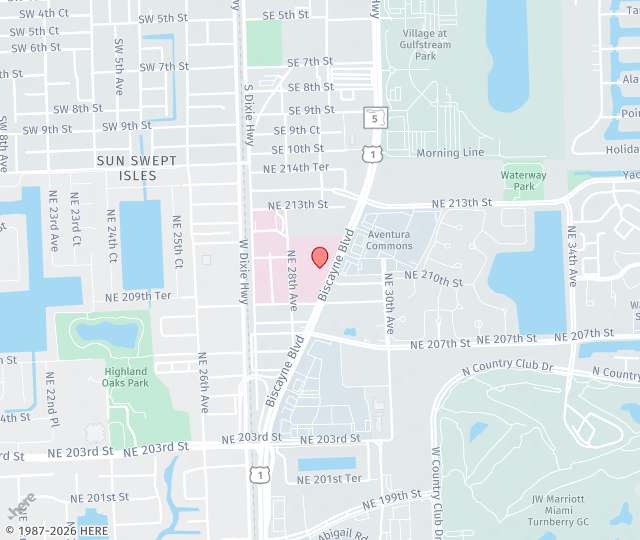
If you are seeking deep plane facelift surgery in Aventura, Miami, and throughout South Florida can schedule a personalized consultation with Dr. Baotram Tran.
REQUEST A CONSULTATION
Please use this form for general information purposes only. DO NOT send personal health information through this form. Specific patient care must be addressed during your appointment.
Please complete the following form to request an appointment. Please also note that availability will vary depending on your request. Your appointment will be confirmed by phone by a member of our staff. Thank you!