Selective Cheek Contouring for Appropriately Chosen Patients
A Round Face Is Not Always Caused by Buccal Fat
Fullness in the lower cheeks can make the face appear rounder or reduce the definition between the cheekbones and jawline.
For selected patients, a prominent buccal fat pad contributes significantly to this fullness.
However, buccal fat is only one component of facial shape.
A full lower face may also be influenced by:
- Facial bone structure
- Superficial facial fat
- Masseter muscle size
- Skin thickness
- Jowling
- Facial proportions
- Genetics
- Overall body weight
- The natural distribution of facial volume
For this reason, buccal fat removal should not be performed simply because a patient wants a thinner face.
Dr. Baotram Tran evaluates the entire facial structure before determining whether the buccal fat pad is actually contributing to unwanted lower-cheek fullness.
The objective is not to create the hollowest cheeks possible.
It is to selectively improve facial contour while preserving enough volume for the face to age naturally.
What Is Buccal Fat?
The buccal fat pad is a deep facial fat compartment located within the cheek.
A portion of the fat pad lies between structures of the midface and contributes to the volume of the lower cheek.
Its size varies considerably between individuals.
Some patients naturally have relatively prominent buccal fat pads, which can contribute to:
- Lower-cheek fullness
- A rounder facial appearance
- Less definition beneath the cheekbone
- A softer transition between the cheek and jawline
However, buccal fat is not the same as superficial facial fat, and it is not responsible for every full or round face.
What Is Buccal Fat Removal?
Buccal fat removal, also called buccal fat pad reduction or buccal lipectomy, is a surgical procedure that removes a selected portion of the buccal fat pad through an incision inside the mouth.
The procedure is designed to decrease fullness in the lower cheek and may create greater definition between the cheekbone and jawline in carefully selected patients.
The key word is selected.
Current literature on aesthetic buccal fat excision remains relatively limited, particularly regarding decades-long changes as the face naturally loses volume with age. (PubMed)
For that reason, Dr. Tran takes a conservative approach to determining who may benefit from the procedure.
What Can Buccal Fat Removal Improve?
In an appropriate candidate, buccal fat reduction may improve:
- Persistent fullness of the lower cheeks
- A disproportionately round lower face
- Limited definition beneath the cheekbones
- Facial fullness that remains despite stable body weight
- Selected right-to-left differences in buccal fullness
The procedure does not reliably correct:
- Jowls
- Loose facial skin
- A poorly defined neck
- A wide jaw caused by masseter muscles
- A broad facial skeleton
- Generalized facial fat
- Significant facial asymmetry caused by bone structure
- Age-related facial descent
Those concerns may require entirely different treatment.
Who Is a Good Candidate for Buccal Fat Removal?
A good candidate generally has persistent, disproportionate lower-cheek fullness that appears to arise substantially from the buccal fat compartment.
Potential candidates may have:
- Naturally full lower cheeks
- A relatively round facial shape
- Stable body weight
- Adequate facial volume elsewhere
- Good skin quality
- Realistic expectations
- Buccal fullness that remains after other causes of facial width are considered
A candidate should also understand that facial volume naturally decreases with age.
The question is not simply whether buccal fat can be removed.
The more important question is whether removing it is likely to improve the face both now and over time.
Who Should Be Cautious About Buccal Fat Removal?
Buccal fat removal may be inappropriate or require particular caution in patients who already have:
- A thin or narrow face
- Significant facial hollowing
- Limited midface volume
- Prominent cheek hollows
- Age-related facial volume loss
- Significant skin laxity
- Jowling
- A tendency toward a gaunt appearance
- Facial fullness caused primarily by another anatomical structure
Younger patients should also consider how the face may change over decades.
The natural aging process often involves progressive loss and redistribution of facial volume.
Removing too much deep facial fat at a young age may therefore become less desirable later.
Published reviews have specifically noted the lack of robust long-term follow-up and raised concern about possible late hollowing and distortion as facial volume decreases with aging. (PubMed)
Conservative Buccal Fat Reduction
More Removal Is Not Better
The goal of buccal fat surgery should not be to remove the entire fat pad.
The buccal fat pad has multiple extensions and contributes to normal facial volume.
In aesthetic surgery, only an appropriate portion should be reduced when indicated.
Excessive removal can potentially create:
- Overly hollow cheeks
- A gaunt appearance
- Excessive contrast between the cheekbone and lower face
- Prematurely aged facial contours
- Difficult-to-correct volume deficiency
Because lost facial volume may become increasingly noticeable with aging, restraint is particularly important with this operation.
Dr. Tran's goal is subtle contour improvement rather than dramatic hollowing.
Buccal Fat Removal and Facial Aging
What Will My Face Look Like Later?
This is one of the most important questions to consider before buccal fat surgery.
The face does not maintain the same volume throughout life.
As we age, facial fat compartments change, soft tissues descend, and skeletal support evolves.
A patient who has a full face at age 25 may naturally have significantly less facial volume decades later.
Unfortunately, high-quality long-term data following aesthetic buccal fat removal remain limited. A review of the available literature found that the published case series were small and lacked meaningful long-term follow-up regarding aging-related changes. (PubMed)
This uncertainty is one reason Dr. Tran recommends the procedure selectively.
The goal is to improve today's facial contour without unnecessarily compromising tomorrow's.
Buccal Fat Removal vs. Facial Weight Loss
Buccal fat is a deep facial fat compartment and does not necessarily change in the same way as superficial body fat.
Some people maintain prominent lower cheeks even when they are lean and at a stable weight.
However, if someone is actively losing weight or expects significant future weight loss, it may be reasonable to allow the face to stabilize before deciding whether surgical cheek reduction is still necessary.
Significant weight change can alter facial volume and potentially change whether buccal fat surgery would be beneficial.
Buccal Fat Removal vs. Facial Liposuction
Buccal fat removal and facial liposuction are not the same procedure.
Buccal Fat Removal
Targets a deep fat compartment inside the cheek.
Facial or Neck Liposuction
Targets more superficial fat in appropriate anatomical regions.
The correct treatment depends on where the fullness originates.
For example, fullness beneath the chin may be better addressed with Neck Contouring, while a patient with true lower-cheek buccal prominence may benefit from buccal fat reduction.
Buccal Fat Removal vs. Masseter Reduction
A Wide Lower Face Can Have Different Causes
Some patients who believe they have excessive cheek fat actually have a broad lower face because of prominent masseter muscles.
The masseter muscles lie along the jaw and can become naturally large or hypertrophied.
Buccal fat removal does not reduce the masseter muscles.
Likewise, masseter treatment does not remove deep cheek fat.
These conditions can occasionally coexist, but they should be evaluated separately.
The treatment should address the structure creating the facial width.
Buccal Fat Removal vs. Facial Bone Structure
Facial width is also heavily influenced by skeletal anatomy.
Prominent cheekbones, jaw width, chin shape, and the overall facial skeleton contribute substantially to whether a face appears round, square, narrow, or angular.
Removing buccal fat cannot change underlying bone structure.
For some patients, what they perceive as excessive cheek fullness is actually the normal relationship between their soft tissue and facial skeleton.
This is another reason facial analysis is essential before surgery.
Buccal Fat Removal and Jowls
Buccal fat removal does not treat jowls.
Jowls primarily develop because deeper facial tissues descend across the jawline with aging.
Removing additional cheek volume in someone whose main concern is jowling may actually make the surrounding facial aging more apparent.
Patients with meaningful facial descent may be better candidates for a Deep Plane Facelift, Endoscopic Facelift, or another procedure depending on their anatomy.
Buccal Fat Removal and Facial Fat Transfer
Removing Volume and Restoring Volume Are Opposite Decisions
Facial rejuvenation sometimes requires restoring volume rather than removing it.
Patients with hollow temples, deflated cheeks, or other true volume deficiency may benefit from Facial Fat Transfer.
This is very different from buccal fat reduction.
For this reason, Dr. Tran evaluates facial volume globally before removing any deep cheek fat.
A patient may have fullness in one region and deficiency in another.
Facial balance is more important than simply removing or adding fat.
Can Buccal Fat Removal Be Combined with Other Procedures?
Yes, when each procedure addresses a legitimate anatomical concern.
Potential combinations may include:
Neck Contouring
Patients who have lower-cheek fullness as well as submental or neck fullness may benefit from Neck Contouring when appropriate.
Rhinoplasty
Because nasal shape influences overall facial proportions, selected patients may combine buccal fat reduction with Rhinoplasty as part of a broader facial-balancing plan.
Chin Augmentation
For selected patients, limited chin projection may contribute more to a round facial appearance than cheek fullness alone.
Improving chin projection can sometimes create better facial definition without removing excessive cheek volume.
Facial Rejuvenation
Older patients with facial descent should be evaluated carefully before removing cheek volume.
When laxity rather than volume is the primary concern, a Deep Plane Facelift or other facial-rejuvenation approach may be more appropriate.
Your Consultation Experience
Is the Buccal Fat Pad Actually the Problem?
This is the most important part of the consultation.
During your evaluation, Dr. Baotram Tran considers:
- Overall facial shape
- Lower-cheek fullness
- Cheekbone prominence
- Jaw width
- Chin projection
- Masseter muscle size
- Superficial facial fat
- Buccal fat prominence
- Skin quality
- Facial volume
- Jowling
- Facial asymmetry
- Age
- Weight stability
- Expected future facial aging
- Your aesthetic goals
The goal is to determine whether removing buccal fat will actually improve your facial proportions.
In some patients, Dr. Tran may recommend not removing the buccal fat pad at all.
That is just as important a surgical decision as choosing to operate.
The Buccal Fat Removal Procedure
Buccal fat removal is generally performed as an outpatient procedure.
Depending on whether it is performed alone or with another operation, anesthesia may range from local anesthesia to a broader anesthetic plan.
A small incision is made inside the mouth along the inner cheek.
The buccal fat pad is carefully approached and an appropriate portion of fat is delivered through the incision.
Only the amount necessary to achieve the desired contour is removed.
The incision is then closed with absorbable sutures.
Because the incision is located inside the mouth, there is typically no external facial scar from the buccal fat procedure itself.
Why Anatomy Matters During Buccal Fat Removal
The buccal fat pad lies near important anatomical structures, including branches of the facial nerve, the parotid duct, and facial blood vessels.
Published reports of buccal fat removal complications have included salivary duct injury and significant bleeding, reinforcing the importance of precise anatomical knowledge and careful technique. (PubMed)
This is another reason the procedure should not be treated as a trivial or purely social-media cosmetic treatment.
Although the incision is small, the anatomy is not simple.
Buccal Fat Removal Before & After Photos
When evaluating buccal fat removal results, look for subtle improvement in facial contour rather than extreme cheek hollowing.
Consider:
- Lower-cheek fullness
- Cheekbone definition
- Facial symmetry
- Jawline relationship
- Overall facial proportions
- Whether the face continues to look natural
View Buccal Fat Removal Before & After Photos
Recovery After Buccal Fat Removal
What to Expect During Healing
Swelling after buccal fat removal can temporarily make the cheeks look fuller rather than thinner.
The result should therefore not be judged during the early postoperative period.
The First Week
Patients may experience:
- Cheek swelling
- Mild bruising
- Tightness
- Tenderness
- Temporary asymmetry related to swelling
Because the incision is inside the mouth, careful oral hygiene is important.
Patients may be instructed to:
- Use a prescribed or recommended mouth rinse
- Brush carefully around the surgical area
- Avoid trauma to the cheek
- Follow temporary dietary restrictions
- Sleep with the head elevated
One to Three Weeks
Swelling gradually decreases.
Most routine activities are resumed according to postoperative instructions.
The face may still appear somewhat full or asymmetric as swelling resolves.
One to Three Months
Cheek contours become increasingly defined.
The final effect often becomes more apparent gradually rather than immediately.
Several Months
Residual swelling continues to resolve and the facial contour settles.
How Long Do Buccal Fat Removal Results Last?
Fat that has been surgically removed does not simply regenerate in the same manner.
The contour change is therefore intended to be long-lasting.
However, the appearance of the face continues to change throughout life because of:
- Aging
- Weight changes
- Changes in superficial facial fat
- Skin laxity
- Facial tissue descent
- Skeletal aging
For this reason, the long-term appearance cannot be predicted solely by how the cheeks look immediately after surgery.
Investment
Every buccal fat removal procedure is individualized according to anatomy and whether additional procedures are performed.
| Procedure | Estimated Investment |
|---|---|
| Buccal Fat Removal | Starting at $4,500 |
| Buccal Fat Removal + Neck Contouring | Custom Quote |
| Buccal Fat Removal + Additional Facial Procedure | Custom Quote |
The final cost depends on surgical complexity, anesthesia, facility requirements, and whether other procedures are performed.
A personalized surgical plan and detailed fee quote will be provided following your consultation.
Buccal Fat Removal Myths and Misconceptions
Myth: Buccal Fat Removal Is Good for Anyone with a Round Face
No.
A round face may result from bone structure, superficial fat, masseter muscles, facial proportions, or several other factors.
Buccal fat reduction only addresses the buccal fat compartment.
Myth: More Buccal Fat Removal Creates Better Cheekbones
No.
Removing excessive buccal fat can create an overly hollow or gaunt appearance.
The objective should be subtle improvement in facial contour.
Myth: The Entire Buccal Fat Pad Should Be Removed
No.
Aesthetic buccal fat surgery generally involves reducing an appropriate portion of the fat pad rather than attempting to remove every component.
Myth: Buccal Fat Removal Automatically Gives You a Defined Jawline
No.
Jawline definition is influenced by facial descent, neck anatomy, chin projection, bone structure, muscle size, and superficial fat.
Patients primarily concerned about the jawline may need Neck Contouring, Deep Plane Facelift, or another treatment instead.
Myth: Buccal Fat Removal Is Risk-Free Because the Incision Is Inside the Mouth
No.
The buccal fat pad lies close to important structures, including the facial nerve, parotid duct, and blood vessels. Complications such as duct injury and significant bleeding have been reported. (PubMed)
Myth: Buccal Fat Removal Cannot Affect How My Face Ages
That is uncertain.
Long-term aesthetic evidence remains limited, and published reviews have raised concern that excessive removal may contribute to hollowing or an aged appearance as natural facial volume decreases. (PubMed)
Myth: Young Patients Do Not Need to Think About Future Aging
They do.
Because facial volume commonly decreases with age, the long-term consequences of removing deep facial fat should be part of the decision even in younger patients.
Myth: If I Regret Buccal Fat Removal, It Can Easily Be Reversed
No.
Removed fat cannot simply be replaced in its exact original anatomical compartment.
Volume restoration with Facial Fat Transfer or fillers may sometimes improve excessive hollowing, but these treatments do not truly reverse the original operation.
Myth: Buccal Fat Removal Treats Jowls
No.
Jowling results primarily from descent of facial tissues and requires a different anatomical approach.
Frequently Asked Questions About Buccal Fat Removal
What Is Buccal Fat Removal?
Buccal fat removal is surgery that removes a selected portion of the deep buccal fat pad through an incision inside the mouth to decrease lower-cheek fullness.
How Do I Know If I Have Large Buccal Fat Pads?
Lower-cheek fullness alone does not prove that the buccal fat pads are large.
Facial bone structure, superficial fat, masseter muscles, and other factors should be evaluated during consultation.
Will Buccal Fat Removal Make My Face Look Thinner?
It may reduce lower-cheek fullness in appropriately selected patients.
The degree of change depends on your anatomy and how much of your facial shape actually comes from the buccal fat compartment.
Will It Give Me High Cheekbones?
It does not change the cheekbone itself.
Reducing lower-cheek fullness may make existing cheekbone contours appear more defined in selected patients.
Will My Face Look Hollow?
The goal is to avoid excessive hollowing.
However, facial volume naturally decreases with age, and long-term data following aesthetic buccal fat removal remain limited. (PubMed)
This is why conservative removal and careful patient selection are important.
What Age Is Best for Buccal Fat Removal?
There is no ideal age.
Candidacy depends on facial anatomy, volume distribution, weight stability, and long-term considerations rather than a specific birthday.
Can Buccal Fat Removal Treat a Double Chin?
No.
A double chin generally involves submental anatomy rather than the buccal fat pad.
Patients with concerns beneath the chin can learn more about Neck Contouring.
Can Buccal Fat Removal Fix a Wide Jaw?
Not when the width comes primarily from bone or large masseter muscles.
The cause of facial width should be determined before choosing treatment.
Does Buccal Fat Removal Leave a Scar?
The incisions are typically placed inside the mouth, so there is generally no external facial scar from the procedure itself.
Is Buccal Fat Removal Painful?
The procedure is performed with anesthesia.
Patients generally experience swelling, tightness, and mild to moderate discomfort during early recovery.
How Long Is Recovery?
Many patients return to routine non-strenuous activities within several days to approximately one week.
Swelling continues to improve for several weeks, and the final contour develops gradually.
When Will I See My Final Result?
Early swelling can temporarily obscure the result.
Facial contour becomes more apparent over several weeks to months as swelling resolves.
Is Buccal Fat Removal Permanent?
The removed portion of fat is not expected to regenerate in the same way.
However, the face continues to change with aging and weight changes.
Can Buccal Fat Removal Be Combined with Neck Liposuction?
Yes, in selected patients when both lower-cheek and submental fullness are present.
Visit Neck Contouring for more information about treatment of the jawline and neck.
Can Buccal Fat Removal Be Combined with Rhinoplasty?
Yes, when both procedures address genuine facial-proportion concerns.
A Rhinoplasty may be incorporated into a broader facial-balancing plan for selected patients.
Can Buccal Fat Removal Be Combined with a Facelift?
Potentially, but older patients with facial volume loss should be evaluated particularly carefully before removing additional cheek volume.
Some patients are better served by tissue repositioning with a Deep Plane Facelift rather than volume removal.
What Are the Risks of Buccal Fat Removal?
Potential risks include bleeding, hematoma, infection, prolonged swelling, asymmetry, contour irregularity, excessive hollowing, injury to the parotid duct, facial nerve injury, injury to surrounding structures, unfavorable aesthetic changes, and possible need for additional treatment.
The proximity of the buccal fat pad to the parotid duct, facial nerve, and important blood vessels makes detailed anatomical knowledge important during surgery. (PubMed)
Individual risks, benefits, alternatives, and procedure-specific considerations will be discussed during consultation and informed consent.
Why Choose Dr. Baotram Tran?
Knowing When Not to Remove Buccal Fat Is Part of Good Facial Surgery
Buccal fat removal is technically a relatively focused procedure, but patient selection is more important than the size of the incision.
Removing deep cheek volume from the wrong face can create a result that becomes less attractive as the patient ages.
As a double board-certified plastic surgeon, Dr. Baotram Tran approaches buccal fat removal with an emphasis on:
- Comprehensive facial analysis
- Careful patient selection
- Identification of the actual cause of facial fullness
- Conservative buccal fat reduction
- Preservation of appropriate facial volume
- Evaluation of cheekbone and jaw proportions
- Recognition of masseter-related facial width
- Assessment of chin projection
- Consideration of future facial aging
- Attention to facial symmetry
- Avoidance of an excessively hollow or gaunt appearance
- Honest recommendations when buccal fat removal is unlikely to improve the face
- Selection of alternative treatments when another anatomical structure is the true concern
Not everyone who asks for buccal fat removal should undergo the procedure.
The goal is not to remove as much facial fat as possible.
It is to determine whether selective reduction will genuinely improve your facial proportions without unnecessarily sacrificing youthful facial volume.
Schedule Your Consultation
If persistent lower-cheek fullness makes your face appear rounder than you would like, the first step is determining whether the buccal fat pad is actually responsible.
During your consultation, Dr. Baotram Tran will evaluate your cheek volume, cheekbones, jaw width, masseter muscles, chin projection, skin quality, facial asymmetry, lower-face aging, and overall facial proportions.
Your individualized recommendation may include:
- Conservative Buccal Fat Removal
- No Surgical Treatment
- Neck Contouring
- Rhinoplasty
- Chin Enhancement
- Deep Plane Facelift
- Facial Fat Transfer
- Or another approach based on your anatomy
The most important question is not whether buccal fat can be removed.
It is whether removing it will make your face look better now and continue to make sense as your face ages.
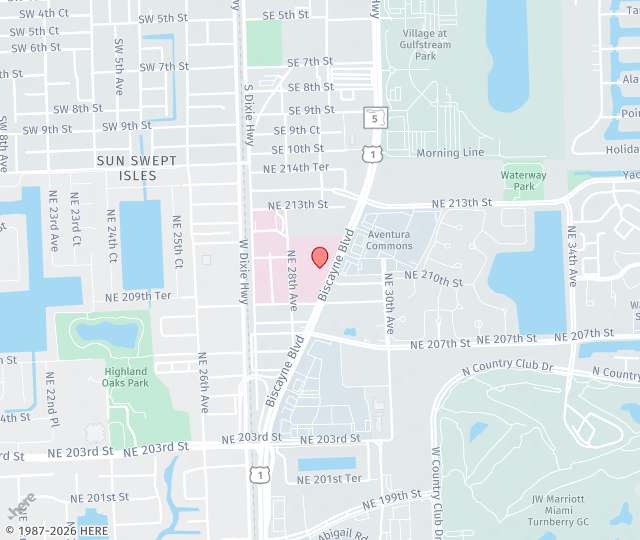
Schedule your consultation with Dr. Baotram Tran in Aventura to determine whether buccal fat reduction is appropriate for you.
REQUEST A CONSULTATION
Please use this form for general information purposes only. DO NOT send personal health information through this form. Specific patient care must be addressed during your appointment.
Please complete the following form to request an appointment. Please also note that availability will vary depending on your request. Your appointment will be confirmed by phone by a member of our staff. Thank you!