Reduce Enlarged Male Breast Tissue and Create a Flatter, More Masculine Chest Contour
Gynecomastia is the enlargement of male breast tissue.
It can affect one or both sides and may involve:
- Excess glandular breast tissue
- Excess chest fat
- Enlarged or puffy areolae
- Breast asymmetry
- Loose chest skin
- A combination of these changes
Some men experience tenderness or sensitivity. Others are primarily bothered by the appearance of the chest.
Gynecomastia can make men feel uncomfortable wearing fitted shirts, exercising, swimming, going to the beach, or removing their shirt in public.
Gynecomastia surgery, also known as male breast reduction, is designed to remove excess glandular tissue and fat while creating a flatter, firmer, and more masculine chest contour.
Dr. Baotram Tran individualizes treatment according to the amount of glandular tissue, fat distribution, skin quality, nipple and areola position, chest asymmetry, and overall body proportions.
The goal is not simply to make the chest smaller. It is to create a smooth, natural male chest contour while avoiding excessive tissue removal or an unnatural appearance.
What Is Gynecomastia?
Gynecomastia is enlargement of male breast tissue.
It may occur:
- During adolescence
- In adulthood
- With aging
- After weight changes
- In association with hormonal changes
- In association with certain medications or substances
- Without an identifiable cause
Gynecomastia may involve:
- Firm glandular tissue beneath the nipple
- Excess fatty tissue
- Enlarged areolae
- Excess skin
- Nipple or breast asymmetry
Some patients have a small amount of tissue concentrated beneath the nipple.
Others have more extensive chest enlargement involving both glandular tissue and fat.
Gynecomastia vs. Chest Fat
Not every enlarged male chest is caused by true gynecomastia.
True Gynecomastia
True gynecomastia contains glandular breast tissue, often located beneath or around the nipple-areola complex.
Pseudogynecomastia
Pseudogynecomastia refers primarily to excess fatty tissue without significant glandular enlargement.
Many patients have a combination of both.
This distinction matters because Liposuction can remove fatty tissue, but dense glandular tissue may require direct surgical excision.
What Causes Gynecomastia?
Gynecomastia can occur when the balance between hormonal signals affecting breast tissue changes.
Potential causes may include:
- Normal hormonal changes during puberty
- Aging
- Certain medications
- Anabolic steroid use
- Testosterone or hormone-related treatments
- Marijuana or other substances
- Liver disease
- Kidney disease
- Thyroid disorders
- Testicular disorders
- Obesity
- Significant weight changes
- Other medical conditions
In many adult men, no single cause is identified.
The presence of gynecomastia does not automatically mean that a hormonal disorder is present.
Does Gynecomastia Need a Medical Workup?
Sometimes.
Before surgery, Dr. Tran reviews:
- When the breast enlargement began
- Whether it affects one or both sides
- Whether it has changed recently
- Medications
- Supplements
- Hormone use
- Anabolic steroid use
- Recreational drug use
- Medical history
- Weight changes
- Breast tenderness
- Family history
Additional medical evaluation or laboratory testing may be recommended when the history or examination suggests an underlying cause.
The purpose is to identify potentially reversible or medically important causes before proceeding with cosmetic surgery.
When Should Male Breast Enlargement Be Evaluated Further?
Most gynecomastia is benign.
However, additional evaluation may be appropriate when there is:
- A new unilateral breast mass
- Rapidly changing breast enlargement
- A hard or irregular mass
- Nipple discharge
- Skin changes
- Nipple retraction
- Significant unexplained pain
- Enlarged lymph nodes
- Other concerning examination findings
Male breast cancer is uncommon, but suspicious findings should be evaluated before elective gynecomastia correction.
Can Medications Cause Gynecomastia?
Yes.
Certain medications and substances can contribute to breast enlargement in some men.
If a medication may be contributing, the prescribing physician should be involved before making any changes.
Patients should not stop prescribed medications on their own.
If a reversible cause is identified and corrected, breast enlargement may improve in some patients.
Longstanding glandular tissue may persist despite correcting the original trigger.
Gynecomastia and Anabolic Steroids
Anabolic steroids and certain hormone-related substances can contribute to gynecomastia.
Patients considering surgery should disclose:
- Current anabolic steroid use
- Previous anabolic steroid use
- Testosterone therapy
- Hormone supplements
- Bodybuilding supplements
Continuing a substance that contributed to gynecomastia may increase the possibility of recurrent breast tissue enlargement.
Gynecomastia During Puberty
Gynecomastia is relatively common during adolescence and may improve spontaneously as hormone levels stabilize.
For this reason, surgery is not automatically necessary when breast enlargement first develops during puberty.
Persistent gynecomastia may be considered for treatment when it remains after an appropriate period of observation and causes significant physical or emotional concern.
The timing of surgery in younger patients should be individualized.
Gynecomastia After Weight Loss
Weight loss can reduce fatty tissue in the chest, but glandular breast tissue may remain.
Patients may also develop:
- Loose chest skin
- Deflated breast tissue
- Enlarged areolae
- Chest skin folds
The surgical plan depends on whether the remaining problem is primarily:
- Glandular tissue
- Fat
- Loose skin
- Or a combination
Patients with extensive skin laxity after major weight loss may need a more comprehensive Post Weight Loss Surgery approach.
Who Is a Good Candidate for Gynecomastia Surgery?
You may be a candidate if you have:
- Persistent enlarged male breasts
- Firm tissue beneath the nipple
- Puffy or enlarged areolae
- Excess chest fat that does not adequately improve with weight loss
- Breast asymmetry
- Chest tenderness associated with gynecomastia
- Self-consciousness about your chest
- Stable or near-stable weight
- Realistic expectations
Good candidates should also:
- Be in appropriate health for elective surgery
- Avoid nicotine
- Have underlying medical causes evaluated when indicated
- Have reasonable skin elasticity
- Understand the possibility of scars and temporary sensory changes
Who May Need to Delay Surgery?
Surgery may need to be delayed if:
- An active medical cause has not been evaluated
- Significant additional weight loss is planned
- Weight is fluctuating substantially
- Nicotine is being used
- Anabolic steroid or other contributing substance use continues
- Medical conditions are not adequately controlled
- There are unexplained breast findings requiring further evaluation
The goal is to treat stable gynecomastia rather than operate while the underlying cause is still active.
How Is Gynecomastia Surgery Performed?
Gynecomastia surgery may involve:
- Liposuction
- Direct glandular excision
- A combination of liposuction and excision
- Skin removal in more severe cases
- Areola reduction or repositioning in selected patients
The technique depends on the anatomy.
ASPS recognizes liposuction, excision, and combination techniques as standard approaches depending on whether the enlargement is primarily fatty, glandular, or associated with excess skin. (American Society of Plastic Surgeons)
Liposuction for Gynecomastia
When excess fatty tissue is an important component of chest enlargement, Liposuction may be used to reduce chest volume and improve contour.
Small incisions are used to introduce a cannula beneath the skin.
Liposuction may be particularly useful for:
- Diffuse fatty fullness
- Lateral chest fat
- Contour blending
- Chest definition
However, liposuction alone may not adequately remove dense glandular tissue beneath the nipple.
Direct Excision of Glandular Tissue
Firm glandular tissue may require direct surgical removal.
A small incision is often placed along the border of the areola when appropriate.
Through this incision, dense glandular tissue can be removed.
Attention is given to leaving an appropriate layer of tissue beneath the nipple-areola complex.
Removing too much tissue can create a crater deformity or unnatural depression beneath the nipple.
The objective is controlled reduction rather than complete removal of every visible tissue layer.
Gynecomastia Surgery with Liposuction and Excision
Many patients benefit from a combination approach.
Liposuction can contour the surrounding chest and reduce fatty tissue.
Direct excision can remove firm glandular tissue that does not respond well to suction.
Using both techniques may help create a smoother transition between the:
- Central chest
- Nipple-areola complex
- Lateral chest
- Upper abdomen
The exact combination is determined by examination.
What Is a Puffy Nipple?
Some men have relatively little overall breast enlargement but have a prominent or puffy nipple-areola complex.
This is often caused by glandular tissue directly beneath the areola.
Patients may notice that the nipple:
- Projects through clothing
- Appears dome-shaped
- Looks enlarged even when the surrounding chest is lean
Direct glandular excision may be necessary when dense tissue is responsible for the projection.
Can Gynecomastia Surgery Reduce Areola Size?
Yes, in selected patients.
Severe gynecomastia can stretch the areola and make it appear disproportionately large.
If the areola remains enlarged after the underlying breast tissue is reduced, areola reduction may be considered.
The need depends on:
- Areola diameter
- Skin elasticity
- Degree of chest enlargement
- Nipple position
- Amount of excess skin
Not every gynecomastia patient needs areola reduction.
Can Gynecomastia Surgery Lift the Nipple?
Mild nipple descent may improve as chest volume decreases and the skin contracts.
More significant nipple descent may require:
- Skin excision
- Nipple repositioning
- More extensive chest reduction techniques
The scar pattern becomes more extensive as the amount of required skin removal increases.
Severe Gynecomastia with Loose Skin
Some men have significant breast enlargement with substantial skin excess.
This may occur after:
- Longstanding severe gynecomastia
- Major weight loss
- Aging
- Significant tissue stretching
In these cases, liposuction and glandular excision alone may leave loose skin.
Additional skin removal may be necessary.
The tradeoff is a longer scar in exchange for a flatter and more appropriately positioned chest.
Will I Have a Scar?
Yes.
All surgery creates scars.
The location and length depend on the technique used.
Possible incisions include:
- Small liposuction access scars
- An incision along part of the areola
- More extensive scars when significant skin must be removed
For many patients undergoing liposuction and glandular excision, incisions can be relatively limited.
However, scar length should be determined by the amount of correction required.
Will My Chest Look Completely Flat?
The goal is generally to create a flatter and more masculine chest contour.
However, a completely flat chest is not appropriate for every body type.
Normal male chest anatomy includes:
- Pectoralis muscle
- A thin layer of subcutaneous fat
- Nipple-areola tissue
- Natural right-to-left differences
Excessive tissue removal may create an unnatural contour.
The goal is a natural male chest—not an over-resected or hollow chest.
Can Gynecomastia Be Different on Each Side?
Yes.
Breast asymmetry is common.
One side may have:
- More glandular tissue
- More fat
- A larger areola
- Different nipple position
- More skin excess
Different amounts of tissue may therefore need to be removed from each side.
Perfect symmetry cannot be guaranteed.
The goal is improved balance rather than identical chest halves.
Will Removed Breast Tissue Be Sent to Pathology?
When glandular breast tissue is surgically excised, tissue may be submitted for pathologic examination according to the surgical plan and clinical findings.
Pathologic evaluation can confirm the nature of the removed tissue and identify unexpected abnormalities.
Liposuction aspirate is different from directly excised breast tissue and is handled according to the procedure performed.
Your Gynecomastia Consultation
During your consultation, Dr. Baotram Tran will evaluate:
- Amount of chest enlargement
- Glandular tissue
- Fat distribution
- Skin elasticity
- Nipple position
- Areola size
- Chest asymmetry
- Pectoralis muscle contour
- Lateral chest fullness
- Weight stability
- Previous weight loss
- Medical history
- Medications and supplements
- Hormone or anabolic steroid use
- Nicotine use
- Previous breast surgery
- Any breast symptoms requiring additional evaluation
Your treatment plan may include:
- Liposuction alone
- Direct glandular excision
- Liposuction plus glandular excision
- Areola reduction
- Skin removal in selected cases
- Liposuction
- Post Weight Loss Surgery
- Or another individualized male chest-contouring approach
The first step is determining whether the fullness comes from glandular tissue, fat, loose skin, or a combination of these structures.
The Gynecomastia Procedure
Gynecomastia surgery is commonly performed as an outpatient procedure.
Anesthesia depends on the extent of surgery and individual treatment plan.
Surgery may involve:
- Small liposuction incisions
- Removal of excess chest fat
- Direct removal of glandular tissue
- Contour blending
- Reduction of enlarged areolae when appropriate
- Skin removal in severe cases
Attention is given to:
- Chest symmetry
- Nipple position
- Areola shape
- Pectoralis definition
- Transition into the lateral chest
- Avoiding over-resection
- Avoiding contour irregularities
Patients generally return home after appropriate postoperative monitoring.
Will I Need Drains?
Not every gynecomastia procedure requires drains.
Drains may be considered when there is:
- Significant glandular excision
- Extensive dissection
- Skin removal
- A larger potential space beneath the chest skin
Drain use depends on the surgical technique and individual anatomy.
If drains are used, they are removed according to drainage output and healing rather than according to one fixed timeline.
Gynecomastia Before & After Photos
Before-and-after photographs can help demonstrate the range of changes possible with male breast reduction.
When reviewing results, consider:
- Starting amount of glandular tissue
- Amount of fat
- Skin elasticity
- Nipple and areola size
- Breast asymmetry
- Whether liposuction was performed
- Whether direct excision was necessary
- Whether skin removal was required
View Gynecomastia Before & After Photos
Recovery After Gynecomastia Surgery
Recovery depends on whether treatment involves liposuction alone, glandular excision, skin removal, or a combination.
The First Few Days
Patients may experience:
- Swelling
- Bruising
- Chest soreness
- Tightness
- Temporary numbness
- Mild drainage from incisions
- Temporary asymmetry from swelling
Light walking is encouraged.
One to Two Weeks
Bruising and discomfort generally improve.
Many patients return to routine non-strenuous work during this period depending on:
- Extent of surgery
- Type of work
- Individual healing
Swelling remains and can temporarily obscure the final chest contour.
Compression Garment
A compression vest or garment may be recommended during recovery.
Compression may help:
- Control swelling
- Support healing tissues
- Improve comfort
- Help the chest skin conform to the new contour
The type and duration of compression depend on the surgical procedure and individual healing.
Four to Six Weeks
Activity is gradually increased.
Heavy upper-body exercise, chest workouts, and strenuous lifting are resumed according to healing and postoperative instructions.
Several Months
Residual swelling continues to improve.
The chest softens and the contour becomes increasingly defined.
Scars continue to mature.
The chest should not be judged by its appearance during the first several postoperative weeks.
When Will I See My Final Result?
Improvement may be noticeable relatively early, but postoperative swelling can temporarily obscure the result.
Over the following weeks and months:
- Swelling decreases
- Skin contracts
- Chest contour becomes more defined
- Scar tissue softens
- Nipple and areola position settle
Final refinement can take several months.
Will Gynecomastia Come Back?
Surgically removed glandular tissue does not simply regenerate to its original volume in most patients.
However, recurrent enlargement can occur if an underlying contributing factor persists or develops.
Potential contributors include:
- Significant weight gain
- Hormonal changes
- Anabolic steroid use
- Certain medications or substances
- Other medical conditions
Maintaining stable weight and addressing known triggers may help preserve the result.
Gynecomastia Surgery Investment
Estimated Investment: $6,000–$10,000
The investment for gynecomastia surgery varies according to the amount and type of tissue that must be treated.
Factors that may affect your individualized investment include:
- Whether treatment requires liposuction alone
- Whether glandular tissue must be directly excised
- Amount of chest fat
- Degree of breast asymmetry
- Whether areola reduction is required
- Whether significant loose skin must be removed
- Surgical complexity
- Anesthesia and operating room requirements
A relatively limited case may fall toward the lower end of the range, while more extensive gynecomastia involving glandular excision, skin removal, or significant asymmetry may require a greater investment.
Following your consultation with Dr. Baotram Tran, you will receive a personalized surgical plan and detailed quote based on your anatomy and goals.
Financing options may be available for qualified patients.
Is Gynecomastia Surgery Covered by Insurance?
Gynecomastia surgery is often considered cosmetic and may not be covered by insurance.
Some insurance plans may consider treatment medically necessary under specific circumstances.
Coverage requirements may include factors such as:
- Persistent breast pain
- Documented glandular enlargement
- Duration of symptoms
- Failure of conservative treatment
- Medical evaluation
- Other plan-specific criteria
Coverage varies significantly between insurers and individual policies.
Patients should verify benefits directly with their insurance provider.
Gynecomastia Myths and Misconceptions
Myth: Gynecomastia Is Always Caused by Being Overweight
No.
Gynecomastia can involve true glandular breast tissue and can occur in men who are lean.
Myth: Losing Weight Will Always Get Rid of Gynecomastia
No.
Weight loss may reduce fatty tissue but cannot reliably eliminate persistent glandular tissue.
Myth: Gynecomastia Is Always a Hormone Problem
No.
Hormonal conditions can contribute, but many patients have no identifiable endocrine abnormality.
Myth: Liposuction Alone Can Treat Every Case
No.
Dense glandular tissue may require direct surgical excision.
Myth: All Breast Tissue Should Be Removed
No.
Overly aggressive removal can create a crater deformity or unnatural chest contour.
Myth: Gynecomastia Surgery Leaves No Scars
No.
Small scars are required for liposuction and glandular excision.
More severe cases requiring skin removal create longer scars.
Myth: Gynecomastia Surgery Guarantees Perfect Symmetry
No.
Natural chest anatomy is asymmetric.
Surgery can improve meaningful differences but cannot create perfectly identical sides.
Myth: Gynecomastia Always Comes Back
No.
Results can be long-lasting.
Recurrence is more likely when a contributing hormonal, medication, substance, or weight-related factor remains.
Myth: Gynecomastia Surgery Is Only Cosmetic
Not always.
Some men experience breast tenderness, discomfort, skin irritation, or significant psychological distress associated with breast enlargement.
Frequently Asked Questions About Gynecomastia Surgery
What Is Gynecomastia?
Gynecomastia is enlargement of male breast tissue that may involve glandular tissue, fat, excess skin, or a combination.
Is Gynecomastia Common?
Yes.
Male breast enlargement can occur at different ages and for many different reasons.
How Do I Know If I Have Gynecomastia or Just Chest Fat?
An examination helps determine whether the enlargement is primarily caused by glandular tissue, fatty tissue, or both.
Can Weight Loss Get Rid of Gynecomastia?
Weight loss may reduce chest fat.
Persistent glandular tissue may remain even in lean patients.
Can Exercise Get Rid of Gynecomastia?
Exercise can improve the pectoral muscles and reduce overall body fat but cannot reliably eliminate glandular breast tissue.
Does Gynecomastia Mean My Hormones Are Abnormal?
Not necessarily.
Some patients have an identifiable hormonal or medical cause, while many do not.
Will I Need Blood Tests?
Possibly.
Additional laboratory or medical evaluation may be recommended depending on your history and examination.
Can Medications Cause Gynecomastia?
Yes.
Certain medications and substances can contribute to breast enlargement.
Do not discontinue prescribed medication without discussing it with the prescribing physician.
Can Steroids Cause Gynecomastia?
Yes.
Anabolic steroid use can contribute to glandular breast enlargement in some men.
What Is Puffy Nipple Gynecomastia?
This refers to prominent areolae caused by tissue beneath the nipple-areola complex.
Dense glandular tissue may require direct excision.
Can Gynecomastia Affect Only One Side?
Yes.
Unilateral or asymmetric gynecomastia can occur.
New or unusual unilateral breast findings may require additional evaluation.
Is Liposuction Enough?
Sometimes.
If enlargement is primarily fatty, Liposuction may be sufficient.
When dense glandular tissue is present, direct excision may also be required.
Where Is the Incision?
For glandular excision, an incision is often placed along the edge of the areola.
Liposuction requires additional small access incisions.
More extensive skin removal creates longer scars.
Can My Areolas Be Made Smaller?
Yes, when areola enlargement is significant and reduction would improve chest proportions.
Will My Nipples Be Repositioned?
Usually not in mild to moderate cases.
More severe gynecomastia with significant skin excess and nipple descent may require repositioning.
Will My Chest Be Completely Flat?
The goal is a flatter, masculine chest while preserving natural anatomy.
Over-resection can create an unnatural result.
Will My Nipple Sensation Change?
Temporary numbness or altered sensation can occur.
Permanent changes are possible.
Will Tissue Be Sent to Pathology?
Excised glandular breast tissue may be submitted for pathologic examination according to the surgical plan and clinical findings.
Will I Need Drains?
Possibly.
Drain use depends on the amount of tissue removal and surgical technique.
How Long Is Recovery?
Many patients return to routine non-strenuous activities within approximately one to two weeks.
Heavy chest workouts and upper-body lifting require a longer recovery.
When Can I Work Out Again?
Walking begins early.
Upper-body exercise is gradually resumed after adequate healing and surgical clearance.
How Long Will I Wear Compression?
Compression may be recommended during early recovery.
The exact duration depends on the surgical technique and individual healing.
How Long Does Swelling Last?
Most swelling improves during the first several weeks, but residual swelling can continue for several months.
Is Gynecomastia Surgery Permanent?
Results are generally long-lasting, particularly when weight is stable and contributing causes are controlled.
Can Gynecomastia Return?
It can recur if significant weight gain, hormonal changes, anabolic steroids, medications, or other contributing factors affect the breast tissue again.
How Much Does Gynecomastia Surgery Cost?
The estimated investment for gynecomastia surgery is $6,000–$10,000.
The final investment depends on whether liposuction, glandular excision, skin removal, or other contouring is required.
What Are the Risks of Gynecomastia Surgery?
Potential risks include:
- Bleeding
- Hematoma
- Infection
- Seroma
- Delayed wound healing
- Poor wound healing
- Skin loss
- Nipple or areola tissue loss
- Fat necrosis
- Breast or chest asymmetry
- Contour irregularities
- Crater deformity
- Residual breast tissue
- Under-correction
- Over-correction
- Changes in nipple or chest sensation
- Permanent numbness
- Pigment changes
- Unfavorable scarring
- Persistent pain
- Need for revision surgery
- Blood clots
- Anesthesia-related complications
These are recognized risks of male breast reduction surgery, and individual risk varies according to health, anatomy, nicotine exposure, procedure extent, and other factors. (American Society of Plastic Surgeons)
Why Choose Dr. Baotram Tran?
Male Chest Contouring Requires More Than Simply Removing Breast Tissue
A natural male chest contour depends on the relationship between:
- Glandular breast tissue
- Chest fat
- Pectoralis muscle
- Nipple and areola position
- Skin elasticity
- Lateral chest contour
- Overall body proportions
Removing too little tissue can leave persistent fullness.
Removing too much can create visible depressions, contour irregularities, or an unnatural chest.
As a double board-certified plastic surgeon, Dr. Baotram Tran approaches gynecomastia surgery with attention to:
- Glandular tissue versus fat
- Chest asymmetry
- Pectoralis contour
- Nipple and areola size
- Puffy nipple correction
- Skin elasticity
- Lateral chest fullness
- Appropriate use of liposuction
- Direct glandular excision when necessary
- Avoidance of over-resection
- Preservation of natural chest contours
- Scar placement
- Evaluation of potential medical causes when appropriate
- Recognition of findings that require further breast evaluation before cosmetic surgery
The goal is not simply to remove breast tissue. It is to create a flatter, proportionate male chest that looks natural both in clothing and without a shirt.
Schedule Your Consultation
If persistent male breast enlargement, puffy nipples, chest asymmetry, or excess breast tissue makes you uncomfortable with the appearance of your chest, gynecomastia surgery may be an option.
During your consultation, Dr. Baotram Tran will evaluate your glandular tissue, chest fat, skin elasticity, nipple and areola position, asymmetry, medical history, medications, weight stability, and overall chest proportions.
Your individualized treatment plan may include:
- Gynecomastia Excision
- Chest Liposuction
- Combined Liposuction and Glandular Excision
- Puffy Nipple Correction
- Areola Reduction
- Skin Removal for Severe Gynecomastia
- Liposuction
- Post Weight Loss Surgery
- Or another individualized male chest-contouring approach
The appropriate treatment depends on whether the chest enlargement is caused by glandular tissue, fat, loose skin, or a combination of these factors.
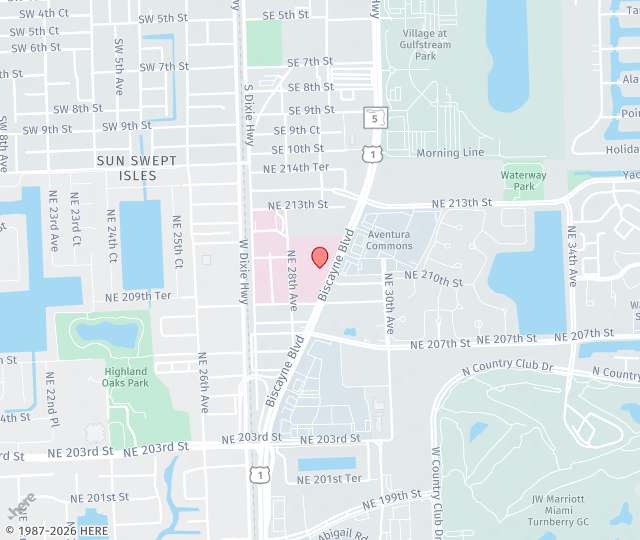
Schedule your consultation with Dr. Baotram Tran in Aventura to discuss your gynecomastia treatment options.
REQUEST A CONSULTATION
Please use this form for general information purposes only. DO NOT send personal health information through this form. Specific patient care must be addressed during your appointment.
Please complete the following form to request an appointment. Please also note that availability will vary depending on your request. Your appointment will be confirmed by phone by a member of our staff. Thank you!