Reshape, Lift, and Restore Breast Proportion Without Necessarily Adding an Implant
Breasts naturally change over time.
Pregnancy, breastfeeding, weight fluctuations, aging, genetics, and gravity can stretch the breast skin and supporting tissues, allowing the breast and nipple to descend.
Some women are happy with their breast volume but no longer like where their breasts sit or how they are shaped.
A breast lift, also known as mastopexy, reshapes and repositions the breast by removing excess skin, reorganizing the breast tissue, and repositioning the nipple and areola when appropriate.
A breast lift does not automatically require a breast implant.
For patients who already have adequate breast volume, a lift alone may create a more youthful, balanced breast using their own natural tissue.
Dr. Baotram Tran individualizes breast lift surgery according to breast size, degree of sagging, skin quality, nipple position, breast tissue distribution, asymmetry, and the patient's desired shape.
The goal is not simply to raise the nipple. It is to reshape the entire breast.
What Is a Breast Lift?
A breast lift, or mastopexy, is a surgical procedure designed to improve breast shape and position.
During surgery, excess skin is removed and the remaining breast tissue is reshaped to create a more lifted breast contour. The nipple and areola are repositioned when necessary, and an enlarged areola can also be reduced.
Breast lift surgery may improve:
- Breast sagging or ptosis
- Low nipple position
- Downward-pointing nipples
- Stretched breast skin
- Loss of breast shape after pregnancy
- Changes after breastfeeding
- Breast changes after weight loss
- Enlarged or stretched areolae
- Breast asymmetry
- Deflated breast shape
A breast lift changes shape and position more than volume.
If additional breast volume is desired, Breast Lift with Implants may be more appropriate.
What Causes Breasts to Sag?
Breast ptosis develops when the relationship between breast tissue and the surrounding skin envelope changes.
Common contributing factors include:
- Pregnancy
- Breastfeeding
- Weight loss
- Weight fluctuations
- Aging
- Genetics
- Skin elasticity
- Breast size
- Gravity
Larger and heavier breasts may place greater stress on the supporting tissues over time.
Pregnancy can stretch the breast skin and supporting structures even when a woman does not breastfeed.
Substantial weight loss may leave a relatively deflated breast within an enlarged skin envelope.
There is no single cause and no single pattern of breast aging.
What Is Breast Ptosis?
Breast ptosis is the medical term for breast sagging.
The degree of ptosis is assessed partly by the relationship between the nipple, breast tissue, and inframammary fold beneath the breast.
Some women have mild nipple descent but good breast volume.
Others have significant breast tissue below the fold, downward-facing nipples, or a large amount of loose skin.
There is also a condition called pseudoptosis, in which much of the breast tissue descends below the fold while the nipple itself remains relatively well positioned.
These differences matter because they influence the type of breast lift required.
The operation should be designed around the pattern of breast descent—not simply the patient's age or breast size.
What Can a Breast Lift Accomplish?
A breast lift can:
- Raise the breast on the chest
- Reposition a low nipple and areola
- Reshape elongated or flattened breasts
- Remove excess stretched skin
- Reduce an enlarged areola when appropriate
- Improve breast firmness and contour
- Improve breast symmetry
- Recreate a more youthful breast shape
A lift can often make the breasts appear more compact and projected even without adding volume.
However, a breast lift cannot create unlimited upper-pole fullness from tissue that is not present.
If substantially more volume is desired, an implant or selected fat grafting may be considered.
Breast Lift Without Implants
You Do Not Need an Implant Just Because You Need a Lift
Many women assume that a breast lift must be combined with breast implants.
It does not.
If you are satisfied with your current breast volume but dislike sagging, nipple position, or breast shape, a breast lift without implants may be an excellent option.
Your existing breast tissue is reshaped and repositioned to create the new breast contour.
Potential advantages include:
- No breast implant
- No implant-related maintenance
- No implant rupture
- No capsular contracture
- No future implant exchange solely because of an implant problem
- A breast composed entirely of your own natural tissue
The tradeoff is that a lift alone cannot create the same volume increase that an implant can provide.
Breast Lift vs. Breast Augmentation
Breast lift and breast augmentation address different problems.
Breast Lift
Primarily changes:
- Breast position
- Nipple position
- Breast shape
- Skin envelope
- Degree of sagging
Breast Augmentation
Primarily changes:
- Breast volume
- Projection
- Fullness
- Size
A Breast Augmentation can fill a deflated breast, but an implant alone cannot reliably correct significant ptosis.
Likewise, a breast lift can improve shape dramatically but does not provide the same volume increase as an implant.
The correct procedure depends on whether your primary concern is:
Volume, sagging, or both.
Do I Need a Breast Lift or Breast Implants?
A simple way to think about the difference is:
You may need primarily a breast augmentation if:
- Your breasts are smaller than you would like
- You have lost volume
- Your nipple position remains appropriate
- You have relatively limited loose skin
- Your primary goal is increased fullness
You may need primarily a breast lift if:
- You are satisfied with your breast volume
- Your nipples have descended
- Your breast tissue has sagged
- You have significant loose skin
- Your primary goal is improved shape and position
You may need both if:
- Your breasts have sagged
- You have lost breast volume
- You want greater upper-pole fullness
- You want to be larger in addition to being lifted
Patients who need both procedures can learn more about Breast Lift with Implants.
Breast Lift with Implants
A breast lift can be combined with breast augmentation when a patient wants both lifting and additional volume.
The breast lift reshapes the breast and removes excess skin.
The implant adds volume and can increase projection and upper-pole fullness.
Combining the two procedures requires careful planning because the operations create competing forces: the implant increases breast volume while the lift reduces and reshapes the skin envelope.
Appropriate patient selection, implant selection, tissue quality, and surgical planning are therefore particularly important.
Patients considering both procedures can learn more about Breast Lift with Implants.
Can a Breast Lift Create Upper-Pole Fullness Without Implants?
A breast lift can reposition existing breast tissue and improve the overall shape of the upper breast.
In selected patients, the breast tissue itself can be reorganized to create greater projection or upper-pole support.
This is sometimes referred to as auto-augmentation mastopexy because the patient's own breast tissue is used to help shape the lifted breast.
However, the amount of upper-pole fullness that can be created depends on how much breast tissue is available.
A patient with significant deflation and limited remaining breast volume cannot achieve the same degree of fullness from a lift alone as she could with an implant.
Your existing tissue determines what can realistically be created without adding volume.
Breast Lift with Fat Transfer
Selected patients who want a modest increase in fullness without breast implants may be candidates for fat grafting at the time of a breast lift.
Fat is removed from another area of the body using liposuction, processed, and carefully transferred to selected areas of the breast.
Fat transfer may help improve:
- Upper-pole fullness
- Breast contour
- Selected asymmetry
- Localized volume deficiency
Fat transfer cannot provide the same predictable volume increase as a breast implant, and not all transferred fat survives permanently.
However, for carefully selected patients, Fat Transfer to the Breast may complement a breast lift while maintaining an implant-free approach.
Breast Lift Incision and Scar Patterns
The Scar Is Determined by How Much Reshaping Is Required
All breast lifts create scars.
The appropriate scar pattern depends on:
- Degree of breast sagging
- Amount of excess skin
- Breast size
- Nipple position
- Skin quality
- Breast shape
- Amount of reshaping required
Trying to use a smaller scar than the anatomy requires can compromise breast shape.
The goal is not simply the shortest scar. It is the best breast shape with the least amount of scar necessary to achieve it.
Periareolar Breast Lift
The “Donut” Lift
A periareolar breast lift places the incision around the circumference of the areola.
This approach may be appropriate for selected patients who require relatively limited lifting or areolar adjustment.
Its ability to correct significant breast sagging is limited.
Trying to achieve too much lift through a periareolar incision can potentially flatten the breast or place excessive tension around the areola.
Vertical Breast Lift
The “Lollipop” Lift
A vertical breast lift uses an incision around the areola with an additional vertical incision extending from the lower edge of the areola toward the breast fold.
This pattern is commonly called a lollipop scar.
The vertical approach provides greater ability to reshape the breast than a periareolar lift and can be appropriate for many patients with moderate breast ptosis.
It allows the breast envelope to be tightened while the internal breast tissue is reshaped.
Anchor Breast Lift
The Inverted-T Lift
An anchor or inverted-T breast lift uses:
- An incision around the areola
- A vertical incision toward the breast fold
- An additional incision along the inframammary fold
This approach provides the greatest ability to remove excess skin and reshape significantly sagging breasts.
It is often appropriate for patients with:
- Significant breast ptosis
- Large amounts of excess skin
- Larger breasts
- Major changes after pregnancy
- Significant changes after weight loss
Although the scar is longer, the additional incision allows more complete control of the breast envelope.
A longer scar can sometimes produce a substantially better breast shape than forcing significant ptosis into an inadequate short-scar technique.
Crescent Breast Lift
A crescent lift removes a small crescent of skin near the upper border of the areola.
Its lifting capability is very limited.
It may occasionally be useful for small adjustments in carefully selected patients but should not be considered a substitute for a true mastopexy when meaningful breast sagging is present.
Will My Breast Lift Scars Fade?
Breast lift scars are permanent, but they generally change considerably with time.
Early scars may appear:
- Pink
- Red
- Firm
- Raised
- More noticeable than expected
Over the following months, scars typically soften and fade.
Final scar appearance depends on:
- Genetics
- Skin type
- Scar biology
- Incision tension
- Wound healing
- Nicotine exposure
- Sun exposure
- Postoperative scar care
Some patients naturally form more noticeable scars than others.
Scar management recommendations will be individualized during recovery.
Can a Breast Lift Correct Asymmetry?
Breast asymmetry is extremely common.
Differences may involve:
- Breast volume
- Breast shape
- Nipple height
- Areola size
- Breast width
- Breast-fold position
- Chest wall anatomy
- Degree of ptosis
A breast lift can often significantly improve asymmetry by adjusting the skin envelope, nipple position, areola, and breast tissue.
However, no operation can guarantee perfectly identical breasts.
Some asymmetry may originate from the chest wall or skeletal anatomy and remain after surgery.
The goal is improved balance—not perfect mirror-image symmetry.
Breast Lift After Pregnancy and Breastfeeding
Pregnancy can significantly alter breast volume and skin elasticity.
Some women develop:
- Breast deflation
- Loose skin
- Lower nipple position
- Enlarged areolae
- Asymmetry
- Loss of upper-pole fullness
If adequate breast volume remains, a breast lift alone may restore a more youthful shape.
If significant volume has also been lost, Breast Lift with Implants or selected Fat Transfer to the Breast may be considered.
For women planning another pregnancy in the near future, it may be reasonable to postpone surgery because pregnancy can stretch the breast again and alter the result.
Breast Lift After Major Weight Loss
Substantial weight loss can leave the breast with:
- Significant loose skin
- Deflation
- Loss of upper-pole volume
- Low nipple position
- An elongated breast shape
- Loss of projection
These patients may require more extensive skin removal and reshaping than patients with mild age-related breast ptosis.
Some patients have enough remaining breast tissue to create an attractive breast without implants.
Others may benefit from additional volume.
The surgical plan depends on the amount and distribution of remaining tissue.
Breast Lift and Breast Reduction
Breast lift and Breast Reduction share some surgical principles but have different primary goals.
A breast lift primarily reshapes and repositions the breast while preserving most of its volume.
A breast reduction removes a more substantial amount of breast tissue to decrease breast size while simultaneously lifting and reshaping the breast.
If your breasts feel too large, heavy, or symptomatic, a breast reduction may be more appropriate than mastopexy alone.
Can a Breast Lift Reduce Areola Size?
Yes.
The areola may enlarge as the breast stretches over time.
During mastopexy, the areola can be reduced when appropriate and repositioned as part of the breast reshaping.
The goal is to create an areolar size and position that are proportional to the newly shaped breast.
What Happens to the Nipple During a Breast Lift?
In most cosmetic breast lifts, the nipple and areola remain attached to underlying breast tissue and blood supply while being repositioned higher on the breast.
The nipple is not simply removed and replaced.
Preserving reliable blood supply and sensation is an important part of surgical planning.
Very large or severely ptotic breasts may require different considerations depending on the anatomy.
Can I Breastfeed After a Breast Lift?
Some women are able to breastfeed after mastopexy, but the ability to breastfeed cannot be guaranteed.
Breastfeeding ability depends on many factors, including:
- Pre-existing breast anatomy
- Milk-producing tissue
- Previous pregnancies
- Surgical technique
- Amount of tissue manipulation
- Individual physiology
If future breastfeeding is important to you, discuss this during consultation.
Will a Breast Lift Change Nipple Sensation?
Temporary changes in breast or nipple sensation can occur after breast lift surgery.
Sensation may become:
- Reduced
- Increased
- Altered
- Temporarily absent
Sensation often improves as healing progresses, but permanent changes are possible.
Your Breast Lift Consultation
During your consultation, Dr. Baotram Tran will evaluate:
- Breast size
- Breast shape
- Degree of ptosis
- Nipple position
- Areola size
- Breast width
- Existing breast volume
- Skin quality
- Skin elasticity
- Breast asymmetry
- Inframammary fold position
- Chest wall anatomy
- Previous breast surgery
- Pregnancy and breastfeeding history
- Weight stability
- Your desired breast shape
- Whether you want additional volume
Your surgical plan will determine:
- Whether a lift alone is appropriate
- The optimal scar pattern
- How the breast tissue will be reshaped
- Whether areolar reduction is appropriate
- Whether an implant is needed or desired
- Whether fat grafting may be beneficial
- Whether breast reduction would better meet your goals
The objective is to choose the operation that addresses the actual problem rather than automatically combining a breast lift with an implant.
The Breast Lift Procedure
Breast lift surgery is generally performed as an outpatient procedure under anesthesia.
Preoperative markings are made while you are upright to define the planned breast shape, nipple position, and skin removal.
During surgery, excess skin is removed according to the selected pattern.
The breast tissue is reshaped and repositioned, and the nipple-areola complex is moved to a more appropriate position while maintaining its attachment to underlying tissue in standard mastopexy techniques.
An enlarged areola may be reduced when appropriate.
The skin is then carefully redraped around the reshaped breast.
Attention is given to:
- Breast projection
- Upper and lower breast proportions
- Nipple position
- Areolar size
- Breast symmetry
- Inframammary fold
- Skin tension
- Scar placement
The operation is designed to reshape the breast from the inside—not simply tighten the skin around it.
Breast Lift Before & After Photos
Before-and-after photographs can help demonstrate how different degrees of breast ptosis respond to surgery.
When reviewing breast lift results, consider:
- Starting breast size
- Degree of sagging
- Nipple position
- Breast shape
- Skin quality
- Amount of existing breast tissue
- Scar pattern
- Whether an implant was used
A breast lift without implants should be compared with other breast lifts without implants, because augmentation changes breast volume and upper-pole fullness.
View Breast Lift Without Implants Before & After Photos
Recovery After Breast Lift Surgery
The First Few Days
Swelling, bruising, tightness, and soreness are expected.
Light walking is encouraged soon after surgery.
A surgical or supportive bra may be recommended.
The First One to Two Weeks
Many patients gradually return to routine non-strenuous activities.
Bruising typically improves, although swelling remains.
The breasts may initially appear:
- High
- Firm
- Swollen
- Uneven
These early changes do not represent the final result.
Four to Six Weeks
Activity is gradually increased according to healing and postoperative instructions.
Strenuous exercise, heavy lifting, and activities that place excessive tension on the breasts are restricted during early healing.
Several Months
The breasts continue to soften and settle.
Scars mature gradually and breast shape becomes increasingly natural.
Scar maturation continues beyond the point when swelling has resolved.
The appearance of the breasts during the first few weeks should not be judged as the final result.
How Long Does a Breast Lift Last?
A breast lift can provide long-lasting improvement, but it cannot stop aging.
The breasts will continue to change with:
- Aging
- Gravity
- Pregnancy
- Weight changes
- Hormonal changes
- Skin elasticity
- Breast size
Maintaining a stable weight can help preserve the result.
Larger and heavier breasts may experience recurrent descent sooner than smaller breasts because of the greater weight placed on the supporting tissues.
There is no specific expiration date for a breast lift.
Breast Lift Investment
Estimated Investment: $9,000–$12,000
The investment for a breast lift, or mastopexy, varies depending on the degree of breast sagging, the amount of excess skin, breast size and shape, nipple position, and the complexity of the surgical correction.
Your investment may vary based on:
- Degree of breast ptosis or sagging
- Amount of excess skin
- Breast size and existing breast tissue
- Degree of breast asymmetry
- Nipple and areola position
- Incision pattern required
- Whether areola reduction is performed
- Previous breast surgery
- Anesthesia requirements
- Operating room or facility fees
- Whether the breast lift is combined with another breast procedure
A breast lift reshapes and elevates the existing breast tissue but does not significantly increase breast volume. Patients who desire both lifting and additional upper-pole fullness or breast volume may be better candidates for a Breast Lift with Implants.
Patients with adequate breast tissue who primarily want improved shape and nipple position may achieve their goals with a breast lift alone.
Following your consultation with Dr. Baotram Tran, you will receive an individualized surgical plan and detailed quote.
What Is Included in the Breast Lift Investment?
Your surgical quote will outline the fees associated with your procedure, which may include:
- Surgeon’s fee
- Anesthesia
- Operating room or facility fees
- Routine postoperative visits
- Postoperative surgical garments when applicable
Because the extent of breast lifting and reshaping varies considerably between patients, the final investment is determined after your consultation.
Breast Lift Myths and Misconceptions
Myth: Every Breast Lift Needs an Implant
No.
Many women have enough natural breast tissue to create an attractive breast shape with mastopexy alone.
An implant is added when additional volume or fullness is desired.
Myth: A Breast Lift Makes the Breasts Significantly Smaller
Not necessarily.
Skin is removed, and some patients perceive the breast as somewhat smaller because the tissue becomes more compact.
However, mastopexy is primarily a reshaping procedure rather than a breast-reduction procedure.
Myth: An Implant Can Replace a Breast Lift
Not when significant breast ptosis is present.
An implant adds volume but does not reliably reposition a significantly descended breast or nipple.
Myth: A Breast Lift Can Give Me the Same Upper-Pole Fullness as an Implant
Not always.
Existing breast tissue can be reshaped and repositioned, but the amount of available tissue limits the fullness that can be created without adding volume.
Myth: A Donut Lift Is Better Because It Has Less Scarring
Not necessarily.
A periareolar lift provides limited correction.
When greater lifting and reshaping are necessary, a vertical or anchor pattern may produce a better breast shape.
Myth: An Anchor Scar Means Something Went Wrong
No.
An anchor pattern is intentionally selected when significant skin removal and reshaping are required.
The scar pattern should match the anatomy.
Myth: Breast Lift Scars Disappear Completely
No.
All surgical incisions create permanent scars.
They generally fade and become less noticeable with time, but they do not disappear.
Myth: My Breasts Will Be Perfectly Symmetrical After a Lift
No.
Breast asymmetry is normal.
Surgery can improve asymmetry but cannot guarantee perfectly identical breasts.
Myth: Breast Lift Results Are Permanent
The structural improvement is long-lasting, but breasts continue to age and may change with pregnancy, weight fluctuations, and gravity.
Myth: I Cannot Breastfeed After a Breast Lift
Not necessarily.
Some women can breastfeed after mastopexy, but future breastfeeding ability cannot be guaranteed.
Frequently Asked Questions About Breast Lift Surgery
What Is a Breast Lift?
A breast lift, or mastopexy, removes excess skin and reshapes the breast tissue to raise and improve the contour of a sagging breast.
How Do I Know If I Need a Breast Lift?
Low nipple position, significant loose skin, elongated breast shape, and breast tissue that has descended below the breast fold may indicate that a lift is needed.
A consultation is the best way to determine whether augmentation, mastopexy, or both will best address your anatomy.
Can I Get a Breast Lift Without Implants?
Yes.
A breast lift without implants is an excellent option for many women who are satisfied with their breast volume but want improved shape and position.
Will a Breast Lift Make My Breasts Fuller?
It can make the breast appear more compact, projected, and better shaped by repositioning existing tissue.
However, it does not add new breast volume.
Will I Have Upper-Pole Fullness Without Implants?
Some upper-pole improvement can be created by reshaping existing breast tissue.
The degree of fullness depends on how much natural breast tissue you have.
Do I Need a Breast Lift or Breast Augmentation?
If your main concern is insufficient volume with relatively good nipple position, Breast Augmentation may be appropriate.
If your primary concern is sagging or low nipple position, a breast lift may be more appropriate.
If both problems are present, Breast Lift with Implants may be considered.
What Is an Auto-Augmentation Breast Lift?
Auto-augmentation mastopexy uses the patient's existing breast tissue to help reshape and support the lifted breast rather than relying on an implant for additional projection.
Not every patient has enough tissue for this approach.
Can Fat Be Added During a Breast Lift?
Yes, in selected patients.
Fat Transfer to the Breast can provide modest additional volume or help refine specific areas of the breast.
What Kind of Scar Will I Have?
The scar depends on the degree of lifting and skin removal required.
Possible patterns include:
- Periareolar
- Vertical or lollipop
- Anchor or inverted-T
The appropriate pattern is determined by your anatomy.
Can I Choose a Lollipop Scar Instead of an Anchor Scar?
Not always.
If the breast has too much excess skin for a vertical technique, attempting to avoid the horizontal scar may compromise the breast shape.
The scar pattern should provide enough access and skin removal to achieve the desired correction.
Can My Areola Be Made Smaller?
Yes.
An enlarged areola can be reduced during breast lift surgery when appropriate.
Can a Breast Lift Correct Uneven Breasts?
It can often improve asymmetry by adjusting nipple position, skin envelope, and breast shape.
Some natural asymmetry may remain.
Will I Lose Nipple Sensation?
Temporary changes in sensation are possible and often improve with healing.
Permanent reduction or loss of nipple sensation can occur.
Can I Breastfeed After a Breast Lift?
Some patients can, but breastfeeding ability cannot be guaranteed after surgery.
If future breastfeeding is important, discuss this during your consultation.
Should I Wait Until After Pregnancy?
If pregnancy is planned in the near future, postponing surgery may be reasonable because pregnancy can stretch the breast again and alter the result.
A breast lift does not prevent future pregnancy.
How Long Is Breast Lift Recovery?
Many patients return to non-strenuous daily activities within approximately one to two weeks.
Exercise and heavier activity are resumed gradually according to healing and postoperative instructions.
When Will My Breasts Look Normal?
Swelling improves over several weeks.
The breasts continue to soften and settle over several months, while scars continue to mature longer.
How Long Will My Breast Lift Last?
Results can be long-lasting, but breasts continue to change with aging, gravity, pregnancy, and weight fluctuations.
What Are the Risks of Breast Lift Surgery?
Potential risks include:
- Bleeding
- Hematoma
- Infection
- Seroma
- Delayed wound healing
- Skin loss
- Fat necrosis
- Partial or complete nipple-areola tissue loss
- Changes in nipple or breast sensation
- Breast asymmetry
- Contour irregularity
- Unfavorable scarring
- Recurrent breast sagging
- Difficulty breastfeeding
- Need for revision surgery
- Anesthesia-related complications
- Blood clots and other medical complications
Individual risks vary according to anatomy, health, procedure, and surgical plan.
The risks, benefits, alternatives, expected scars, and procedure-specific considerations will be discussed during consultation and informed consent.
Why Choose Dr. Baotram Tran?
A Breast Lift Is a Breast-Shaping Operation
Mastopexy involves much more than removing loose skin.
The position and distribution of the existing breast tissue, nipple position, skin envelope, breast fold, and chest anatomy all contribute to the final result.
As a double board-certified plastic surgeon, Dr. Baotram Tran approaches breast lift surgery with attention to:
- Individual breast anatomy
- Degree and pattern of breast ptosis
- Breast tissue distribution
- Nipple and areola position
- Breast projection
- Skin quality and elasticity
- Breast symmetry
- Appropriate scar-pattern selection
- Reshaping of the patient's natural breast tissue
- Preservation of appropriate breast volume
- Areolar reduction when indicated
- Auto-augmentation techniques in selected patients
- Fat grafting when appropriate
- Recognition of when an implant is beneficial
- Recognition of when an implant is unnecessary
- Long-term breast proportions and tissue support
The objective is not simply to move the nipple higher or tighten the skin.
It is to create a lifted breast whose shape, projection, nipple position, and proportions work together naturally.
Schedule Your Consultation
If your breasts have changed after pregnancy, breastfeeding, weight loss, or aging, a breast lift may restore a more elevated and balanced breast shape.
During your consultation, Dr. Baotram Tran will evaluate your breast volume, degree of sagging, nipple position, skin quality, breast tissue, asymmetry, chest anatomy, and aesthetic goals.
Your individualized surgical plan may include:
- Breast Lift Without Implants
- Vertical or Lollipop Breast Lift
- Anchor Breast Lift
- Periareolar Breast Lift
- Auto-Augmentation Breast Lift
- Fat Transfer to the Breast
- Breast Augmentation
- Breast Lift with Implants
- Breast Reduction
- Or a combination of techniques based on your anatomy
A breast implant is not automatically necessary to create a beautiful lifted breast.
The appropriate operation depends on how much breast tissue you already have, where that tissue sits, and the breast shape you would like to achieve.
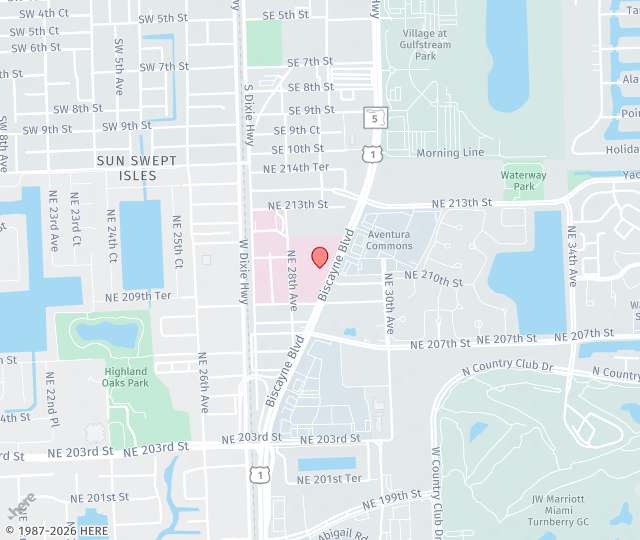
Schedule your consultation with Dr. Baotram Tran in Aventura to discuss your breast lift options.
REQUEST A CONSULTATION
Please use this form for general information purposes only. DO NOT send personal health information through this form. Specific patient care must be addressed during your appointment.Please complete the following form to request an appointment. Please also note that availability will vary depending on your request. Your appointment will be confirmed by phone by a member of our staff. Thank you!