Surgical Removal of Common Skin and Soft-Tissue Lesions with Attention to Scar Placement and Cosmetic Outcome
Cysts, moles, lipomas, keloids, and skin tags are common skin and soft-tissue conditions.
Some are removed because they cause:
- Pain or tenderness
- Recurrent irritation
- Inflammation
- Drainage
- Difficulty with clothing or jewelry
- Progressive enlargement
- Discomfort with exercise or movement
Others may simply be bothersome because of their appearance or location.
As a plastic surgeon, Dr. Baotram Tran approaches removal with attention not only to the lesion itself, but also to:
- Incision placement
- Skin tension
- Surrounding anatomy
- Scar orientation
- Closure technique
- Preservation of normal tissue
- Final cosmetic appearance
Any procedure that cuts the skin will leave a scar. The goal is to remove the lesion appropriately while placing and closing the incision in a way that helps create the most favorable scar possible.
What Types of Skin and Soft-Tissue Lesions Can Be Removed?
Dr. Tran evaluates and treats many common benign-appearing skin and soft-tissue lesions, including:
- Cysts
- Moles
- Lipomas
- Skin tags
- Keloids
- Hypertrophic scars
- Other selected superficial skin lesions
The appropriate treatment depends on the diagnosis, location, size, depth, symptoms, and whether there are any concerning features.
Cyst Removal
Skin cysts are common and can occur almost anywhere on the body.
They may appear as:
- A small lump beneath the skin
- A slowly enlarging bump
- A visible pore or opening
- A tender or inflamed area
- A lesion that intermittently drains
- A recurrent lump in the same location
Some cysts remain small and asymptomatic for years.
Others become repeatedly inflamed, infected, painful, or cosmetically bothersome.
What Is a Skin Cyst?
Many commonly encountered skin cysts are epidermal inclusion cysts, sometimes referred to as epidermoid cysts.
These lesions contain keratin and are surrounded by a cyst wall or capsule.
Although patients sometimes refer to them as “sebaceous cysts,” many of these lesions do not actually arise from sebaceous glands.
How Is a Cyst Removed?
When appropriate, cyst removal involves creating an incision and removing the cyst along with its wall.
Removing the cyst contents alone may temporarily decrease the size of the lesion, but the cyst can recur if the cyst wall remains.
Whenever possible, the goal is to remove the cyst completely while minimizing unnecessary disruption of the surrounding tissue.
Can a Cyst Come Back After Removal?
Yes.
Recurrence is possible, particularly if:
- The cyst wall cannot be completely removed
- The cyst has ruptured
- There has been significant previous inflammation
- There is extensive scar tissue
- The lesion was previously drained rather than excised
Complete excision generally provides the best opportunity for definitive treatment, but recurrence can never be completely eliminated.
Can an Inflamed or Infected Cyst Be Removed Immediately?
Not always.
A severely inflamed or infected cyst can be more difficult to remove completely because the cyst wall may become fragile and difficult to separate from surrounding tissue.
Depending on the situation, initial treatment may involve:
- Observation
- Antibiotics when clinically appropriate
- Incision and drainage
- Treatment of the acute inflammation
Definitive excision may then be performed after the inflammation has improved.
The appropriate treatment is determined after examination.
Mole Removal
Moles, also called nevi, are common pigmented or skin-colored lesions.
Patients may consider removal because a mole:
- Is raised
- Catches on clothing
- Becomes irritated during shaving
- Rubs against jewelry
- Is located in a cosmetically prominent area
- Has become bothersome in appearance
The method of removal depends on the type, size, depth, and location of the lesion.
Should Every Mole Be Removed Cosmetically?
No.
A mole that has suspicious features should be appropriately evaluated rather than treated solely as a cosmetic concern.
Features that may warrant additional evaluation include:
- New or changing lesions
- Changes in size
- Changes in shape
- Irregular borders
- Multiple or changing colors
- Unexplained bleeding
- Persistent ulceration
- Rapid growth
- Other unusual changes
When there is concern for skin cancer, diagnosis and appropriate medical treatment take priority over cosmetic removal.
Surgical Mole Excision
Some moles are best treated with complete surgical excision.
The lesion is removed and the skin is carefully closed.
This creates a linear scar that is generally longer than the original diameter of the mole because the incision must be designed to allow the skin edges to close smoothly.
The scar is positioned along favorable skin lines whenever anatomy permits.
Shave Removal of a Mole
Selected raised benign-appearing lesions may sometimes be treated with a shave technique.
This removes the portion of the lesion projecting above the surrounding skin without creating a traditional elliptical incision.
A shave procedure does not eliminate scarring.
The treated area may heal with:
- A flat scar
- Pigment changes
- A small depression
- Residual pigmentation
- Recurrence of part of the lesion
The appropriate technique depends on the individual lesion.
Lipoma Removal
A lipoma is a benign growth composed of fatty tissue.
Lipomas typically feel:
- Soft
- Mobile
- Rubbery
- Located beneath the skin
They can occur in many areas of the body and may range from very small lesions to considerably larger masses.
Why Remove a Lipoma?
A lipoma may be removed because it:
- Is enlarging
- Creates a visible bulge
- Causes discomfort
- Is located where clothing or equipment creates pressure
- Interferes with activity
- Causes concern about its appearance
- Has an uncertain diagnosis
Not every lipoma needs to be removed.
Small, stable, asymptomatic lipomas can often simply be observed.
How Is a Lipoma Removed?
Lipomas are typically removed through an incision over or near the mass.
The lipoma is carefully separated from the surrounding tissues and removed.
The incision is then closed in layers when appropriate.
The size of the incision depends on:
- Lipoma size
- Location
- Depth
- Tissue characteristics
- Whether the lesion can be removed intact through a smaller opening
The objective is to remove the mass while using an incision that is appropriate for safe removal and closure.
Can a Lipoma Come Back?
Recurrence after complete removal is uncommon, but it can occur.
Some patients are also predisposed to developing multiple lipomas and may develop new lipomas in other locations.
A new mass does not necessarily represent recurrence of the original lesion.
Does Liposuction Remove a Lipoma?
Traditional Liposuction is designed for body contouring and is not generally the same procedure as surgical removal of an individual lipoma.
Surgical excision allows the mass to be removed more directly and, when indicated, submitted for pathologic evaluation.
Skin Tag Removal
Skin tags are small benign growths that commonly occur in areas of friction.
Common locations include:
- Neck
- Underarms
- Under the breasts
- Groin
- Skin folds
Skin tags may become irritated by:
- Clothing
- Necklaces
- Bras
- Shaving
- Exercise
- Repetitive friction
They may also be removed for cosmetic reasons.
How Are Skin Tags Removed?
The appropriate technique depends on the:
- Size
- Number
- Location
- Width of the attachment
Selected skin tags can often be removed with a relatively minor procedure.
Even very small removals can leave a visible mark or pigment change.
Keloid and Hypertrophic Scar Treatment
Not all raised scars are the same.
A hypertrophic scar becomes thick or raised but generally remains within the boundaries of the original injury.
A keloid extends beyond the boundaries of the original wound.
Keloids can cause:
- Itching
- Tenderness
- Pain
- Burning
- Progressive enlargement
- Cosmetic concerns
Common locations include:
- Earlobes
- Ears
- Chest
- Shoulders
- Upper back
Treatment should be individualized according to the scar type, location, size, symptoms, and previous treatments.
What Causes Keloids?
Keloids develop because of an abnormal scar-healing response.
Some individuals are more prone to developing them than others.
Keloids may occur after:
- Ear piercing
- Surgery
- Trauma
- Acne
- Injections
- Burns
- Other skin injuries
A keloid can sometimes develop after what initially seemed like a relatively minor injury.
Can a Keloid Be Surgically Removed?
Yes, but surgical excision alone may have a significant risk of recurrence.
For this reason, keloid treatment often requires more than simply cutting out the scar.
Depending on the individual case, treatment may involve:
- Surgical excision
- Steroid injections
- Pressure therapy
- Silicone therapy
- Other adjunctive treatments
- A combination approach
The appropriate strategy depends on the location and behavior of the keloid.
Earlobe Keloid Removal
Keloids can develop after ear piercing or other injury to the earlobe.
Treatment may involve surgical removal combined with additional measures intended to reduce recurrence.
If the earlobe has also been stretched, torn, or otherwise deformed, Earlobe Repair may be appropriate.
Because keloids have a tendency to recur, long-term follow-up and additional treatment may sometimes be necessary.
Can Keloids Come Back?
Yes.
Keloids are fundamentally different from ordinary scars because they have an abnormal tendency to continue producing scar tissue.
Even after successful treatment, recurrence is possible.
Patients with a history of keloids should also understand that future surgery, piercings, or skin injuries may create additional keloids.
Will Removal Leave a Scar?
Yes.
Any surgical removal that requires an incision will create a scar.
Plastic surgery does not mean scarless surgery.
The objective is to:
- Use an appropriately sized incision
- Place the incision favorably when possible
- Handle tissues carefully
- Minimize unnecessary tension
- Close the wound precisely
- Manage the scar appropriately during healing
Final scar appearance depends on many factors, including:
- Genetics
- Skin type
- Location
- Skin tension
- Type and size of lesion
- Previous inflammation
- Previous surgery
- Individual healing
- Keloid or hypertrophic scar tendency
Why Does Scar Direction Matter?
Scars tend to heal more favorably when incisions can be oriented along natural skin lines and in areas of lower tension.
However, lesion location and anatomy sometimes limit where an incision can be placed.
The priority is appropriate removal of the lesion followed by thoughtful incision design and closure.
What Happens to the Removed Tissue?
Depending on the type of lesion and clinical circumstances, removed tissue may be submitted to pathology for microscopic examination.
Pathologic evaluation may:
- Confirm the diagnosis
- Distinguish between different types of lesions
- Identify unexpected abnormalities
Whether pathology is recommended depends on the type of lesion and clinical situation.
Your Consultation
During your consultation, Dr. Baotram Tran will evaluate:
- Type of lesion
- Size
- Location
- Depth
- Mobility
- Symptoms
- Duration
- Previous growth or changes
- Previous infection or inflammation
- Previous treatment
- Existing scars
- Skin quality
- Personal history of keloids
- Medical history
- Medications
- Nicotine use
- Cosmetic concerns
If a lesion has features requiring dermatologic evaluation, biopsy, imaging, or another type of medical assessment, this may be recommended before cosmetic removal.
What Happens During Removal?
Many smaller skin and soft-tissue lesions can be removed using local anesthesia.
After the area is numbed, the lesion is removed using the technique most appropriate for its type and location.
Depending on the procedure:
- The wound may be closed with sutures
- Absorbable or removable sutures may be used
- A dressing may be placed
- The tissue may be submitted to pathology
Larger, deeper, multiple, or more complex lesions may require a different surgical setting or treatment plan.
Recovery After Skin Lesion Removal
Recovery depends greatly on the:
- Type of lesion
- Size
- Location
- Depth
- Type of closure
Many patients can return to routine activities relatively quickly after smaller procedures.
The First Few Days
You may experience:
- Mild swelling
- Bruising
- Tenderness
- Tightness around the incision
- Minor drainage
The incision should be protected according to postoperative instructions.
Activity Restrictions
Activity restrictions depend primarily on the location of the incision.
An incision over an area exposed to repetitive movement or tension may require more protection than one in a relatively immobile area.
Exercise and strenuous activity may need to be temporarily modified to reduce tension on the incision.
Suture Removal
Some procedures use removable sutures.
The timing of removal depends on the location of the incision and how the wound is healing.
Other procedures may use absorbable sutures that do not require routine removal.
Scar Care After Removal
Once the incision has healed sufficiently, scar management may be recommended.
Depending on the individual patient, this may include:
- Sun protection
- Silicone gel
- Silicone sheets
- Massage when appropriate
- Observation
- Additional treatment for abnormal scar formation
Scars continue to mature for many months.
Early scars may appear pink, red, firm, or raised before gradually softening and fading.
When Should a Skin Lesion Be Evaluated Rather Than Simply Removed Cosmetically?
A lesion should receive appropriate medical evaluation if it demonstrates concerning changes such as:
- Rapid growth
- Irregular shape
- Significant color changes
- Persistent bleeding
- Ulceration
- Unexplained pain
- Fixation to deeper tissues
- Other unusual features
The appropriate next step may include:
- Biopsy
- Dermatology evaluation
- Imaging
- Referral to another specialist
- Surgical excision with pathology
Cosmetic scar placement should never take priority over appropriate diagnosis and treatment of a potentially concerning lesion.
Cyst, Mole, Lipoma, Keloid & Skin Tag Removal Investment
Estimated Investment: Starting at $750
The investment varies considerably depending on the type, size, number, location, and complexity of the lesions being treated.
Factors that may affect your individualized investment include:
- Type of lesion
- Size
- Number of lesions
- Location
- Depth
- Complexity of removal
- Previous infection or inflammation
- Previous surgery
- Need for layered closure
- Keloid treatment
- Pathology fees
- Whether multiple lesions are treated
Larger lipomas, complex cysts, recurrent lesions, and keloid procedures may require a greater investment than removal of a small superficial lesion.
Following your consultation with Dr. Baotram Tran, you will receive a personalized treatment plan and detailed quote.
Is Skin Lesion Removal Covered by Insurance?
Coverage depends on the reason for removal and the patient's insurance plan.
Removal performed solely because of appearance is generally considered cosmetic.
A lesion causing symptoms or requiring evaluation for a medical reason may potentially qualify for insurance coverage depending on the diagnosis and individual policy.
Patients should verify their benefits directly with their insurance company.
Common Myths About Cysts, Moles, Lipomas, Keloids, and Skin Tags
Myth: Plastic Surgeons Can Remove a Lesion Without Leaving a Scar
No.
Any procedure that cuts through the skin creates a scar.
Plastic surgical techniques are used to optimize incision placement and closure—not eliminate scar formation entirely.
Myth: Draining a Cyst Permanently Removes It
Not necessarily.
Drainage can relieve the contents of a cyst, but the lesion may recur if the cyst wall remains.
Myth: Every Lump Under the Skin Is a Lipoma
No.
Many different conditions can produce a soft-tissue mass.
A new, unusual, rapidly enlarging, painful, or otherwise concerning mass may require additional evaluation.
Myth: Lipomas Are Removed with Regular Body Liposuction
Not typically.
An individual lipoma is generally treated as a discrete soft-tissue mass rather than as routine body-contouring fat.
Myth: Every Mole Can Simply Be Shaved Off
No.
The appropriate technique depends on the type, depth, location, and clinical appearance of the lesion.
Myth: Removing a Mole Makes It Become Cancerous
No.
Removal does not cause a benign mole to become malignant.
However, suspicious lesions require appropriate diagnostic evaluation.
Myth: Keloid Removal Guarantees the Keloid Will Never Return
No.
Keloids have a recognized tendency to recur.
Additional treatment may be recommended to reduce recurrence risk.
Myth: Skin Tags Are Dangerous
Most skin tags are benign.
However, a lesion that has not been properly identified should not automatically be assumed to be a skin tag.
Frequently Asked Questions
Can You Remove a Cyst in the Office?
Many smaller cysts can be removed using local anesthesia.
The appropriate setting depends on size, location, inflammation, and complexity.
Should a Cyst Be Removed If It Does Not Hurt?
Not necessarily.
Small asymptomatic cysts can often be observed.
Removal may be considered if the cyst enlarges, becomes repeatedly inflamed, causes symptoms, or is cosmetically bothersome.
Can You Remove an Infected Cyst?
An actively infected or severely inflamed cyst may first require treatment of the acute problem.
Definitive excision may be performed after inflammation improves.
Will a Cyst Come Back?
It can.
Recurrence is more likely when the cyst wall cannot be completely removed.
Can You Remove a Mole for Cosmetic Reasons?
Yes, selected benign-appearing moles can be removed because of appearance or irritation.
Suspicious lesions require appropriate diagnostic evaluation.
Will Mole Removal Leave a Scar?
Yes.
The type of scar depends on the removal technique, size, location, and individual healing.
Can a Mole Grow Back?
Residual or recurrent pigmentation or tissue can occur after some removal techniques.
What Is a Lipoma?
A lipoma is a benign fatty growth that typically develops beneath the skin.
Do Lipomas Need to Be Removed?
Not always.
Removal may be considered if a lipoma is enlarging, painful, visible, bothersome, or diagnostically uncertain.
Can a Lipoma Come Back After Surgery?
Recurrence is possible but is generally uncommon after complete removal.
Can You Remove Multiple Lipomas?
Yes, depending on their number, size, location, and the overall extent of surgery.
Can You Remove Skin Tags?
Yes.
Selected skin tags can usually be removed with a relatively minor procedure.
What Is the Difference Between a Keloid and a Hypertrophic Scar?
A hypertrophic scar remains within the boundaries of the original wound.
A keloid grows beyond the original wound boundaries.
Can You Remove an Earlobe Keloid?
Yes.
Earlobe keloids can be treated surgically in selected patients, often with additional measures intended to reduce recurrence.
Can a Keloid Return After Removal?
Yes.
Recurrence is one of the major challenges of keloid treatment.
Will I Need Stitches?
It depends on the procedure.
Many cyst, mole, and lipoma excisions require sutures, while some superficial lesion-removal techniques may not.
Will the Tissue Be Sent to Pathology?
Depending on the lesion and clinical circumstances, removed tissue may be submitted for pathologic examination.
Can I Exercise After Removal?
Usually, but temporary restrictions may be necessary.
Exercise that places tension on the incision should be avoided until adequate healing has occurred.
How Long Does the Scar Take to Heal?
The incision heals initially over the first several weeks, but scar maturation continues for many months and can take a year or longer.
How Much Does Skin Lesion Removal Cost?
The estimated investment starts at approximately $750.
The final investment depends on the type, number, size, location, depth, complexity, pathology requirements, and treatment plan.
What Are the Risks of Skin Lesion Removal?
Potential risks vary according to the procedure and may include:
- Bleeding
- Hematoma
- Infection
- Seroma
- Delayed wound healing
- Wound separation
- Pain
- Numbness
- Sensory changes
- Contour irregularity
- Pigment changes
- Visible scarring
- Hypertrophic scarring
- Keloid formation
- Recurrence
- Incomplete removal
- Injury to surrounding structures
- Unsatisfactory cosmetic result
- Need for additional treatment or revision surgery
Why Choose Dr. Baotram Tran?
Removal Is Only Part of the Procedure—How the Incision Is Planned and Closed Also Matters
When a visible skin or soft-tissue lesion is removed, patients are often concerned about the scar that will replace it.
As a double board-certified plastic surgeon, Dr. Baotram Tran approaches lesion removal with attention to:
- Accurate evaluation of the lesion
- Appropriate surgical technique
- Incision placement
- Natural skin lines
- Tissue preservation
- Layered closure when appropriate
- Minimizing unnecessary tension
- Surrounding anatomy
- Scar management
- Recognition of abnormal scar formation
- Appropriate pathology when indicated
- Long-term cosmetic appearance
No surgeon can promise an invisible scar. The objective is appropriate removal combined with thoughtful incision planning, precise closure, and scar management to achieve the most favorable result possible.
Schedule Your Consultation
If you have a cyst, mole, lipoma, skin tag, keloid, or another bothersome skin or soft-tissue lesion, Dr. Baotram Tran can evaluate the area and discuss whether surgical removal is appropriate.
Your individualized treatment plan may include:
- Cyst Excision
- Mole Removal
- Lipoma Removal
- Skin Tag Removal
- Keloid Treatment
- Hypertrophic Scar Treatment
- Earlobe Keloid Removal
- Earlobe Repair
- Or another individualized treatment
If a lesion has suspicious or unusual features, additional diagnostic evaluation may be recommended before or as part of treatment.
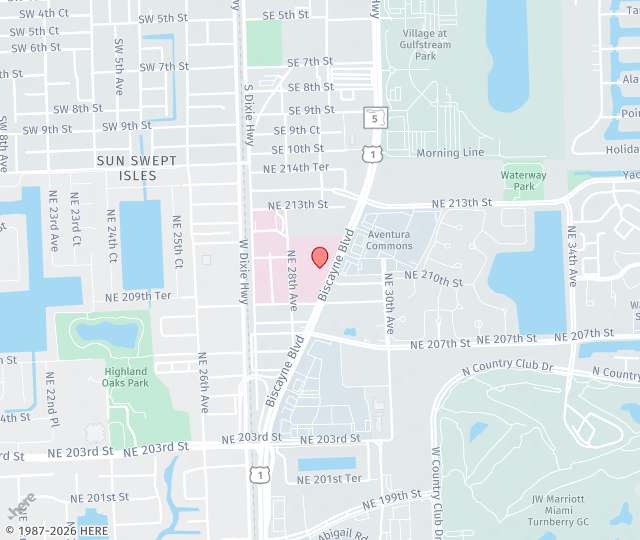
Schedule your consultation with Dr. Baotram Tran in Aventura to discuss your treatment options.
REQUEST A CONSULTATION
Please use this form for general information purposes only. DO NOT send personal health information through this form. Specific patient care must be addressed during your appointment.
Please complete the following form to request an appointment. Please also note that availability will vary depending on your request. Your appointment will be confirmed by phone by a member of our staff. Thank you!