Repair Torn, Stretched, or Gauged Earlobes and Restore a Natural Earlobe Shape
Small Changes Can Restore the Natural Shape of the Earlobe
Earlobes can become torn, stretched, elongated, or misshapen from years of wearing earrings, accidental trauma, gauges, or gradual changes in the tissue.
A piercing hole may slowly become longer until earrings no longer sit properly. In other cases, an earring may pull completely through the earlobe, leaving a full-thickness split.
Patients who previously wore gauges may be left with significantly stretched earlobes after removing them.
Earlobe repair is a minor surgical procedure designed to remove damaged or stretched tissue and reconstruct a more natural earlobe contour.
Depending on the problem, treatment can address:
- Completely torn earlobes
- Partially torn earlobes
- Elongated piercing holes
- Stretched earlobes
- Gauged earlobes
- Earlobe asymmetry
- Abnormal earlobe shape
- Previous unsuccessful earlobe repair
Dr. Baotram Tran individualizes the repair according to the amount of remaining tissue, location and size of the defect, earlobe shape, previous scarring, and whether the patient wishes to wear earrings again.
The goal is simple:
Restore a natural-looking earlobe with appropriate shape, proportion, and symmetry.
What Is Earlobe Repair?
Earlobe repair is a surgical procedure used to reconstruct an earlobe that has been torn, stretched, split, or otherwise altered.
Unlike the upper portion of the ear, the earlobe does not contain cartilage. It consists primarily of skin and soft tissue.
This allows the earlobe to be reshaped using carefully planned removal and rearrangement of the existing tissue.
Earlobe repair is typically performed in the office under local anesthesia.
The exact technique depends on the type and extent of the defect.
What Causes a Torn or Stretched Earlobe?
Heavy Earrings
Repeated tension from heavy earrings can gradually stretch a piercing hole.
Over time, a small round opening may become an elongated vertical slit.
If stretching continues, the remaining tissue may become extremely thin and eventually tear completely.
Accidental Earring Trauma
An earring can be suddenly pulled through the earlobe because of:
- Clothing
- Hairbrushes
- Children pulling on earrings
- Sports
- Accidental trauma
This can create either a partial or complete tear.
Multiple or Poorly Positioned Piercings
Piercings positioned too close to the lower edge of the earlobe may leave insufficient tissue to support an earring.
Multiple adjacent piercings can also weaken the tissue between them.
Ear Gauges
Gauge earrings intentionally stretch the earlobe over time.
After gauges are removed, smaller openings may partially contract on their own, but larger defects often do not return to their original shape.
Surgical reconstruction may be necessary to restore a more natural earlobe contour.
Published surgical literature supports selecting the reconstructive technique according to the size of the stretched defect and the amount and position of remaining earlobe tissue. (PubMed)
Aging and Tissue Changes
Earlobes can also become longer or thinner with age.
Previous piercings may gradually stretch as the tissue changes, particularly when earrings have been worn for many years.
Types of Earlobe Problems
Completely Torn Earlobe
A complete tear occurs when the piercing extends through the lower edge of the earlobe, dividing it into two segments.
The healed edges generally must be surgically refreshed before the tissue can be reconstructed.
Partially Torn or Elongated Piercing
Sometimes the piercing has stretched considerably but has not yet torn completely through the earlobe.
Patients may notice that:
- Earrings hang too low
- Stud earrings point downward
- The piercing looks like a vertical slit
- The remaining tissue beneath the piercing has become very thin
Repairing the defect before it completely tears may allow restoration of a stronger earlobe contour.
Stretched or Gauged Earlobe Repair
Restoring the Earlobe After Gauges
Repair of a gauged earlobe is different from simply closing a torn piercing.
Gauge use may significantly stretch both the skin and soft tissue of the earlobe.
Once the gauge is removed, the remaining tissue may appear:
- Enlarged
- Thin
- Elongated
- Irregular
- Drooping
- Asymmetric
The repair must therefore accomplish more than simply closing the central opening.
Depending on the size and shape of the defect, excess or stretched tissue may need to be removed and the remaining tissue rearranged to recreate the natural lower contour of the ear.
Larger gauge defects may require more complex tissue rearrangement than smaller defects. Published techniques include direct closure and local tissue rearrangement depending on defect size and earlobe anatomy. (PubMed)
The technique should be selected according to the earlobe—not the gauge size alone.
Can an Elongated Piercing Be Repaired Before It Tears Completely?
Yes.
You do not need to wait until an earlobe tears completely before having it repaired.
If a piercing hole has become significantly elongated or the tissue beneath it has become thin, repair can be performed before a complete tear occurs.
The stretched piercing is removed and the remaining earlobe tissue is reconstructed.
After appropriate healing, the ear may potentially be repierced in a more favorable location.
The Earlobe Repair Procedure
Earlobe repair is typically performed in the office using local anesthesia.
The procedure varies according to the type of defect.
For a torn or elongated piercing, the healed skin lining the defect is carefully removed so that fresh tissue edges can be brought together.
The earlobe is then reconstructed in layers to restore continuity and create a natural lower contour.
More extensive stretched or gauged earlobes may require removal and rearrangement of additional tissue.
The procedure is customized to:
- Preserve adequate earlobe size
- Restore a smooth lower border
- Avoid unnecessary shortening
- Improve symmetry
- Minimize visible scarring
- Create adequate tissue support when future piercing is desired
The objective is not simply to close the hole—it is to reconstruct the shape of the earlobe.
Will Earlobe Repair Leave a Scar?
Yes.
Any surgical repair creates a permanent scar.
With a straightforward torn earlobe, the scar generally follows the location of the previous tear.
For more complex stretched or gauged earlobes, scar placement depends on the reconstructive technique required.
Initially, the scar may appear:
- Pink or red
- Firm
- Slightly raised
- More noticeable than it will eventually become
The scar typically softens and becomes less noticeable as it matures.
Final scar appearance varies according to individual healing, skin type, genetics, tension, and scar biology.
Patients with a history of hypertrophic or keloid scarring should discuss this during consultation.
Can I Wear Earrings Again After Earlobe Repair?
In Most Cases, Yes
Many patients who undergo earlobe repair eventually wish to have their ears pierced again.
The earlobe should be allowed to heal adequately before repiercing.
When repiercing is performed, the new piercing should generally be positioned through healthy tissue rather than directly through the repair scar whenever anatomy allows.
The exact timing depends on healing and the type of repair performed.
Dr. Tran will evaluate the earlobe after healing and advise when and where repiercing can safely be considered.
Can the Earlobe Be Repaired and Repierced at the Same Time?
There are surgical techniques that preserve or reconstruct an earring opening during earlobe repair, but delayed repiercing is also widely used. (PubMed)
Dr. Tran will determine the appropriate approach based on the:
- Type of tear
- Amount of remaining tissue
- Location of the original piercing
- Quality of the surrounding tissue
- Desired position of the future piercing
In many cases, allowing the reconstructed earlobe to heal before creating a new piercing provides greater flexibility in selecting a favorable location.
Can Both Earlobes Be Repaired at the Same Time?
Yes.
If both earlobes are torn, stretched, or asymmetric, they can typically be treated during the same visit.
The repair does not have to be identical on both sides.
One earlobe may require a different technique if the defects differ in size, position, or remaining tissue.
The objective is to create better balance between the ears while maintaining a natural earlobe shape.
Earlobe Repair vs. Otoplasty
They Treat Different Parts of the Ear
Earlobe repair and Otoplasty are different procedures.
Earlobe Repair
Earlobe repair addresses the soft, lower portion of the ear and may treat:
- Torn piercings
- Stretched piercing holes
- Gauge defects
- Earlobe shape
- Selected earlobe asymmetry
Otoplasty
Otoplasty primarily reshapes or repositions the cartilage-containing portion of the ear and is commonly performed for prominent or protruding ears.
Patients with concerns involving both ear projection and the earlobe may sometimes have both areas treated as part of an individualized surgical plan.
Earlobe Repair Before & After Photos
Before-and-after photographs can help demonstrate the different types of earlobe defects that can be reconstructed.
When viewing results, look at:
- Restoration of the lower earlobe contour
- Earlobe size and proportion
- Right-to-left symmetry
- Scar position
- Improvement of the original tear or stretched opening
View Earlobe Repair Before & After Photos
Recovery After Earlobe Repair
What to Expect
Recovery after a straightforward earlobe repair is generally limited.
The First Few Days
Patients may experience:
- Mild swelling
- Tenderness
- Minor bruising
- Tightness around the repair
Most patients can return to routine daily activities quickly.
Care should be taken to avoid pulling, rubbing, or placing unnecessary pressure on the repaired earlobe.
Suture Removal
If non-absorbable sutures are used, they are typically removed during an early postoperative visit.
Your specific postoperative instructions will depend on the repair performed.
The Following Weeks
Swelling continues to decrease and the incision begins to mature.
Earrings should not be placed through the healing repair unless specifically instructed otherwise.
Several Months
The scar gradually softens and fades.
Once the earlobe has healed adequately, repiercing may be considered in an appropriate location.
How Long Does Earlobe Repair Last?
Earlobe repair creates a structural reconstruction of the damaged tissue and is intended to provide long-lasting correction.
However, the repaired earlobe can be stretched or torn again.
Future problems are more likely if:
- A new piercing is placed too close to the scar or edge of the earlobe
- Heavy earrings are worn regularly
- The new piercing becomes stretched
- The ear sustains another injury
Protecting the reconstructed tissue and using appropriately positioned piercings can help maintain the result.
Investment
Earlobe repair is individualized according to the number of ears treated and complexity of the defect.
| Procedure | Estimated Investment |
|---|---|
| Simple Earlobe Repair — One Ear | Starting at $750 |
| Simple Earlobe Repair — Both Ears | Starting at $1400 |
| Stretched/Gauged Earlobe Repair | Starting at $1,200 per ear |
| Revision Earlobe Repair | Custom Quote |
The final cost depends on the size and complexity of the defect and the reconstructive technique required.
A personalized treatment plan and fee quote will be provided following your evaluation.
Earlobe Repair Myths and Misconceptions
Myth: A Torn Earlobe Will Heal Back Together on Its Own
Once a mature split or elongated piercing has healed with skin lining the defect, it generally will not simply fuse back together.
Surgical repair removes the healed surfaces and reconstructs the earlobe.
Myth: I Have to Wait Until the Earlobe Tears Completely
No.
An elongated piercing can be repaired before it progresses to a complete tear.
Myth: Earlobe Repair Just Means Sewing the Tear Closed
Not exactly.
The healed tissue along the defect generally needs to be surgically prepared before closure.
The earlobe should also be reconstructed with attention to its shape and lower contour.
Myth: Gauged Earlobes Are Repaired the Same Way as a Simple Earring Tear
No.
Larger gauge defects may require removal and rearrangement of stretched tissue to recreate a natural earlobe contour. (PubMed)
Myth: Earlobe Repair Leaves No Scar
No.
Every surgical repair creates a scar.
The objective is to position and close the incision carefully so that the scar becomes less conspicuous as it matures.
Myth: I Can Never Wear Earrings Again
Most patients can consider repiercing after appropriate healing.
The new piercing should be placed in an appropriate location with adequate tissue support.
Myth: I Should Repierce Directly Through the Scar
Not necessarily.
Whenever possible, a new piercing is generally better positioned through healthy tissue rather than directly through the previous repair scar.
Myth: Heavy Earrings Are Safe Once the Earlobe Is Repaired
A repaired earlobe can stretch again.
Repeated use of heavy earrings can place unnecessary tension on the tissue and potentially contribute to recurrent elongation or tearing.
Frequently Asked Questions About Earlobe Repair
What Is Earlobe Repair?
Earlobe repair is a minor surgical procedure used to reconstruct an earlobe that has been torn, stretched, split, or altered by gauges, trauma, or previous piercing.
Can You Fix a Completely Torn Earlobe?
Yes.
A completely split earlobe can generally be reconstructed by removing the healed tissue along the tear and carefully closing the remaining earlobe.
Can You Fix a Stretched Earring Hole?
Yes.
An elongated piercing can be removed and the earlobe reconstructed even if it has not torn completely.
Can You Repair Gauged Earlobes?
Yes.
Gauged earlobes can often be reconstructed, although larger defects may require more extensive tissue rearrangement than a simple torn piercing. (PubMed)
Is Earlobe Repair Painful?
The procedure is generally performed under local anesthesia.
Patients may feel the initial anesthetic injection, after which the earlobe should be numb during the repair.
Mild tenderness can occur afterward.
Is Earlobe Repair Performed in the Office?
Yes.
Most straightforward earlobe repairs can be performed as an office procedure under local anesthesia.
How Long Does Earlobe Repair Take?
Procedure time depends on whether one or both ears are being treated and the complexity of the defect.
A straightforward repair is typically a relatively short office procedure, while reconstruction of a large gauged earlobe requires more time.
Do I Need General Anesthesia?
Most isolated earlobe repairs do not require general anesthesia and can be performed using local anesthesia.
When Are the Sutures Removed?
Suture removal depends on the closure and sutures used.
If removable sutures are placed, they are generally removed during an early postoperative visit.
When Can I Return to Work?
Most patients can return to non-strenuous work and routine daily activities very quickly after a straightforward repair.
When Can I Exercise?
Light activity can generally resume relatively quickly, but activities that could cause trauma, pulling, or excessive pressure on the ears should be avoided during early healing.
Your specific restrictions will be reviewed after the procedure.
When Can I Get My Ear Pierced Again?
Repiercing is generally delayed until the earlobe has healed adequately.
The exact timing depends on the type of repair and individual healing.
Can You Use My Original Piercing Hole?
Sometimes techniques can preserve or reconstruct an earring opening, but many repairs involve closing the original defect and creating a new piercing later. (PubMed)
Can Both Earlobes Be Repaired at Once?
Yes.
Both ears can typically be treated during the same appointment when appropriate.
Can a Previously Repaired Earlobe Be Fixed Again?
Often, yes.
Revision depends on the amount of remaining tissue, previous scar, location of the defect, and current earlobe shape.
Will My Earlobes Look Exactly the Same?
Natural earlobes are not perfectly symmetrical.
Surgery can improve noticeable differences, but perfect symmetry cannot be guaranteed.
What Are the Risks of Earlobe Repair?
Potential risks include bleeding, infection, unfavorable scarring, hypertrophic or keloid scarring, asymmetry, contour irregularities, wound separation, recurrent stretching or tearing, changes in sensation, and possible need for revision.
Individual risks, benefits, alternatives, and procedure-specific considerations will be discussed before treatment.
Why Choose Dr. Baotram Tran?
A Small Procedure Still Requires Careful Surgical Planning
Although earlobe repair is usually a relatively minor office procedure, simply closing the defect is not enough.
The shape, thickness, symmetry, and lower contour of the earlobe all affect the final appearance.
As a double board-certified plastic surgeon, Dr. Baotram Tran approaches earlobe repair with attention to:
- Natural earlobe shape
- Preservation of adequate earlobe tissue
- Careful scar placement
- Symmetry between the ears
- Reconstruction of stretched and gauged earlobes
- Appropriate planning for future piercing
- Previous scars or repairs
- Avoidance of unnecessary tissue removal
- Individualized treatment based on the size and type of defect
The objective is not simply to close a hole.
It is to reconstruct an earlobe that looks natural and proportionate to the rest of the ear.
Schedule Your Consultation
If you have a torn earlobe, stretched piercing, enlarged gauge opening, or another earlobe concern, repair can often be performed as a straightforward office procedure under local anesthesia.
During your consultation, Dr. Baotram Tran will evaluate the defect, remaining tissue, earlobe shape, symmetry, previous scarring, and whether you would like to wear earrings again.
Your individualized treatment plan may include:
- Torn Earlobe Repair
- Stretched Piercing Repair
- Gauged Earlobe Reconstruction
- Bilateral Earlobe Repair
- Revision Earlobe Repair
- Otoplasty
- Or a customized reconstructive approach
The goal is to restore a natural earlobe shape while preserving enough healthy tissue for a balanced, durable result.
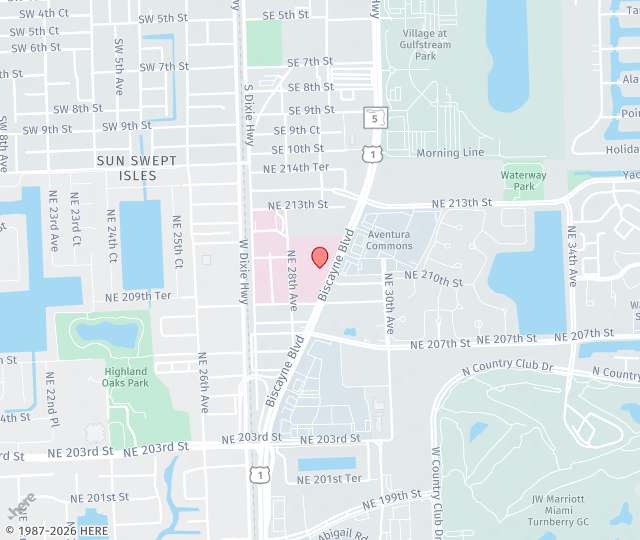
Schedule your consultation with Dr. Baotram Tran in Aventura to discuss your earlobe repair.
REQUEST A CONSULTATION
Please use this form for general information purposes only. DO NOT send personal health information through this form. Specific patient care must be addressed during your appointment.
Please complete the following form to request an appointment. Please also note that availability will vary depending on your request. Your appointment will be confirmed by phone by a member of our staff. Thank you!