Reduce Excess Labial Tissue and Improve Comfort, Symmetry, and Proportion
The size, shape, color, and symmetry of the labia vary widely from person to person.
There is no single “normal” appearance.
However, some women have elongated or asymmetric labia minora that cause:
- Pulling or tugging
- Irritation
- Chafing
- Discomfort during exercise
- Discomfort when cycling
- Discomfort with tight clothing
- Pain or pulling during intercourse
- Difficulty with certain activities
- Self-consciousness about appearance
Labiaplasty is a surgical procedure that reduces and reshapes excess tissue of the labia minora, or inner labial folds.
The procedure can be performed for functional concerns, aesthetic concerns, or a combination of both.
Dr. Baotram Tran individualizes labiaplasty according to the amount and distribution of tissue, asymmetry, pigmentation, edge contour, functional symptoms, surrounding anatomy, and the patient's personal goals.
The goal is not to create one standardized genital appearance. It is to reduce bothersome tissue while preserving natural anatomy, sensation, and proportion.
What Is Labiaplasty?
Labiaplasty most commonly refers to surgical reduction and reshaping of the labia minora, the inner folds of tissue surrounding the vaginal opening.
The procedure may be performed to address:
- Excess labia minora length
- Labial asymmetry
- Protrusion beyond the labia majora
- Recurrent irritation
- Pulling during exercise
- Discomfort with clothing
- Tugging during intercourse
- Uneven or irregular edges
- Changes after pregnancy or childbirth
Not every patient seeks surgery for the same reason.
Some primarily want relief from physical symptoms.
Others are comfortable physically but want improved symmetry or proportion.
What Is Normal Labial Anatomy?
Labial anatomy varies considerably.
Normal differences may include:
- One side being longer than the other
- Labia minora extending beyond the outer labia
- Differences in pigmentation
- Differences in edge shape
- Variations in thickness
- Wrinkling or folding
- Natural asymmetry
These variations do not automatically represent a medical problem.
Labiaplasty should be based on the patient's symptoms, anatomy, goals, and informed preference—not on an arbitrary measurement of what the labia “should” look like.
Why Do Women Choose Labiaplasty?
Women consider labiaplasty for many different reasons.
Common concerns include:
- Labia pulling during exercise
- Discomfort during cycling
- Irritation with leggings or tight clothing
- Recurrent rubbing or chafing
- Pain or tugging during intercourse
- Tissue becoming caught or folded
- Difficulty with certain athletic activities
- Significant labial asymmetry
- Dissatisfaction with appearance
- Changes after pregnancy or childbirth
The presence of long or asymmetric labia does not mean surgery is required.
The decision is personal and should be based on meaningful symptoms or a well-informed aesthetic preference.
Functional Labiaplasty
Some patients seek labiaplasty primarily because of physical symptoms.
Excess or elongated tissue may:
- Twist
- Pull
- Rub
- Become irritated
- Become trapped within tight clothing
- Cause discomfort during sexual activity
For these patients, the objective is to reduce the amount of mobile tissue contributing to the symptoms while preserving normal function.
Cosmetic Labiaplasty
Some patients experience little or no physical discomfort but are bothered by:
- Length
- Asymmetry
- Uneven edges
- Protrusion
- Visibility through clothing
- Overall proportion
Cosmetic concerns are personal.
There is no single ideal labial length or appearance.
A thoughtful consultation should distinguish between normal anatomical variation and the patient's individual preference for reduction.
Labiaplasty for Asymmetry
Labial asymmetry is very common.
One labium may naturally be:
- Longer
- Wider
- Thicker
- More pigmented
- Differently shaped
Labiaplasty can reduce a noticeably longer side or reshape both sides to improve balance.
However, perfect symmetry cannot be guaranteed.
The goal is improvement in proportion while preserving a natural appearance.
Changes After Pregnancy and Childbirth
Pregnancy, childbirth, aging, and hormonal changes may alter the appearance of the external genital tissues.
Patients may notice:
- Increased labial length
- Stretching
- Greater asymmetry
- Tissue laxity
- Changes in pigmentation
Labiaplasty may be considered once postpartum healing is complete and the anatomy has stabilized.
If additional pregnancies are planned soon, timing can be discussed during consultation.
Labia Minora Reduction
Most labiaplasty procedures focus on the labia minora, or inner labial folds.
The procedure removes selected excess tissue and reshapes the remaining edge.
Important surgical goals include:
- Reducing excess length
- Improving asymmetry
- Maintaining a natural contour
- Avoiding excessive tension
- Preserving adequate tissue
- Preserving sensation
- Avoiding excessive reduction
The objective is not to remove the labia minora completely.
Normal labial tissue has protective and functional roles.
Why Conservative Tissue Reduction Matters
One of the most important principles of labiaplasty is avoiding excessive tissue removal.
Over-resection may contribute to:
- Dryness
- Scarring
- Tissue distortion
- Chronic discomfort
- Pain during intercourse
- An unnatural appearance
A natural result requires preservation of enough tissue to maintain normal anatomy and function.
More reduction is not necessarily a better result.
Dr. Tran emphasizes conservative surgical planning with the goal of achieving meaningful improvement while preserving normal tissue.
Trim Labiaplasty
One commonly used approach is the trim technique.
With this method, selected excess tissue is removed along the free edge of the labia minora.
Potential advantages may include:
- Direct reduction of elongated tissue
- Removal of darker or irregular peripheral tissue when desired
- Ability to create a smooth edge
- Adjustment of asymmetry
The amount of tissue removed is customized according to the patient's anatomy.
Wedge Labiaplasty
Another technique is the wedge technique.
A wedge-shaped segment of tissue is removed while preserving much of the natural outer labial edge.
Potential advantages may include:
- Preservation of natural edge pigmentation
- Preservation of much of the original labial border
- Reduction of central length
Wedge procedures have different healing considerations, including the possibility of wound separation at the closure.
No single technique is universally better for every patient.
The appropriate technique depends on anatomy, goals, tissue quality, and surgical judgment.
Trim vs. Wedge Labiaplasty
Both techniques can provide effective reduction.
Trim Technique
May be useful when:
- Excess tissue extends along much of the labial edge
- Darkened or irregular edge tissue is also a concern
- Direct edge reshaping is desired
Wedge Technique
May be useful when:
- Preservation of the natural outer edge is desirable
- Excess length is concentrated in a specific portion
- Tissue characteristics favor wedge reduction
Technique selection should be based on the individual patient's anatomy rather than assuming one method is always superior.
Labiaplasty vs. Vaginal Rejuvenation
These terms should not be used interchangeably.
Labiaplasty
Treats the external labia, usually the labia minora.
Vaginal Surgery
Procedures involving the internal vaginal canal address different anatomy.
Labiaplasty does not tighten the vagina.
It also should not be considered a procedure that automatically improves sexual function.
Will Labiaplasty Improve Sexual Function?
Labiaplasty may reduce physical interference if excess tissue is being pulled or trapped during intercourse.
However, it should not be expected to increase sexual pleasure, libido, or orgasm.
Sexual function is complex and influenced by many factors.
The primary surgical goals are:
- Reduction of bothersome tissue
- Improved comfort
- Improved proportion
- Preservation of sensation
- Preservation of normal anatomy
Will Labiaplasty Affect Sensation?
Temporary changes in sensation can occur during healing.
Patients may experience:
- Numbness
- Increased sensitivity
- Tingling
- Altered sensation
These symptoms often improve as swelling resolves and nerves recover.
However, permanent sensory changes are possible with any surgery involving sensitive genital tissue.
Careful tissue handling and conservative surgical planning are important for minimizing unnecessary disruption of normal anatomy.
Will Labiaplasty Affect Orgasm?
Labiaplasty primarily addresses excess labia minora tissue and is not designed to alter the structures responsible for sexual response.
However, any surgery involving genital tissue carries potential risks including:
- Sensory changes
- Scar sensitivity
- Pain
- Altered sexual experience
For this reason, conservative surgery and realistic expectations are important.
Can Labiaplasty Cause Pain with Intercourse?
Pain during intercourse can occur after genital surgery.
Possible causes include:
- Excessive tissue removal
- Scar formation
- Wound-healing problems
- Tissue tightness
- Sensory changes
Careful surgical planning is important because the goal is to improve bothersome anatomy while preserving comfortable, functional tissue.
Can Labiaplasty Be Performed Under Local Anesthesia?
Yes.
An isolated labiaplasty can often be performed in the office using local anesthesia.
Depending on:
- Extent of surgery
- Patient preference
- Anxiety
- Whether additional procedures are performed
other anesthesia options may also be appropriate.
The anesthetic plan is individualized.
Your Labiaplasty Consultation
During your consultation, Dr. Baotram Tran will evaluate:
- Labia minora length
- Labial symmetry
- Tissue thickness
- Edge pigmentation
- Surrounding anatomy
- Areas causing pulling or irritation
- Previous childbirth
- Previous genital surgery
- Scars
- Functional symptoms
- Aesthetic goals
- Nicotine use
- Medical history
- Expectations regarding size and appearance
The consultation is also an opportunity to discuss the wide range of normal genital anatomy.
Your individualized treatment plan may include:
- Labia Minora Reduction
- Correction of Labial Asymmetry
- Trim Labiaplasty
- Wedge Labiaplasty
- Revision Labiaplasty
- Or another individualized approach
The appropriate amount of reduction depends on your anatomy and symptoms—not on an arbitrary ideal measurement.
The Labiaplasty Procedure
Labiaplasty may be performed as an office-based surgical procedure under local anesthesia when appropriate.
The tissue is carefully marked before surgery.
Selected excess labia minora tissue is removed using a technique chosen according to the patient's anatomy.
The remaining tissue is reshaped and closed with fine sutures.
Absorbable sutures are commonly used.
Attention is given to:
- Symmetry
- Natural labial contour
- Preservation of adequate tissue
- Avoidance of excessive tension
- Preservation of normal surrounding anatomy
- Preservation of sensation
- Avoidance of over-resection
The patient can generally return home after the procedure.
What Will I Look Like Immediately After Labiaplasty?
Significant swelling is normal during early recovery.
The labia may initially appear:
- Larger than expected
- Uneven
- Bruised
- Firm
- Irregular
- More prominent than the eventual result
This early appearance does not represent the final outcome.
Swelling can also be asymmetric.
Patients should allow adequate healing before evaluating final symmetry or size.
Recovery After Labiaplasty
Recovery is usually manageable, but the genital tissues can swell substantially.
The First Few Days
Patients may experience:
- Swelling
- Bruising
- Tenderness
- Burning or stinging
- Mild spotting or drainage
- Temporary sensitivity
Cold therapy may be recommended during early recovery.
Loose clothing and underwear can help reduce friction.
One Week
Many patients feel comfortable returning to non-strenuous work within approximately one week.
Recovery varies according to:
- Extent of surgery
- Type of work
- Degree of swelling
- Individual healing
Prolonged sitting or activities that create direct pressure may remain uncomfortable.
Two to Four Weeks
Swelling gradually improves.
The incision continues to heal and sutures dissolve.
Residual tenderness or asymmetry from swelling may remain.
Four to Six Weeks
Many patients can gradually resume more activities once the incisions have healed adequately.
Sexual intercourse, tampon use, and activities causing significant friction or pressure should generally remain restricted until healing is sufficient.
Dr. Tran will determine when these activities can safely resume based on individual healing.
Several Months
Residual swelling continues to resolve.
Scar tissue softens.
The final contour becomes increasingly apparent.
When Can I Exercise After Labiaplasty?
Walking can generally begin early.
Activities that create:
- Friction
- Pressure
- Stretching
- Repetitive movement
around the surgical area must be avoided longer.
Examples include:
- Cycling
- Horseback riding
- Running
- Certain lower-body exercises
Activity is gradually resumed according to healing.
When Can I Have Sex After Labiaplasty?
Sexual intercourse should be avoided until the incisions are adequately healed.
For many patients, this is approximately four to six weeks, but timing varies.
Resuming intercourse too early may cause:
- Wound separation
- Bleeding
- Pain
- Swelling
- Scar disruption
Dr. Tran will provide individualized clearance based on healing.
When Can I Use Tampons?
Tampon use should also be avoided until the surgical area has healed adequately.
This is commonly approximately four to six weeks.
Pads may be used during early recovery when needed.
When Can I Swim or Take a Bath?
Submerging the surgical area should be avoided until the incisions are fully healed.
This includes:
- Bathtubs
- Swimming pools
- Hot tubs
- Jacuzzis
- Ocean or beach swimming
The exact timing depends on wound healing.
Will Labiaplasty Leave Scars?
Yes.
All surgery creates scars.
However, labiaplasty scars are located within naturally textured tissue and may become relatively inconspicuous as healing progresses.
Early scars may feel:
- Firm
- Sensitive
- Raised
- Irregular
They generally soften with time.
Scar appearance varies between patients.
Can the Labia Grow Back?
Removed tissue does not simply regenerate.
However, the genital tissues can still change with:
- Pregnancy
- Childbirth
- Aging
- Hormonal changes
- Weight changes
Significant future changes may alter the appearance of the labia.
Labiaplasty Investment
Estimated Investment: $4,000–$6,500
The investment for labiaplasty varies depending on the amount of tissue reduction and complexity of the procedure.
Factors that may affect your individualized investment include:
- Degree of labial enlargement
- Degree of asymmetry
- Amount of tissue requiring reduction
- Surgical technique
- Revision surgery
- Anesthesia requirements
- Surgical complexity
Following your consultation with Dr. Baotram Tran, you will receive a personalized surgical plan and detailed quote based on your anatomy and goals.
Financing options may be available for qualified patients.
Is Labiaplasty Covered by Insurance?
Cosmetic labiaplasty is generally considered elective and is usually not covered by health insurance.
In selected patients with significant functional symptoms, insurance coverage may depend on:
- Symptoms
- Medical documentation
- Specific insurance criteria
- Prior conservative treatment
Coverage varies considerably between plans.
Patients should contact their insurance company directly if they believe the procedure may qualify for medical coverage.
Labiaplasty Myths and Misconceptions
Myth: There Is One Normal Labial Appearance
No.
Female external genital anatomy varies widely in size, shape, symmetry, and pigmentation.
Myth: Labia Minora Should Never Extend Beyond the Labia Majora
No.
Protruding labia minora can be completely normal anatomy.
Surgery should be based on symptoms or an informed personal preference.
Myth: Longer Labia Mean Something Is Wrong
No.
Length alone does not determine whether the anatomy is abnormal or requires treatment.
Myth: Labiaplasty Tightens the Vagina
No.
Labiaplasty treats the external labia.
It does not tighten the internal vaginal canal.
Myth: Labiaplasty Will Improve Sexual Pleasure
Not necessarily.
The procedure may reduce physical pulling or irritation in selected patients, but it should not be expected to increase libido, orgasm, or sexual satisfaction.
Myth: The Smaller the Labia, the Better the Result
No.
Excessive reduction can cause scarring, discomfort, distortion, dryness, and pain during intercourse.
Adequate natural tissue should be preserved.
Myth: Labiaplasty Leaves No Scar
No.
All surgical procedures create scars.
Labiaplasty scars are generally positioned within the natural tissue and typically become less noticeable with healing.
Myth: Labiaplasty Is Completely Risk-Free Because It Is a Small Procedure
No.
Although labiaplasty can often be performed as an office procedure, it is still surgery and carries potential risks and complications.
Frequently Asked Questions About Labiaplasty
What Is Labiaplasty?
Labiaplasty is a surgical procedure used to reduce and reshape excess labia minora tissue.
Why Do Women Have Labiaplasty?
Common reasons include:
- Irritation
- Pulling
- Chafing
- Exercise discomfort
- Pain during intercourse
- Asymmetry
- Personal dissatisfaction with appearance
Is It Normal for the Labia Minora to Stick Out?
Yes.
Labial protrusion is part of normal anatomical variation.
Surgery is not necessary solely because the labia extend beyond the outer labia.
Can Labiaplasty Fix Uneven Labia?
Yes.
Different amounts of tissue can be reduced from each side to improve asymmetry.
Perfect symmetry cannot be guaranteed.
What Is the Difference Between Trim and Wedge Labiaplasty?
A trim removes selected tissue along the outer edge.
A wedge removes a segment from within the labium while preserving more of the natural border.
The technique is chosen according to the patient's anatomy and goals.
Will Labiaplasty Affect Sensation?
Temporary sensory changes can occur.
Permanent changes are possible but are not inevitable.
Will Labiaplasty Affect Sexual Function?
It may reduce physical discomfort from excess tissue, but it cannot guarantee improved sexual satisfaction.
Can Labiaplasty Cause Pain During Sex?
Yes.
Pain during intercourse is a potential complication, particularly if excessive tissue is removed or significant scarring develops.
Is Labiaplasty Painful?
The procedure is performed with anesthesia.
Patients generally experience swelling, tenderness, and discomfort during early recovery.
Can Labiaplasty Be Performed Under Local Anesthesia?
Yes.
Many isolated labiaplasty procedures can be performed in the office under local anesthesia.
How Long Is Recovery?
Many patients return to non-strenuous activities within approximately one week.
Swelling and tissue healing continue for considerably longer.
How Long Will I Be Swollen?
Most visible swelling improves progressively over several weeks.
Residual swelling may persist for several months.
When Can I Exercise?
Walking begins early.
More strenuous activities and exercises involving friction or pressure are gradually resumed after adequate healing.
When Can I Have Sex?
Many patients are cleared at approximately four to six weeks, depending on healing.
When Can I Use Tampons?
Tampons are generally avoided until adequate healing, commonly around four to six weeks.
When Can I Swim?
Swimming, hot tubs, baths, and other forms of submersion should be avoided until the incisions are fully healed.
Will I Have Stitches?
Yes.
Absorbable sutures are commonly used.
Will I Have Scars?
Yes.
The scars generally become less noticeable as they mature within the naturally textured labial tissue.
Can Labiaplasty Be Done After Childbirth?
Yes.
Surgery may be considered once postpartum healing is complete and the anatomy has stabilized.
What Happens If I Get Pregnant After Labiaplasty?
Pregnancy itself does not necessarily alter the result, but childbirth may stretch or change the tissues.
How Much Does Labiaplasty Cost?
The estimated investment for labiaplasty is $4,000–$6,500.
The final investment depends on the extent of reduction, asymmetry, technique, anesthesia, and overall surgical complexity.
What Are the Risks of Labiaplasty?
Potential risks include:
- Bleeding
- Hematoma
- Infection
- Swelling
- Wound separation
- Delayed healing
- Scarring
- Labial asymmetry
- Under-resection
- Over-resection
- Contour irregularity
- Changes in pigmentation
- Changes in sensation
- Persistent numbness
- Increased sensitivity
- Chronic discomfort
- Scar sensitivity
- Pain with intercourse
- Dryness
- Dissatisfaction with appearance
- Need for revision surgery
Why Choose Dr. Baotram Tran?
Labiaplasty Requires Conservative Tissue Reduction and Respect for Normal Anatomy
Female external genital anatomy has tremendous natural variation.
Successful labiaplasty is not about creating one standardized appearance.
The surgeon must consider:
- Labial length
- Asymmetry
- Tissue thickness
- Edge shape
- Pigmentation
- Surrounding anatomy
- Functional symptoms
- Sensory anatomy
- Scar placement
- Patient expectations
As a double board-certified plastic surgeon, Dr. Baotram Tran approaches labiaplasty with attention to:
- Preservation of normal anatomy
- Conservative tissue reduction
- Improvement of bothersome asymmetry
- Relief of tissue pulling or irritation when present
- Avoidance of over-resection
- Preservation of sensation
- Natural edge contour
- Scar placement
- Recognition of normal anatomical variation
- Realistic expectations regarding sexual function
The goal is not to make the labia as small as possible. It is to reduce tissue that is genuinely bothersome while preserving a natural, functional, and proportionate result.
Schedule Your Consultation
If elongated or asymmetric labia cause discomfort, irritation, pulling during physical activity, discomfort during intercourse, or personal concern about appearance, labiaplasty may be an option.
During your consultation, Dr. Baotram Tran will evaluate your labial anatomy, symmetry, functional symptoms, medical history, and aesthetic goals.
Your individualized treatment plan may include:
- Labia Minora Reduction
- Correction of Labial Asymmetry
- Trim Labiaplasty
- Wedge Labiaplasty
- Revision Labiaplasty
- Or another individualized labiaplasty approach
There is no one ideal labial shape or size. The appropriate treatment is based on your anatomy, symptoms, and personal goals.
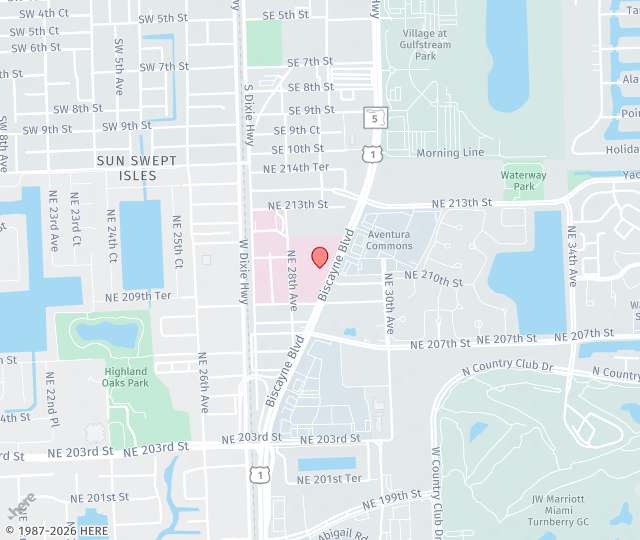
Schedule your consultation with Dr. Baotram Tran in Aventura to discuss your labiaplasty options.
REQUEST A CONSULTATION
Please use this form for general information purposes only. DO NOT send personal health information through this form. Specific patient care must be addressed during your appointment.Please complete the following form to request an appointment. Please also note that availability will vary depending on your request. Your appointment will be confirmed by phone by a member of our staff. Thank you!