
Microneedling, also known as collagen induction therapy, is a minimally invasive treatment designed to improve skin texture by stimulating the body's natural healing and collagen-remodeling response. It may be considered for concerns such as acne scars, enlarged pores, fine lines, rough texture, selected surgical scars, stretch marks, and mild skin crepiness.
Dr. Baotram Tran is double-board certified by the American Board of Surgery and the American Board of Plastic Surgery and has more than 15 years of surgical experience. She individualizes microneedling treatment according to skin type, scar pattern, skin thickness, treatment area, previous procedures, and overall skin goals. The goal is not simply to create as many or as deep needle channels as possible. Treatment depth should be selected according to the anatomy and the concern being treated.
How Does Microneedling Work?
Microneedling uses a device containing multiple fine sterile needles that repeatedly enter the skin at a controlled depth, creating microscopic treatment channels.
These controlled micro-injuries initiate a healing response that can involve:
- Inflammatory signaling
- Cellular repair
- Fibroblast activity
- Collagen formation
- Elastin remodeling
- Tissue renewal
Over the following weeks and months, the treated skin may gradually become smoother, firmer, and more even in texture. Results develop progressively rather than immediately.
Unlike laser resurfacing, microneedling does not depend on a laser wavelength. Unlike Morpheus8, traditional microneedling does not deliver radiofrequency energy into the skin.
What Can Microneedling Treat?
Microneedling may improve selected concerns including:
- Acne scars
- Fine lines
- Enlarged pores
- Rough or uneven texture
- Selected surgical scars
- Mild crepey skin
- Stretch marks
- Overall skin quality

The degree of improvement depends on the type and severity of the concern, treatment depth, number of treatments, skin biology, and individual healing.
Not every skin concern is best treated with microneedling. Evaluating what is causing the visible change helps determine whether microneedling or another treatment is more appropriate.
Microneedling for Acne Scars and Uneven Texture
Acne scars are a common reason to consider microneedling. Treatment may improve selected rolling scars, shallow boxcar scars, and mixed textural irregularities by stimulating remodeling around the scar.
Deeper acne scars may require additional treatments such as subcision, scar excision, UltraClear Laser Resurfacing, Morpheus8, or another individualized scar treatment. No single treatment can completely erase every acne scar. The goal is meaningful improvement in texture and scar visibility.
Microneedling may also help improve general roughness, mild surface irregularities, and enlarged pores. Pore size is influenced by genetics, skin type, oil production, and age, so treatment may make pores appear less noticeable but cannot permanently eliminate them.
Microneedling for Fine Lines, Scars, and Stretch Marks
Fine lines can develop because of collagen loss, skin thinning, sun damage, aging, and repeated facial movement. Microneedling may improve select fine lines by stimulating collagen.
Wrinkles caused primarily by muscle contraction may respond better to BOTOX and Neuromodulators, while more significant photodamage or etched wrinkles may benefit from UltraClear Laser Resurfacing.
Selected surgical scars may also benefit from microneedling after adequate healing and scar maturation. Depending on the scar, other options may include silicone therapy, steroid injections, laser treatment, or surgical scar revision.
Stretch marks develop when skin stretches, and structural changes occur within the dermis. Microneedling may improve the appearance of selected stretch marks by stimulating dermal remodeling, although it generally cannot completely remove them.
What Is Microneedling With PRP?
PRP, or platelet-rich plasma, is prepared from a patient's own blood. A small amount of blood is drawn and processed in a centrifuge to separate and concentrate a platelet-rich portion containing growth factors and signaling proteins involved in tissue repair.

Microneedling creates microscopic channels within the skin, after which PRP may be applied or incorporated according to the treatment protocol. The combination is intended to support tissue healing and remodeling.
PRP may provide additional benefit for selected patients, particularly when treating certain scars or skin-quality concerns. However, it does not guarantee superior results for every patient or indication. Dr. Tran determines whether traditional microneedling alone or microneedling with PRP is appropriate based on the treatment goal.
How Does Microneedling Compare With Other Skin Treatments?
Different skin treatments address different problems, and the most intensive option is not automatically the best choice.
Traditional microneedling creates controlled mechanical micro-injuries and primarily targets texture, pores, selected acne scars, fine lines, and collagen stimulation.
Morpheus8 combines microneedling with radiofrequency energy delivered through the needles. It may be considered when deeper collagen remodeling, mild skin laxity, crepey skin, or selected deeper acne scars are concerns.
UltraClear Laser Resurfacing uses a 2910 nm erbium-doped fiber laser and may be more appropriate for visible photodamage, etched fine lines, significant textural change, selected pigmentation, and more substantial resurfacing.
BBL BroadBand Light primarily targets selected brown spots, sun spots, freckles, facial redness, superficial vessels, and photodamage. Microneedling primarily treats texture, while BBL primarily treats color.
Chemical peels use a chemical solution to create controlled exfoliation or injury and may be particularly useful for selected pigmentation, surface texture, and fine lines.
Dermal Fillers and Sculptra address facial volume, structural support, or deeper collagen stimulation rather than resurfacing skin texture.
Some patients have several concerns and may benefit from a staged or combination treatment plan.
Is Microneedling Appropriate for Different Skin Tones?
One advantage of traditional microneedling is that it does not depend on targeting melanin with light energy. For this reason, it can often be considered across a broad range of skin tones.
However, no skin treatment is completely free of pigment risk. Post-inflammatory hyperpigmentation can still occur, particularly when treatment is too aggressive, the skin becomes excessively inflamed, sun exposure occurs during healing, or the patient is predisposed to pigmentation.
Treatment depth should therefore be individualized according to skin type, treatment area, and the condition being addressed.
Who Is a Good Candidate for Microneedling?
Microneedling may be considered for patients with mild to moderate acne scars, enlarged pores, fine lines, uneven skin texture, selected surgical scars, stretch marks, mild crepey skin, or a desire for collagen stimulation.
Good candidates should also be willing to follow aftercare instructions, protect the skin from sun exposure, avoid picking treated skin, and allow time for collagen remodeling.
Treatment may need to be delayed, modified, or avoided in patients with conditions such as:
- Active skin infection or open wounds
- Active inflammatory acne in the treatment area
- Active herpes outbreak
- Certain bleeding or healing disorders
- Certain medications affecting bleeding or healing
- Poor wound healing
- Active skin cancer in the treatment area
Pregnancy and other medical considerations should also be reviewed before elective treatment. Patients with a history of herpes simplex or cold sores should tell Dr. Tran before treatment because microneedling around the mouth may potentially trigger a recurrence. Preventive antiviral medication may be recommended when appropriate.
What Happens During Microneedling?
The skin is cleansed before treatment, and a topical numbing cream is generally applied to improve comfort. The microneedling device is then passed across the treatment area.
Needle depth may be adjusted according to:
- Treatment area
- Skin thickness
- Scar depth
- Treatment goal

Patients may feel pressure, scratching, pinching, or mild stinging. Areas with thinner skin or less soft-tissue padding may be more sensitive.
When PRP is incorporated, blood is drawn and processed before or during the treatment so the platelet-rich preparation can be used according to the treatment protocol.
What Is Recovery Like After Microneedling?
Immediately after treatment, the skin commonly appears pink or red and may feel warm, tight, swollen, or sensitive. Pinpoint bleeding or mild bruising can occur depending on treatment depth.
During the first several days, the skin may also feel dry, rough, slightly flaky, or more sensitive than usual. Microneedling generally has less downtime than more aggressive laser resurfacing.
Post-treatment skincare should remain simple and gentle. Patients may be instructed to use a gentle cleanser, moisturizer, broad-spectrum sunscreen, and other recommended products. Patients may need to temporarily avoid retinoids, acids, exfoliants, and other potentially irritating ingredients.
Generally, avoid makeup until the skin surface has recovered adequately. Strenuous exercise may also be temporarily restricted because heat and sweating can worsen redness and irritation.
Sun protection is especially important because recently treated skin may be more susceptible to irritation, hyperpigmentation, and additional sun damage.
When Will Microneedling Results Develop?
Microneedling does not produce its full result immediately. Collagen remodeling develops over time, and patients may notice gradual improvement in texture, pores, fine lines, selected scars, and overall skin quality over the following weeks and months.
There is no universal number of treatments. Many patients benefit from a series, with more significant scarring generally requiring more treatment than mild skin-quality concerns.
Sessions are spaced apart to allow skin recovery, inflammation to resolve, and collagen remodeling to begin. The interval between treatments is individualized according to treatment depth and treatment goals.
The collagen remodeling produced by microneedling can create long-lasting improvement, but treatment does not stop aging, future collagen loss, sun damage, acne, or additional scarring. Maintenance treatment may be considered based on the patient's skin and goals.
What Does Microneedling Cost?
The estimated investment for traditional microneedling is approximately $500 to $800 per treatment. Microneedling with PRP typically costs about $850 to $1,200 per treatment because it includes blood collection, PRP preparation, processing, and incorporation of platelet-rich plasma into the treatment.
The final cost can vary based on the treatment area, treatment depth, size of the area being treated, treatment goals, and number of sessions recommended. Some patients may benefit from a series, particularly when addressing more significant scarring or textural concerns.
After your consultation, Dr. Tran will provide an individualized treatment plan and detailed quote based on the recommended approach. Financing information and additional patient resources are also available for those who would like to review payment options before moving forward.
What Are the Risks of Microneedling?
Microneedling is minimally invasive, but it is not risk-free. Potential complications can include:
- Pain or tenderness
- Redness and swelling
- Pinpoint bleeding or bruising
- Dryness or peeling
- Temporary skin sensitivity
- Infection
- Herpes simplex reactivation
- Acne flare
- Post-inflammatory hyperpigmentation
- Hypopigmentation
- Persistent redness
- Scarring or texture changes
- Unsatisfactory improvement
Risk depends on factors such as skin type, treatment depth, sterile technique, medical history, treatment area, and individual healing.
Deeper treatment or more visible bleeding does not automatically produce a better result. The goal is controlled tissue stimulation at an appropriate depth while limiting unnecessary inflammation and the risk of complications.
Your Microneedling Consultation
A consultation with Dr. Tran helps determine whether microneedling is the right match for your skin concerns and goals. She will assess the condition being treated, review relevant medical and treatment history, and consider the amount of downtime you are comfortable with.
Depending on those findings, your treatment plan may involve traditional microneedling, microneedling with PRP, or another skin-rejuvenation option when a different approach better suits the concern. Recommendations are based on the type and depth of correction needed rather than automatically selecting the most intensive treatment.
Frequently Asked Questions About Microneedling
Why Choose Dr. Baotram Tran for Microneedling?
Dr. Baotram Tran brings more than 15 years of surgical experience and is double-boarded by the American Board of Surgery and the American Board of Plastic Surgery. After earning an engineering degree from Cornell University and her medical degree from Drexel University School of Medicine, she completed general surgery training at Wright State University followed by a plastic surgery fellowship at the University of Indiana. She later served as a clinical instructor and assistant professor in the University of Miami Division of Plastic Surgery, where she helped train medical students and plastic surgeons.
Her background in aesthetic and reconstructive care supports a detailed approach to skin assessment, treatment depth, scarring, healing, and facial anatomy. For microneedling patients, treatment is selected according to the specific skin concern rather than automatically choosing the most aggressive technology.
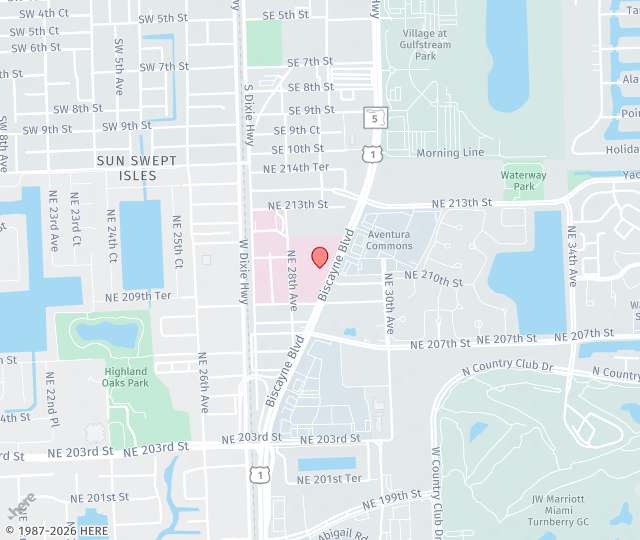
Schedule a Microneedling Consultation in Aventura, FL
Microneedling may offer a minimally invasive option for improving acne scars, enlarged pores, fine lines, rough texture, stretch marks, and other selected skin-quality concerns. A personalized evaluation can determine whether traditional microneedling, microneedling with PRP, or another skin-rejuvenation treatment best suits the concern.
Call (954) 499-4954 to schedule a consultation with Dr. Baotram Tran in Aventura, FL. Treatment recommendations are individualized according to skin type, anatomy, previous treatments, desired downtime, and aesthetic goals.
REQUEST A CONSULTATION
Please use this form for general information purposes only. DO NOT send personal health information through this form. Specific patient care must be addressed during your appointment.
Please complete the following form to request an appointment. Please also note that availability will vary depending on your request. Your appointment will be confirmed by phone by a member of our staff. Thank you!