Natural Double Eyelid Surgery Designed Around Your Individual Anatomy
There Is No Single Ideal Asian Eyelid
Asian eyelid anatomy varies considerably.
Some patients naturally have no visible upper eyelid crease. Others have a low, partial, asymmetric, intermittent, or multiple crease pattern. Some have a prominent epicanthal fold, while others do not.
None of these characteristics is inherently abnormal.
Patients seek Asian eyelid surgery for different reasons. Some want a subtle crease that makes the eyes appear slightly more defined. Others want to improve asymmetry, correct an unstable crease, address upper eyelid fullness, or create a more consistent double eyelid fold.
Asian eyelid surgery, also known as double eyelid surgery or Asian blepharoplasty, creates or refines the upper eyelid crease while respecting the natural anatomy and ethnic characteristics of the individual patient.
The goal is not to Westernize the eyes.
It is not to create the same crease on every patient.
Dr. Baotram Tran designs the eyelid crease according to each patient's anatomy, including crease height and shape, eyelid thickness, fat distribution, epicanthal fold, eyelid position, brow position, facial proportions, and personal preferences.
The best result should look like an eyelid crease that naturally belongs to your face.
Understanding Asian Eyelid Anatomy
Why Double Eyelid Surgery Requires an Individualized Approach
There is no single “Asian eyelid.”
Upper eyelid anatomy varies significantly among individuals and across Asian populations.
Some patients naturally have a well-defined crease. Others have no visible crease, while some have a low, partial, intermittent, tapered, parallel, or asymmetric crease.
These differences are influenced by several anatomical characteristics, including:
- The relationship between the eyelid skin and levator mechanism
- Upper eyelid skin thickness
- Distribution of eyelid fat
- Position of the orbital septum
- Existing eyelid crease
- Brow position
- Eyelid opening and levator function
- Presence and configuration of the epicanthal fold
- Orbital anatomy
- Natural differences between the two eyes
Anatomic differences in the relationship between the levator aponeurosis, orbital septum, fat, and skin contribute to differences in crease formation and appearance. (PubMed)
Because of this variability, successful Asian eyelid surgery involves much more than placing a crease at a predetermined height.
The crease must be designed for the individual eyelid.
What Is Double Eyelid Surgery?
Double eyelid surgery creates or enhances the natural fold of the upper eyelid.
The procedure is also commonly called:
- Asian eyelid surgery
- Asian blepharoplasty
- Double eyelid blepharoplasty
- Double eyelid surgery
Depending on the patient's anatomy, surgery may:
- Create an upper eyelid crease
- Define an existing but poorly formed crease
- Improve crease asymmetry
- Correct multiple or unstable folds
- Remove selected excess skin when appropriate
- Address upper eyelid fullness when indicated
- Improve the relationship between the eyelid crease and epicanthal fold
- Address associated eyelid ptosis when present
The procedure should enhance eyelid definition without unnecessarily changing the characteristics that make the patient's eyes uniquely their own.
Asian Eyelid Surgery Is Not Westernization
Maintaining Ethnic Identity While Refining Eyelid Shape
One of the most important principles of Asian eyelid surgery is understanding what the operation is not intended to accomplish.
Creating a double eyelid crease does not require transforming an Asian eyelid into a Western eyelid.
Asian eyes have distinctive anatomical characteristics that contribute to facial identity and beauty.
An excessively high crease, aggressive removal of upper eyelid fat, excessive skin removal, or an inappropriate relationship between the crease and epicanthal fold can create an appearance that looks unnatural for the individual face.
For some patients, the most harmonious result is a subtle, low crease.
For others, a more defined crease is appropriate.
Some patients prefer a tapered crease, while others prefer a parallel or intermediate configuration.
There is no universally ideal double eyelid.
The appropriate crease is the one that complements your eyes, your facial anatomy, and your aesthetic preferences.
Different Types of Double Eyelid Creases
Crease Shape Matters as Much as Crease Height
One of the most important decisions in Asian eyelid surgery is the design of the crease.
A natural result depends not only on how high the crease is positioned but also on its shape and relationship to the inner and outer corners of the eye.
Tapered Double Eyelid Crease
A tapered crease becomes narrower as it approaches the inner corner of the eye and may blend naturally with the epicanthal fold.
This can create a subtle appearance and is commonly found naturally in Asian eyelids.
A tapered crease may be particularly attractive for patients who want greater eyelid definition without a dramatic change in appearance.
Parallel Double Eyelid Crease
A parallel crease remains separated from the eyelid margin as it approaches the inner corner.
This configuration can create greater visible pretarsal show and a more defined eyelid crease.
Whether a parallel crease will look natural depends partly on the patient's epicanthal fold, eyelid anatomy, and desired appearance.
In-Out or Intermediate Crease
An intermediate or “in-out” crease falls between a completely tapered and completely parallel pattern.
The crease may begin close to the inner corner and gradually become more defined centrally and laterally.
For many patients, subtle variations between these categories produce the most natural result.
Crease design should not be selected from a template.
How High Should a Double Eyelid Crease Be?
Higher is not necessarily better.
An excessively high crease may:
- Appear unnatural
- Create excessive pretarsal show
- Make the eyelid appear hollow
- Produce a deeper or more fixed-looking fold
- Alter the balance of the eye
A crease that is too low, however, may provide less definition than the patient desires.
Dr. Tran considers:
- Existing crease position
- Eyelid thickness
- Eyelid skin
- Amount of pretarsal show
- Brow-to-lid distance
- Eye shape
- Epicanthal fold
- Levator function
- Facial proportions
- Patient preference
The goal is not to create the highest possible crease. It is to create the appropriate crease for the individual eye.
Incisional Double Eyelid Surgery
Greater Control of the Eyelid Crease and Underlying Anatomy
Incisional double eyelid surgery creates the new crease through a carefully designed upper eyelid incision.
This approach provides direct access to the underlying anatomy and allows precise creation of the connections responsible for the eyelid fold.
It also allows selected excess skin or soft-tissue fullness to be addressed when necessary.
Incisional double eyelid surgery may be appropriate for patients with:
- Thicker upper eyelid tissues
- Excess upper eyelid skin
- Greater eyelid fullness
- An unstable or poorly defined existing crease
- Multiple eyelid folds
- Significant asymmetry
- Previous eyelid surgery
- Anatomy requiring direct tissue adjustment
The incision is positioned within the planned crease so that the scar becomes incorporated into the eyelid fold as healing progresses.
A recent systematic review emphasizes that incisional Asian blepharoplasty encompasses multiple techniques and that surgical decision-making should account for anatomical differences while balancing crease stability with natural dynamic movement. (PubMed)
Non-Incisional Double Eyelid Surgery
Creating a Crease Using Suture Techniques
Selected patients may be candidates for a non-incisional or suture double eyelid technique.
Rather than creating a full-length eyelid incision, strategically placed sutures establish connections between the eyelid skin and deeper tissues to form a crease.
Potential advantages may include:
- Smaller access points
- Less tissue disruption
- Potentially shorter initial recovery
- No full-length eyelid incision
However, non-incisional surgery is not appropriate for every eyelid.
Patients with significant skin excess, thicker tissues, greater fullness, or certain crease characteristics may obtain a more predictable result with an incisional approach.
A suture-created crease can also weaken or disappear over time.
The best technique is determined by the anatomy—not simply by which procedure sounds less invasive.
Incisional vs. Non-Incisional Double Eyelid Surgery
Which Is Better?
Neither technique is universally better.
| Consideration | Incisional | Non-Incisional |
|---|---|---|
| Full-length incision | Yes | No |
| Direct access to anatomy | Greater | Limited |
| Excess skin removal | Possible | No |
| Treatment of fullness | Greater flexibility | Limited |
| Thicker eyelids | Often appropriate | Selected cases |
| Initial recovery | Generally longer | Often shorter |
| Crease durability | Generally greater | May loosen over time |
| Revision options | Individualized | Individualized |
The appropriate technique depends on your anatomy, existing crease, skin and soft-tissue characteristics, and desired result.
How Much Fat Should Be Removed?
More Fat Removal Does Not Necessarily Create a Better Eyelid
Upper eyelid fullness is common in Asian eyelid anatomy.
It can be tempting to assume that removing more fat will create a more defined crease.
That is not always true.
Excessive removal of eyelid fat can contribute to:
- Upper eyelid hollowing
- An aged appearance
- An unnaturally deep crease
- Skeletonization of the upper orbit
- A result that may become less attractive with aging
Fat should therefore be removed only when the individual anatomy requires it.
In some patients, little or no fat removal is necessary.
The objective is definition—not hollowing.
Asian Eyelid Surgery and Epicanthal Folds
The Inner Corner of the Eye Matters
The epicanthal fold is the skin fold located near the inner corner of the eye.
Its size and configuration vary considerably among Asian patients and can influence how a double eyelid crease begins medially.
This is particularly important when designing a tapered versus parallel crease.
Not every patient with an epicanthal fold needs epicanthoplasty.
In many patients, the fold contributes naturally to the appearance of the eye and should simply be incorporated into the crease design.
In others, a prominent fold may limit the desired medial eyelid configuration.
The epicanthal fold should be evaluated—not automatically removed.
What Is Epicanthoplasty?
Epicanthoplasty is surgery designed to modify the epicanthal fold at the inner corner of the eye.
It may be considered when the fold significantly influences:
- Medial eyelid shape
- Desired crease configuration
- Apparent distance between the inner corners
- Horizontal eye appearance
Multiple epicanthoplasty techniques have been described, and there is no single gold-standard technique for every patient. Scar visibility is an important consideration because the incision is located near the medial canthus. (PubMed)
For this reason, Dr. Tran does not consider epicanthoplasty an automatic component of Asian eyelid surgery.
It should be performed only when the expected improvement justifies the additional incision and scar.
Double Eyelid Surgery and Ptosis
Sometimes the Problem Is Eyelid Position—not Just the Crease
Not every patient who wants a more open or defined eye simply needs a double eyelid crease.
Upper eyelid ptosis occurs when the eyelid margin itself sits lower than appropriate.
Ptosis may affect one or both eyes and may be subtle.
Creating a crease alone does not necessarily correct true ptosis.
In fact, previously unrecognized differences in eyelid opening may become more noticeable once the creases are made more symmetrical.
For this reason, Dr. Tran evaluates:
- Eyelid margin position
- Levator function
- Pupil-to-eyelid relationship
- Right-to-left differences
- Brow compensation
- Crease position
When appropriate, Upper Eyelid Ptosis Repair may be performed together with double eyelid surgery.
Crease symmetry and eyelid-opening symmetry are related—but they are not the same thing.
Asian Eyelid Asymmetry
Almost everyone has some degree of asymmetry between the eyes.
One brow may sit higher. One eye may open more than the other. The crease may differ in height or shape. The epicanthal folds may differ, or the underlying facial skeleton may be asymmetric.
Asian eyelid surgery can often improve noticeable differences, but perfect symmetry cannot be guaranteed.
Potential causes of asymmetry include:
- Different crease positions
- Unequal skin
- Differences in eyelid fullness
- Ptosis
- Brow asymmetry
- Epicanthal differences
- Previous surgery
- Underlying facial asymmetry
Identifying the cause of the asymmetry is more important than simply trying to place both creases at the same measured height.
Double Eyelid Surgery vs. Traditional Upper Blepharoplasty
Although both procedures involve the upper eyelid, their goals may be different.
Double eyelid surgery is primarily concerned with creating or refining the upper eyelid crease and its relationship to Asian eyelid anatomy.
Traditional Eyelid Surgery (Blepharoplasty) is commonly performed to address age-related excess skin, fullness, or other changes of the upper and lower eyelids.
There can be considerable overlap.
An Asian patient with aging upper eyelids may need both rejuvenation and careful management of the existing crease.
The operation should therefore be designed around both ethnic anatomy and age-related changes rather than treating these as separate considerations.
Revision Asian Eyelid Surgery
Correcting a Previous Double Eyelid Procedure
Revision surgery may be considered for concerns such as:
- Crease asymmetry
- Crease positioned too high
- Crease positioned too low
- Multiple folds
- Loss of the crease
- An excessively deep or fixed crease
- Upper eyelid hollowing
- Excess residual fullness
- Visible scarring
- Unrecognized or inadequately treated ptosis
- An appearance that feels unnatural to the patient
Revision double eyelid surgery can be considerably more complex than primary surgery.
Previous surgery may alter normal tissue planes and create scar tissue, while excessive removal of skin or fat may limit what can be restored.
The first step is determining what was previously done and which anatomical problem is responsible for the current appearance.
Aging Asian Eyelids
Maintaining the Natural Crease During Eyelid Rejuvenation
Asian eyelids continue to change with age.
Over time, patients may develop:
- Upper eyelid skin excess
- Increased or decreased eyelid fullness
- Changes in crease definition
- Multiple folds
- Brow descent
- Upper eyelid hollowing
- Ptosis
A patient who already has a natural or surgically created double eyelid crease may not want that crease substantially changed.
In these cases, rejuvenation should account for the existing eyelid architecture while treating the age-related concern.
Selected patients may benefit from Eyelid Surgery, Upper Eyelid Ptosis Repair, or Endoscopic Brow Lift, depending on the source of the heaviness or asymmetry.
Who Is a Good Candidate for Asian Eyelid Surgery?
You may be a candidate if you would like to:
- Create a natural double eyelid crease
- Improve a weak or intermittent crease
- Correct multiple eyelid folds
- Improve crease asymmetry
- Refine an existing crease
- Address selected upper eyelid fullness
- Improve an undesirable previous double eyelid result
- Address ptosis at the same time when indicated
Good candidates should be in appropriate health for elective surgery and have realistic expectations regarding asymmetry, scars, and healing.
Most importantly, surgery should reflect your own aesthetic goals rather than pressure to conform to a particular eyelid shape.
Your Consultation Experience
Designing the Crease Before Performing the Surgery
Asian eyelid surgery requires detailed preoperative planning.
During your consultation, Dr. Baotram Tran evaluates:
- Existing eyelid crease
- Desired crease height
- Desired crease shape
- Tapered versus parallel preference
- Skin thickness
- Skin excess
- Upper eyelid fullness
- Fat distribution
- Epicanthal fold
- Eyelid margin position
- Levator function
- Ptosis
- Brow position
- Eye shape
- Right-to-left asymmetry
- Previous eyelid surgery
- Scar characteristics
- Overall facial proportions
- Your aesthetic preferences
Different crease positions can be demonstrated during consultation to help determine what looks most natural with your anatomy.
The surgical plan may include:
- Incisional double eyelid surgery
- Non-incisional double eyelid surgery
- Limited skin or soft-tissue adjustment
- Epicanthoplasty when genuinely indicated
- Ptosis Repair
- Revision double eyelid surgery
- Or a combination of techniques
The procedure is designed around your eyelids—not around a standardized Asian eyelid template.
The Double Eyelid Surgery Procedure
Double eyelid surgery is generally performed as an outpatient procedure.
The anesthetic approach depends on the procedure and individual patient.
For incisional surgery, the planned crease is carefully marked before surgery.
An incision is made along this design, allowing the deeper eyelid structures to be accessed.
Selected skin or soft tissue may be addressed when indicated, and the new crease is created by establishing the appropriate relationship between the skin and deeper eyelid structures.
For non-incisional surgery, strategically positioned sutures are used to create the crease through smaller access points.
Throughout either procedure, attention is given to:
- Crease height
- Crease shape
- Symmetry
- Eyelid opening
- Pretarsal show
- Epicanthal anatomy
- Natural eyelid movement
The goal is a crease that appears natural both when the eyes are open and when they move dynamically.
Asian Eyelid Surgery Before & After Photos
When reviewing double eyelid surgery photographs, do not look only at whether a crease is present.
Consider:
- Crease height
- Crease shape
- Right-to-left symmetry
- Eyelid opening
- Pretarsal show
- Relationship to the epicanthal fold
- Whether the result looks natural with the patient's overall face
Different patients should have different results because their anatomy and aesthetic goals are different.
View Asian Eyelid Surgery Before & After Photos
Recovery After Asian Eyelid Surgery
Swelling and bruising are expected after double eyelid surgery.
The crease often appears higher, deeper, and more dramatic during early healing than it will after swelling resolves.
The First Week
Patients may experience:
- Swelling
- Bruising
- Tightness
- Temporary asymmetry
- A crease that looks unusually high or deep
- Mild discomfort
- Temporary changes in eyelid sensation
If removable sutures are used, they are typically removed during an early postoperative visit according to the surgical plan.
One to Two Weeks
Bruising and significant swelling generally improve.
Many patients begin returning to work and social activities, although residual swelling remains visible.
One to Three Months
The crease gradually softens and begins to look more natural.
Right-to-left differences related to swelling continue to improve.
Several Months and Beyond
The crease continues to mature.
Incision lines soften, swelling resolves further, and the eyelid becomes increasingly natural in both appearance and movement.
The early postoperative crease should not be judged as the final result.
How Long Does Double Eyelid Surgery Last?
Incisional double eyelid surgery is intended to create a long-lasting crease.
However, eyelids continue to change with:
- Aging
- Skin laxity
- Brow position
- Tissue volume
- Changes in eyelid function
Non-incisional creases may weaken or disappear over time in some patients.
No surgical result should be considered completely immune to aging or future anatomical change.
Investment
Every Asian eyelid procedure is individualized according to anatomy and surgical complexity.
| Procedure | Estimated Investment |
|---|---|
| Incisional Double Eyelid Surgery | Starting at $5,500 |
| Non-Incisional Double Eyelid Surgery | Starting at $4,000 |
| Double Eyelid Surgery + Ptosis Repair | Custom Quote |
| Double Eyelid Surgery + Epicanthoplasty | Custom Quote |
| Revision Asian Eyelid Surgery | Starting at $7,500 |
A personalized surgical plan and detailed fee quote will be provided following your consultation.
Asian Eyelid Surgery Myths and Misconceptions
Myth: Double Eyelid Surgery Is Designed to Make Asian Eyes Look Western
No.
The goal is to create or refine an eyelid crease that complements the patient's natural anatomy and preferences.
Myth: Every Asian Patient Without a Crease Needs Double Eyelid Surgery
No.
The absence of an upper eyelid crease is a normal anatomical variation.
Surgery is entirely elective and should only be considered when the patient personally desires a change.
Myth: There Is One Ideal Double Eyelid Crease
No.
Tapered, parallel, intermediate, low, and more defined creases may all look attractive depending on the patient's anatomy.
Myth: A Higher Crease Makes the Eyes Look Better
Not necessarily.
An excessively high crease can look unnatural and may be difficult to correct.
Crease height should be proportional to the individual eyelid and face.
Myth: More Fat Should Be Removed to Make the Crease More Visible
No.
Excessive fat removal can contribute to hollowing and an aged or overly operated appearance.
Soft tissue should be addressed only when indicated.
Myth: Non-Incisional Surgery Is Always Better Because There Is Less Scarring
No.
Non-incisional techniques are excellent for selected patients but provide less ability to address excess skin and certain anatomical characteristics.
The appropriate operation depends on the eyelid.
Myth: Non-Incisional Double Eyelid Surgery Is Permanent
Not always.
Suture-created creases can weaken or disappear over time.
Myth: Everyone with an Epicanthal Fold Needs Epicanthoplasty
No.
Many epicanthal folds are attractive natural features and should remain untouched.
Epicanthoplasty should be performed only when modification of the fold meaningfully contributes to the patient's desired result.
Myth: Creating Identical Creases Will Make the Eyes Symmetrical
No.
Differences in brow height, eyelid opening, ptosis, orbital anatomy, and facial structure can create asymmetry even when crease measurements are identical.
Myth: Double Eyelid Surgery Automatically Corrects Ptosis
No.
True ptosis involves eyelid elevation and may require a separate Ptosis Repair.
Myth: The Crease I See During the First Week Is My Final Result
No.
Postoperative swelling initially makes the crease appear higher and deeper.
The eyelid gradually softens and settles over the following weeks and months.
Frequently Asked Questions About Asian Eyelid Surgery
What Is Double Eyelid Surgery?
Double eyelid surgery creates or defines a visible upper eyelid crease.
It is also called Asian blepharoplasty or Asian eyelid surgery.
Does Double Eyelid Surgery Make My Eyes Bigger?
It can change the appearance and definition of the upper eyelid, which may make the eyes appear more open.
However, crease creation alone does not necessarily increase the actual opening of the eyelid.
If true ptosis is present, that requires separate evaluation.
What Is the Difference Between a Tapered and Parallel Crease?
A tapered crease narrows toward the inner corner and may blend into the epicanthal fold.
A parallel crease remains visibly separated from the eyelid margin as it approaches the inner corner.
Neither is inherently better.
How Do I Know Which Crease Will Look Best on Me?
Crease design depends on your existing eyelid anatomy, epicanthal fold, eyelid thickness, eye shape, brow position, facial proportions, and personal preference.
Dr. Tran will evaluate these relationships during consultation.
What Is the Difference Between Incisional and Non-Incisional Double Eyelid Surgery?
Incisional surgery uses an upper eyelid incision and provides direct access to the underlying tissues.
Non-incisional surgery creates the crease using strategically positioned sutures through smaller access points.
Each has different advantages and limitations.
Which Technique Lasts Longer?
Incisional crease formation is generally more durable.
A non-incisional crease may weaken or disappear over time in some patients.
Will You Remove Fat from My Upper Eyelids?
Only if it is appropriate for your anatomy.
Not every patient requires fat removal, and excessive removal can produce unwanted hollowing.
Do I Need Epicanthoplasty?
Not necessarily.
Epicanthoplasty is appropriate only for selected patients whose epicanthal anatomy interferes with the desired medial eyelid configuration or eye shape.
What Is Ptosis?
Ptosis means that the upper eyelid margin itself sits lower than appropriate.
It is different from simply having no eyelid crease or having excess eyelid skin.
Can Ptosis Be Corrected During Double Eyelid Surgery?
Yes, when appropriate.
The procedures address different structures but may be performed together in selected patients.
Can You Correct Uneven Double Eyelids?
Often, yes.
However, the underlying cause of the asymmetry must first be identified.
Can You Correct a Previous Double Eyelid Surgery?
Revision may be possible for concerns including crease height, asymmetry, multiple folds, loss of crease, hollowing, scarring, or an overly deep crease.
Revision options depend on the remaining tissue and previous surgery.
Will My Eyes Look Westernized?
That is not the objective.
The surgical plan is designed to complement your existing Asian eyelid anatomy and facial characteristics.
Will I Have a Scar?
Incisional double eyelid surgery creates a scar within the planned eyelid crease.
Non-incisional techniques use smaller access points rather than a full-length crease incision.
All surgical wounds can leave scars.
How Long Is Recovery?
Many patients return to work and routine social activities within approximately one to two weeks, although residual swelling persists longer.
When Will My Eyelids Look Natural?
The crease gradually softens over several weeks to months.
Early postoperative swelling often makes it look higher and deeper than the final result.
What Are the Risks of Asian Eyelid Surgery?
Potential risks include bleeding, infection, scarring, dry-eye symptoms, temporary or persistent sensory changes, asymmetry, crease irregularity, multiple folds, loss of the crease, excessive or insufficient crease height, hollowing, difficulty closing the eyelid, ptosis, dissatisfaction with appearance, and possible revision surgery.
Epicanthoplasty has additional considerations, particularly visible scarring at the inner corner of the eye. (PubMed)
Individual risks, benefits, alternatives, and procedure-specific considerations will be discussed during consultation and informed consent.
Why Choose Dr. Baotram Tran?
Asian Eyelid Surgery Requires an Understanding of Both Anatomy and Identity
Double eyelid surgery involves changes measured in millimeters, but those small changes can significantly alter the expression and character of the eyes.
As a double board-certified plastic surgeon, Dr. Baotram Tran approaches Asian eyelid surgery with particular attention to:
- Individual Asian eyelid anatomy
- Natural crease design
- Tapered, parallel, and intermediate crease patterns
- Appropriate crease height
- Eyelid symmetry
- Upper eyelid volume
- Epicanthal anatomy
- Eyelid position and ptosis
- Brow position
- Natural eyelid movement
- Conservative soft-tissue adjustment
- Revision double eyelid surgery
- Avoidance of an excessively high, hollow, or overly operated appearance
- Respect for the patient's ethnic identity and personal aesthetic preferences
Dr. Tran is also of Asian heritage, providing a personal understanding that there is no single definition of an attractive Asian eye and that patients may want very different degrees and styles of change.
The objective is not to give every patient the same double eyelid.
It is to create a result that looks natural on you.
Schedule Your Consultation
If you are considering double eyelid surgery, the first step is deciding not only whether you want a crease, but what type of crease will complement your individual anatomy.
During your consultation, Dr. Baotram Tran will evaluate your existing crease, eyelid thickness, skin and soft tissue, epicanthal fold, eyelid position, brow position, symmetry, previous surgery, facial proportions, and aesthetic goals.
Your individualized treatment plan may include:
- Incisional Double Eyelid Surgery
- Non-Incisional Double Eyelid Surgery
- Revision Asian Eyelid Surgery
- Epicanthoplasty when appropriate
- Upper Eyelid Ptosis Repair
- Eyelid Surgery
- Endoscopic Brow Lift
- Or a combination of techniques
The goal is a natural, balanced eyelid crease that complements your eyes and your face.
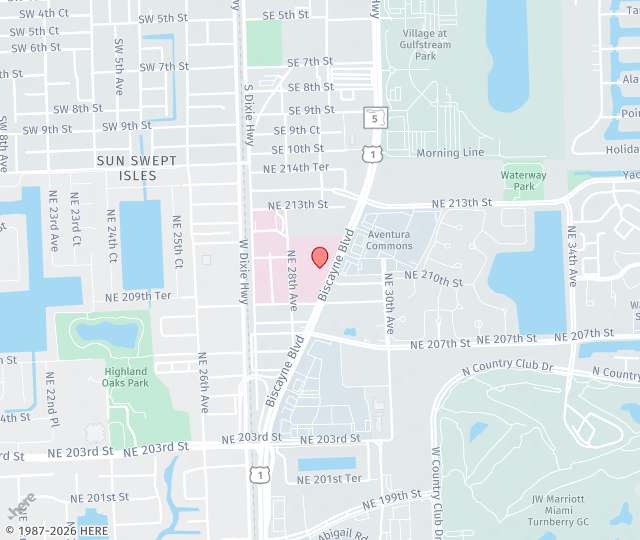
Schedule your consultation with Dr. Baotram Tran in Aventura to discuss your options for Asian eyelid surgery.
REQUEST A CONSULTATION
Please use this form for general information purposes only. DO NOT send personal health information through this form. Specific patient care must be addressed during your appointment.
Please complete the following form to request an appointment. Please also note that availability will vary depending on your request. Your appointment will be confirmed by phone by a member of our staff. Thank you!