Personalized Explant Surgery with or Without Capsulectomy, Breast Lift, or Implant Replacement
Removing Breast Implants Is Not One Standard Operation
Women choose to remove breast implants for many different reasons.
Some simply no longer want implants.
Others may be experiencing:
- Capsular contracture
- Implant rupture or deflation
- Implant malposition
- Breast asymmetry
- Implant-related discomfort
- Changes in breast shape over time
- Concerns about textured implants
- Systemic symptoms they associate with their implants
- A desire to return to a smaller or more natural breast size
Breast implant removal, also called breast explant surgery, removes the breast implant and allows the breast to be reshaped according to the patient's anatomy and goals.
However, explant surgery is not simply about taking the implant out.
The surgeon must also consider:
- The condition of the implant
- The surrounding scar capsule
- Existing breast tissue
- Skin elasticity
- Breast sagging
- Nipple position
- Implant pocket
- Previous breast surgery
- Whether the patient wants another implant
- Whether a breast lift is needed
Dr. Baotram Tran individualizes breast implant removal according to the condition of the implant and capsule, the patient's breast anatomy, and the desired postoperative breast shape.
The goal is not simply to remove the implant. It is to create the best possible breast after the implant is gone.
What Is Breast Implant Removal?
Breast implant removal is surgery performed to remove saline or silicone breast implants.
Depending on the reason for surgery and the condition of the surrounding tissues, the operation may include:
- Implant removal alone
- Implant removal with partial capsulectomy
- Implant removal with total capsulectomy
- Implant removal with replacement
- Implant removal with Breast Lift
- Implant removal with breast reshaping
- Implant removal with Fat Transfer to the Breast
- Revision of the implant pocket
- Removal of ruptured silicone material when present
The operation should be tailored to the individual patient rather than automatically applying the same technique to every breast.
Why Do Women Choose Breast Implant Removal?
No Longer Wanting Breast Implants
Some women simply decide that implants no longer fit their lifestyle or aesthetic preferences.
They may prefer:
- A smaller breast
- Less breast weight
- A more natural breast shape
- Freedom from long-term implant surveillance
- Avoidance of future implant replacement or revision
A medical complication is not required to choose explant surgery.
Capsular Contracture
Every breast implant develops a normal layer of scar tissue around it called a capsule.
In most patients, this capsule remains soft and causes no problem.
Capsular contracture occurs when the scar tissue becomes abnormally tight around the implant.
It may cause:
- Breast firmness
- Pain or discomfort
- Change in breast shape
- Implant displacement
- Increasing asymmetry
Capsular contracture is one of the common reasons patients consider implant removal or revision. (American Society of Plastic Surgeons)
Depending on the anatomy, treatment may involve implant removal, implant replacement, partial capsulectomy, total capsulectomy, pocket modification, or a combination of procedures.
Implant Rupture or Deflation
Both saline and silicone implants can fail.
Saline Implant Deflation
When a saline implant ruptures, the saline is absorbed by the body and the breast typically becomes visibly smaller.
Silicone Implant Rupture
Silicone implant rupture may be less obvious.
Some ruptures are detected on imaging before there is a noticeable external change.
When rupture occurs, the surgical plan depends on:
- Implant type
- Extent of rupture
- Whether silicone remains contained within the capsule
- Condition of the capsule
- Whether the patient wants implant replacement
Removal of silicone material and treatment of the surrounding capsule may be necessary depending on the findings.
Breast Implant Removal Without Replacement
Some patients want their implants removed and do not want another implant placed.
After the implant is removed, the breast generally becomes smaller.
The final appearance depends on:
- Original breast size
- Implant size
- Length of time the implants were present
- Skin elasticity
- Pregnancy history
- Weight changes
- Degree of breast sagging
- Amount of natural breast tissue
- Condition of the capsule
The breast may appear:
- Smaller
- Deflated
- Loose
- Lower on the chest
- More asymmetric
- Irregular during early healing
The American Society of Plastic Surgeons notes that the breast may appear flatter, droopier, or irregular after implant removal depending on the amount of scar tissue and remaining breast tissue. (American Society of Plastic Surgeons)
For some women, the breast shape is acceptable after implant removal alone.
Others benefit from a Breast Lift or additional breast reshaping.
Breast Implant Removal with Breast Lift
Restoring Shape After the Implant Is Removed
When implants are removed without replacement, the remaining breast may have excess skin or significant ptosis.
A Breast Lift can be performed at the same time to:
- Remove excess skin
- Reposition the nipple
- Reshape remaining breast tissue
- Improve breast projection
- Improve breast symmetry
- Create a more compact breast shape
Whether a lift is necessary depends on the anatomy.
Some patients have enough skin elasticity and natural breast tissue to undergo implant removal alone.
Others would be left with significant deflation or sagging without a lift.
A breast lift is not automatically required after explant surgery, but it can significantly improve breast shape in appropriately selected patients.
Breast Implant Removal with Fat Transfer
Selected patients may want additional natural volume after implant removal but do not want another implant.
In these patients, Fat Transfer to the Breast may be considered.
Fat is removed from another area of the body using liposuction, processed, and transferred to the breast.
Fat grafting may help:
- Restore modest breast volume
- Improve upper-pole contour
- Improve breast asymmetry
- Soften contour irregularities
- Improve the transition between the breast and chest
Fat transfer has limitations.
It generally cannot reproduce the same volume provided by a large implant, and not all transferred fat survives permanently.
Breast Implant Removal with Implant Replacement
Some patients want their implants removed but still want breast implants.
This may be appropriate when the concern involves:
- Implant rupture
- Implant deflation
- Capsular contracture
- Implant malposition
- Desire for a different implant size
- Desire for a different implant profile
- Desire to change implant type
The old implant is removed and a new implant is selected according to the patient's current breast anatomy and goals.
Additional procedures may include:
- Capsulectomy
- Capsulotomy
- Implant-pocket modification
- Breast lift
- Fat grafting
- Correction of asymmetry
Patients considering replacement can also review Breast Revision Surgery.
What Is the Breast Implant Capsule?
Scar Tissue Around the Implant Is Normal
The body naturally forms a layer of scar tissue around every breast implant.
This tissue is called the capsule.
A capsule is not automatically abnormal.
In many patients, it remains:
- Thin
- Soft
- Flexible
- Clinically insignificant
Some capsules become thickened, calcified, contracted, irregular, or otherwise problematic.
The condition of the capsule helps determine whether it should be left in place, partially removed, or completely removed.
Does the Capsule Always Need to Be Removed?
No.
Not every breast implant removal requires capsulectomy.
A soft, thin capsule may not require complete removal in every patient.
Capsulectomy may be considered when there is:
- Significant capsular contracture
- Abnormal capsule thickening
- Calcification
- Implant rupture with associated capsule involvement
- Suspicious fluid or mass
- Implant-associated cancer concern
- Other anatomical or clinical reasons
The appropriate amount of capsule removal should be determined according to the individual situation.
The Breast Surgery Collaborative Community distinguishes between partial capsulectomy, total capsulectomy, total intact capsulectomy, and true en bloc capsulectomy rather than treating these terms as interchangeable. (American Society of Plastic Surgeons)
What Is a Capsulectomy?
A capsulectomy is surgical removal of some or all of the scar capsule surrounding a breast implant.
There are several different forms.
Partial Capsulectomy
A partial capsulectomy removes only selected portions of the capsule.
This may be appropriate when only part of the capsule is abnormal or when complete removal would create unnecessary surgical risk.
Total Capsulectomy
A total capsulectomy removes the entire capsule.
The capsule does not necessarily need to remain intact as one piece.
Total capsulectomy may be considered when the capsule itself is clinically problematic.
Total Intact Capsulectomy
A total intact capsulectomy means removing the entire capsule as a single intact structure when technically possible.
This is different from a true oncologic en bloc resection.
What Is En Bloc Capsulectomy?
"En Bloc" Has a Specific Medical Meaning
The term en bloc capsulectomy is frequently used incorrectly online.
True en bloc resection means removing the implant and capsule together with an additional margin of surrounding uninvolved tissue, as would be performed for treatment of a suspected or established implant-associated cancer.
A 2024 Breast Surgery Collaborative Community consensus statement states that the absolute indication for true en bloc capsulectomy is an established or suspected breast-implant–associated cancer after appropriate medical workup. (American Society of Plastic Surgeons)
For routine cosmetic explant surgery, the appropriate question is generally:
How much capsule needs to be removed safely and appropriately?
—not whether every patient needs an “en bloc” procedure.
Why Isn't Total Capsulectomy Always Better?
More extensive surgery is not automatically better surgery.
The breast implant capsule can lie close to:
- Ribs
- Pectoralis muscle
- Chest wall
- Intercostal muscles
- Blood vessels
- Pleura surrounding the lungs
When the posterior capsule is thin and densely adherent to the chest wall, aggressive removal may increase surgical risk without necessarily providing additional benefit.
Potential risks of more extensive capsulectomy can include:
- Bleeding
- Increased operative time
- Greater tissue trauma
- Pneumothorax
- Chest-wall injury
- Greater postoperative discomfort
For this reason, the extent of capsulectomy should be based on the indication and individual anatomy.
Breast Implant Illness
Understanding Systemic Symptoms Associated with Breast Implants
Some patients with breast implants report systemic symptoms commonly referred to as breast implant illness, or BII.
Reported symptoms may include:
- Fatigue
- Brain fog
- Joint pain
- Muscle pain
- Headaches
- Skin changes
- Hair changes
- Sleep disturbance
- Other systemic symptoms
Breast implant illness is not currently defined as one specific medical diagnosis, and the relationship between breast implants and these symptoms remains incompletely understood.
Some patients report improvement after implant removal, while others may have persistent symptoms.
The possibility of improvement cannot be guaranteed.
Patients considering explant surgery because of systemic symptoms should have a thoughtful discussion about expectations, alternative causes of symptoms, and the risks and benefits of implant and capsule removal.
Do I Need Total Capsulectomy for Breast Implant Illness?
Not automatically.
There is currently no evidence that every patient reporting systemic symptoms requires total or en bloc capsulectomy.
The 2024 capsulectomy consensus statement specifically emphasizes shared decision-making and weighing the risks of capsulectomy against potential benefits in patients concerned about systemic symptoms. (American Society of Plastic Surgeons)
The surgical plan should consider:
- Condition of the capsule
- Implant type
- Implant position
- Previous surgery
- Symptoms
- Imaging findings
- Individual risks
- Patient preferences
Textured Breast Implant Removal
Some patients with textured implants consider removal because of concerns about breast implant-associated anaplastic large cell lymphoma, or BIA-ALCL.
BIA-ALCL is a rare lymphoma involving the fluid or capsule surrounding a breast implant and has occurred predominantly in association with textured implants.
The presence of a textured implant alone does not mean that a patient has BIA-ALCL.
Patients with symptoms such as:
- Persistent breast swelling
- A new fluid collection
- A breast or capsular mass
- New breast asymmetry
- Unexplained pain
should undergo appropriate evaluation before surgery.
If implant-associated cancer is suspected, the surgical and diagnostic approach is fundamentally different from routine cosmetic explant surgery.
BIA-ALCL and Other Implant-Associated Cancers
Rare malignancies have been reported in breast implant capsules, including:
- Breast implant-associated anaplastic large cell lymphoma
- Breast implant-associated squamous cell carcinoma
- Other rare lymphomas
These conditions are uncommon, but suspected implant-associated malignancy requires appropriate diagnostic evaluation before surgery.
In cases of established implant-associated malignancy, complete oncologic resection of the involved capsule and implant may be required. (American Society of Plastic Surgeons)
A routine cosmetic explant procedure should not be confused with oncologic treatment.
Breast Implant Removal After Pregnancy or Weight Changes
The breast changes independently from the implant.
Pregnancy, breastfeeding, aging, and weight fluctuations can stretch the breast skin and alter the amount and position of natural breast tissue.
When implants are removed after these changes, the breast may have more:
- Loose skin
- Ptosis
- Volume loss
- Nipple descent
- Asymmetry
These patients may benefit from Breast Lift, fat grafting, or other breast reshaping at the time of implant removal.
Can Breast Implant Removal Improve Neck, Back, or Shoulder Discomfort?
Some women with large or heavy implants feel that their breasts contribute to physical discomfort.
Removing or downsizing implants may reduce breast weight.
However, pain involving the neck, shoulders, chest, or back can have many causes.
Improvement after implant removal cannot be guaranteed.
What Will My Breasts Look Like After Implant Removal?
This is one of the most important questions to discuss before explant surgery.
The breast will generally be smaller once the implant is removed.
The degree of deflation depends on:
- Implant size
- Natural breast tissue
- Skin elasticity
- Breast ptosis
- Implant duration
- Pregnancy
- Weight changes
- Previous surgery
- Capsule
- Chest anatomy
Immediately after removal, the breast may appear flatter or more irregular than its eventual result.
Over time, tissues can contract and settle.
However, significant loose skin or ptosis will not necessarily correct on its own.
Patients should plan for the breast they are likely to have after removal—not simply focus on the implant being gone.
Your Breast Implant Removal Consultation
During your consultation, Dr. Baotram Tran evaluates:
- Implant type
- Implant size
- Implant surface
- Implant age
- Implant position
- Previous implant surgery
- Previous breast lift or reduction
- Breast shape
- Breast tissue volume
- Skin elasticity
- Nipple position
- Breast asymmetry
- Capsular contracture
- Available imaging
- Suspected or known rupture
- Pain or discomfort
- Systemic concerns
- Desired postoperative breast size and shape
Your surgical plan will address:
- Implant removal alone
- Partial or total capsulectomy when indicated
- Implant replacement
- Implant-pocket revision
- Breast Lift
- Fat Transfer to the Breast
- Breast Revision Surgery
- Whether additional imaging or evaluation is needed before surgery
The amount of surgery should be determined by the condition of the implant, capsule, and breast—not by a one-size-fits-all explant philosophy.
The Breast Implant Removal Procedure
Breast implant removal is generally performed as an outpatient procedure under an anesthetic plan appropriate for the operation.
Whenever possible, an existing breast scar may be used.
The incision location depends on:
- Previous incision
- Implant size
- Implant position
- Capsule
- Whether a breast lift is performed
- Whether the implant is being replaced
The implant is carefully removed.
The capsule is then evaluated and treated according to the operative plan.
Treatment may involve:
- No capsulectomy
- Partial capsulectomy
- Total capsulectomy
- Removal of ruptured silicone material
- Pocket modification
- Implant replacement
- Breast lift
- Fat grafting
The breast is then reshaped according to the selected procedure.
Drains may or may not be used depending on the extent of surgery, capsule dissection, fluid space, and additional procedures performed.
Will I Need Drains?
Not every explant patient requires drains.
Drains may be used when there is:
- Extensive capsulectomy
- A large residual surgical space
- Significant tissue dissection
- A breast lift or additional reconstruction
- Concern for postoperative fluid accumulation
In other cases, drains may not be necessary.
The decision is individualized according to the surgical procedure.
Breast Implant Removal Before & After Photos
Before-and-after photographs are particularly useful for explant surgery because results vary significantly according to:
- Implant size
- Natural breast volume
- Skin elasticity
- Degree of ptosis
- Whether capsulectomy was performed
- Whether a breast lift was performed
- Whether fat grafting was added
When reviewing results, compare patients whose starting anatomy and surgical plan are similar to yours.
View Breast Implant Removal & Breast Lift Before & After Photos
Recovery After Breast Implant Removal
Recovery depends substantially on whether surgery involves simple implant removal, capsulectomy, breast lift, implant replacement, or fat grafting.
The First Few Days
Patients commonly experience:
- Swelling
- Bruising
- Tightness
- Breast soreness
- Temporary changes in sensation
Light walking is encouraged.
A surgical or compression bra may be recommended depending on the procedure.
One to Two Weeks
Many patients gradually return to routine non-strenuous activities.
If drains are used, they are removed according to drainage output and healing rather than according to a fixed timeline.
Four to Six Weeks
Activity is gradually increased according to postoperative healing and instructions.
Patients undergoing extensive capsulectomy or breast lift may require a more cautious return to upper-body activity.
Several Months
The breasts continue to soften and settle.
Skin contraction, scar maturation, and changes in breast shape continue over time.
The appearance of the breast immediately after implant removal is not necessarily the final result.
How Long Do Breast Implant Removal Results Last?
Once a breast implant is removed and not replaced, the implant itself is permanently gone.
However, the breast continues to change with:
- Aging
- Gravity
- Pregnancy
- Weight changes
- Hormonal changes
- Skin elasticity
Patients who undergo a breast lift at the same time may eventually develop recurrent breast descent as natural aging continues.
Investment
Every explant procedure is individualized according to implant condition, capsule, breast anatomy, and whether additional reshaping is performed.
| Procedure | Estimated Investment |
|---|---|
| Breast Implant Removal | Starting at $6,500 |
| Breast Implant Removal + Capsulectomy | Starting at $8,500 |
| Breast Implant Removal + Breast Lift | Starting at $12,500 |
| Breast Implant Removal + Breast Lift + Fat Transfer | Custom Quote |
| Implant Removal + Replacement | Custom Quote |
| Complex / Revision Explant Surgery | Custom Quote |
A personalized surgical plan and detailed fee quote will be provided following your consultation.
Breast Implant Removal Myths and Misconceptions
Myth: Every Explant Requires Total Capsulectomy
No.
The capsule is normal scar tissue surrounding the implant.
Complete removal is appropriate in selected circumstances but is not automatically necessary for every patient.
Myth: Every Explant Should Be Performed “En Bloc”
No.
True en bloc capsulectomy is an oncologic term involving removal of the implant and capsule with a surrounding margin of uninvolved tissue.
Current multidisciplinary consensus states that true en bloc resection is indicated for established or suspected implant-associated cancer after appropriate workup. (American Society of Plastic Surgeons)
Myth: The Entire Capsule Is Toxic and Must Always Be Removed
No.
A normal breast implant capsule is scar tissue created by the body around a foreign device.
Capsules vary significantly in thickness, appearance, and clinical importance.
The decision to remove part or all of the capsule depends on the individual clinical situation.
Myth: Breast Implant Removal Will Automatically Cure Breast Implant Illness
No.
Some patients report improvement in systemic symptoms following implant removal, but improvement is not guaranteed and the relationship between implants and systemic symptoms remains incompletely understood.
Myth: My Breasts Will Return to Exactly How They Looked Before Implants
Not necessarily.
Pregnancy, aging, weight changes, implant size, tissue stretching, and time can permanently change the breast.
Myth: Everyone Needs a Breast Lift After Implant Removal
No.
Some patients have enough natural breast tissue and skin elasticity to achieve an acceptable result without a lift.
Others have significant ptosis or loose skin and benefit from mastopexy.
Myth: Implant Removal Means I Cannot Have Breast Volume Again
No.
Patients may choose implant replacement or selected Fat Transfer to the Breast depending on their goals and anatomy.
Myth: Drains Are Always Required After Explant Surgery
No.
Drain use depends on the amount of dissection, capsulectomy, surgical space, and additional procedures performed.
Myth: Removing Implants Is Always Easier Than Putting Them In
Not necessarily.
Simple explantation can be relatively straightforward, but rupture, capsular contracture, calcification, previous surgery, thin tissues, or extensive capsulectomy can make surgery significantly more complex.
Frequently Asked Questions About Breast Implant Removal
What Is Breast Explant Surgery?
Breast explant surgery is another term for breast implant removal.
It may involve removal of the implant alone or additional treatment of the capsule and breast tissues.
Why Would Someone Remove Their Breast Implants?
Reasons include no longer wanting implants, capsular contracture, rupture, implant malposition, discomfort, asymmetry, textured-implant concerns, systemic symptoms, or a desire for a different breast size.
Does the Capsule Always Need to Be Removed?
No.
The need for partial or complete capsulectomy depends on the condition of the capsule, implant, imaging, symptoms, and surgical goals.
What Is the Difference Between Capsulotomy and Capsulectomy?
A capsulotomy releases or opens the capsule.
A capsulectomy removes part or all of it.
They serve different purposes.
What Is a Total Capsulectomy?
A total capsulectomy removes the entire implant capsule.
The capsule does not have to remain intact in one piece.
What Is a Total Intact Capsulectomy?
A total intact capsulectomy removes the entire capsule as one intact structure when technically possible.
What Is En Bloc Capsulectomy?
True en bloc capsulectomy means removing the implant, capsule, and an additional margin of surrounding uninvolved tissue for oncologic treatment.
It is not the routine standard for cosmetic explant surgery. (American Society of Plastic Surgeons)
Do I Need En Bloc Capsulectomy for Breast Implant Illness?
Not automatically.
The appropriate surgical plan should consider capsule condition, implant type, anatomy, symptoms, imaging, risks, and patient preferences.
Can You Remove Ruptured Silicone Implants?
Yes.
The implant and accessible silicone material can be removed, and the capsule is managed according to the extent of rupture and operative findings.
Will I Need a Breast Lift?
That depends on your remaining breast tissue, skin elasticity, nipple position, implant size, and degree of ptosis.
Some patients need implant removal alone.
Others benefit substantially from Breast Lift.
Can Fat Transfer Be Added After Implant Removal?
Yes, in selected patients.
Fat Transfer to the Breast may restore modest natural volume or improve contour after explant surgery.
Can My Implants Be Replaced Instead?
Yes.
Patients who want continued breast augmentation may choose implant replacement and, when necessary, additional Breast Revision Surgery.
Can Breast Implant Removal Be Performed Without General Anesthesia?
The anesthetic plan depends on the extent of surgery.
More extensive capsulectomy, breast lift, or complex revision surgery generally requires a different anesthetic plan than straightforward implant removal.
Will I Have New Scars?
Whenever possible, an existing breast incision may be reused.
A breast lift requires additional mastopexy scars.
The final scar pattern depends on the procedure performed.
Will My Breasts Be Smaller?
Yes, if the implants are removed without replacement.
The amount of remaining natural breast volume varies considerably among patients.
Will My Breasts Look Deflated?
They may initially appear deflated, particularly after large implants or long-term tissue stretching.
Skin contraction and tissue settling occur over time.
Some patients benefit from a breast lift or fat grafting to improve the final shape.
Can Breast Implant Removal Improve Breast Pain?
It may when discomfort is related to capsular contracture, implant weight, or another implant-related cause.
However, breast or chest pain can have multiple causes and improvement cannot be guaranteed.
Can Breast Implant Removal Improve Breast Implant Illness Symptoms?
Some patients report improvement after explant surgery, but improvement is not guaranteed.
The causes of systemic symptoms associated with breast implants remain incompletely understood.
How Long Is Recovery?
Many patients return to routine non-strenuous activities within approximately one to two weeks.
Recovery is longer when capsulectomy, breast lift, fat grafting, or complex revision surgery is performed.
What Are the Risks of Breast Implant Removal?
Potential risks include:
- Bleeding
- Hematoma
- Infection
- Seroma
- Delayed wound healing
- Skin loss
- Fat necrosis
- Breast asymmetry
- Contour irregularity
- Breast deflation
- Changes in nipple or breast sensation
- Unfavorable scarring
- Persistent pain
- Pneumothorax or chest-wall injury during difficult capsulectomy
- Incomplete removal of silicone material after rupture
- Need for drains
- Need for revision surgery
- Anesthesia-related complications
- Blood clots and cardiopulmonary complications
ASPS lists bleeding, seroma, hematoma, infection, sensory changes, skin loss, persistent pain, asymmetry, unfavorable scarring, and possible revision among recognized explant risks. (American Society of Plastic Surgeons)
Individual risks, benefits, alternatives, and procedure-specific considerations will be reviewed during consultation and informed consent.
Why Choose Dr. Baotram Tran?
Breast Implant Removal Requires More Than Taking Out the Implant
The appearance of the breast after explant surgery depends on much more than the implant itself.
Capsule condition, natural breast tissue, skin elasticity, nipple position, implant pocket, previous surgery, and breast asymmetry all influence the final result.
As a double board-certified plastic surgeon, Dr. Baotram Tran approaches breast implant removal with attention to:
- Individual implant and capsule evaluation
- Implant rupture and capsular contracture
- Appropriate use of partial or total capsulectomy
- Evidence-based discussion of en bloc terminology
- Breast tissue and skin quality
- Nipple position
- Breast asymmetry
- Breast lift when appropriate
- Fat grafting when appropriate
- Implant replacement when desired
- Revision of previous implant pockets
- Textured implant concerns
- Breast implant illness discussions
- Long-term breast shape after explantation
- Avoidance of unnecessarily aggressive capsule removal when the additional risk does not provide a clear benefit
- Honest counseling about the likely breast appearance after implant removal
Some patients require a relatively straightforward implant removal.
Others benefit from capsulectomy, breast lift, fat grafting, implant exchange, or complex revision surgery.
The operation should match the reason for explantation and the anatomy—not a predetermined explant technique.
Schedule Your Consultation
If you are considering breast implant removal because you no longer want implants, are experiencing capsular contracture, have an implant rupture, have concerns about your implants, or simply want a different breast size or shape, your surgical plan should begin with a careful evaluation of both the implant and the breast.
During your consultation, Dr. Baotram Tran will evaluate your implants, capsule, breast tissue, skin elasticity, nipple position, previous scars, imaging, symptoms, and desired postoperative breast shape.
Your individualized plan may include:
- Breast Implant Removal
- Partial Capsulectomy
- Total Capsulectomy
- Implant Removal with Replacement
- Breast Lift
- Fat Transfer to the Breast
- Breast Revision Surgery
- Evaluation of a ruptured implant
- Evaluation of textured implant concerns
- Or a combination of procedures based on your anatomy and goals
The goal is not simply to remove the implant. It is to determine what should—and should not—be done at the same time to create the safest and most appropriate result for your breast.
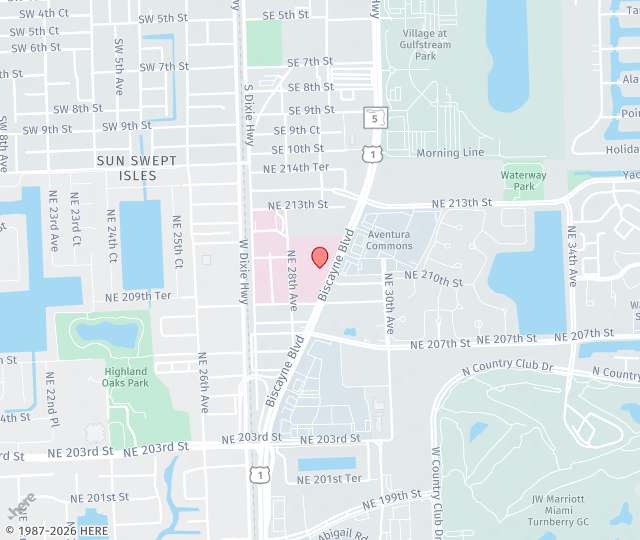
Schedule your consultation with Dr. Baotram Tran in Aventura to discuss your breast implant removal options.
REQUEST A CONSULTATION
Please use this form for general information purposes only. DO NOT send personal health information through this form. Specific patient care must be addressed during your appointment.Please complete the following form to request an appointment. Please also note that availability will vary depending on your request. Your appointment will be confirmed by phone by a member of our staff. Thank you!