Natural Breast Enhancement Using Your Own Fat
Breast enhancement does not always require an implant.
For selected patients who want a modest increase in breast volume, improvement in breast contour, correction of asymmetry, or additional soft-tissue coverage, fat transfer to the breast can provide an implant-free option using the patient's own tissue.
The procedure begins with liposuction to remove unwanted fat from areas such as the abdomen, waist, back, or thighs.
The harvested fat is carefully processed and then transferred to the breasts in small amounts to create additional volume and improve breast shape.
Unlike breast implants, fat grafting does not place a manufactured device within the breast.
However, fat transfer also has different limitations. The amount of enlargement is generally more modest, some of the transferred fat will not survive, and patients must have enough donor fat available to perform the procedure.
Dr. Baotram Tran individualizes breast fat transfer according to breast anatomy, available donor fat, skin quality, breast asymmetry, desired volume, and overall body proportions.
The goal is not simply to make the breasts larger. It is to use your own tissue to create subtle, natural-looking improvement in breast volume and shape.
What Is Fat Transfer to the Breast?
Fat transfer to the breast, also called breast fat grafting, autologous fat transfer, or fat injection to the breast, uses fat obtained from another area of your body to add volume to the breasts.
The procedure has three main steps:
- Fat is removed with liposuction.
- The harvested fat is processed and prepared for transfer.
- Small amounts of fat are carefully injected into different areas of the breast.
The transferred fat develops a blood supply from the surrounding breast tissues.
The portion of fat that successfully establishes a blood supply becomes living tissue within the breast.
Fat transfer may be used to:
- Modestly increase breast volume
- Restore breast fullness
- Improve breast asymmetry
- Improve upper-pole contour
- Improve cleavage transition
- Correct localized breast contour irregularities
- Add soft-tissue coverage over breast implants
- Improve selected implant rippling
- Restore volume after breast implant removal
- Refine breast shape following previous surgery
How Much Larger Can My Breasts Become?
Fat transfer is best suited for patients seeking a modest increase in breast volume.
It generally cannot provide the same degree of predictable enlargement that can be achieved with a breast implant.
The amount of fat that can safely be transferred depends on:
- Existing breast size
- Breast skin and tissue capacity
- Available donor fat
- Blood supply within the recipient tissues
- Previous breast surgery
- Desired breast size
- Number of treatment sessions
Trying to place excessive amounts of fat into tissue that cannot adequately support it does not necessarily create a larger result.
Instead, excessive grafting may increase the likelihood that some fat will not survive.
Successful fat transfer depends on how well the transferred fat survives—not simply how much fat is injected.
How Much of the Transferred Fat Survives?
Not every transferred fat cell survives.
During healing, some of the transferred fat establishes a new blood supply and becomes permanently incorporated into the breast.
The remainder is gradually reabsorbed by the body.
Fat survival varies between patients and depends on several factors, including:
- Fat-harvesting technique
- Fat processing
- Injection technique
- Recipient-tissue blood supply
- Volume transferred
- Nicotine exposure
- Individual healing
- Weight changes
Because fat survival is not perfectly predictable, the final breast volume cannot be guaranteed to an exact amount.
The breast is typically somewhat larger immediately after surgery because of both transferred fat and swelling.
As swelling resolves and non-surviving fat is reabsorbed, the final volume becomes more apparent.
Is Fat Transfer to the Breast Permanent?
The fat that successfully survives becomes living tissue within the breast and can remain long term.
However, transferred fat behaves like fat elsewhere in the body.
If you lose a significant amount of weight, the transferred fat can become smaller.
If you gain weight, the transferred fat can enlarge.
The breasts also continue to change naturally with:
- Aging
- Pregnancy
- Weight fluctuations
- Hormonal changes
- Gravity
For this reason, maintaining a relatively stable weight can help preserve the result.
Fat Transfer vs. Breast Implants
Fat transfer and breast implants can both increase breast volume, but they are very different procedures.
Fat Transfer to the Breast
Potential advantages include:
- Uses your own tissue
- No breast implant
- No implant rupture
- No capsular contracture
- No implant-specific long-term surveillance
- Simultaneous liposuction of donor areas
- Ability to refine specific breast contours
- Soft, natural breast tissue
Potential limitations include:
- More modest increase in breast size
- Some transferred fat will not survive
- Adequate donor fat is required
- More than one session may occasionally be desired
- Volume is less predictable than implant-based augmentation
Breast Implants
Breast implants may provide:
- Greater increase in breast size
- More predictable volume
- Greater ability to create projection
- Greater ability to create significant upper-pole fullness
- A wide range of implant dimensions and profiles
Patients who want a larger and more predictable increase in breast size may be better candidates for Breast Augmentation.
Patients who want a more modest implant-free enhancement may prefer fat transfer.
Neither approach is universally better. The appropriate choice depends on your anatomy and goals.
Who Is a Good Candidate for Breast Fat Transfer?
You may be a candidate if you:
- Want a modest increase in breast volume
- Prefer to avoid breast implants
- Have adequate donor fat
- Have relatively stable body weight
- Want improvement in mild breast asymmetry
- Want additional upper-pole or cleavage contour
- Want correction of localized breast irregularities
- Want additional soft-tissue coverage around an implant
- Want modest volume restoration after implant removal
- Are in appropriate health for elective surgery
- Avoid nicotine
Patients should understand that fat transfer does not provide the same amount of enlargement as implants.
Who May Not Be an Ideal Candidate?
Fat transfer may be less appropriate if you:
- Want a large increase in breast size
- Have very little available body fat
- Are actively losing a significant amount of weight
- Have substantial breast sagging requiring a lift
- Expect an exact cup-size increase
- Use nicotine
- Have breast findings requiring additional evaluation before cosmetic surgery
A patient with significant breast ptosis may require a Breast Lift rather than fat transfer alone.
Where Is the Fat Taken From?
Fat can be harvested from areas where there is enough unwanted subcutaneous fat for safe liposuction.
Common donor areas include:
- Abdomen
- Waist
- Flanks
- Back
- Inner thighs
- Outer thighs
- Hips
- Other selected areas
The donor site is chosen according to where adequate fat is available and which areas would benefit from contouring.
This means breast fat transfer can improve two areas during the same procedure:
Fat is removed from an area where it is unwanted and transferred to the breasts where additional volume is desired.
Does the Donor Area Need to Have a Lot of Fat?
No specific body type is required, but enough donor fat must be available to obtain the amount needed for grafting.
Very lean patients may not have enough excess fat to achieve the desired breast volume.
Dr. Tran evaluates potential donor sites during consultation to determine whether adequate fat is available.
Patients should not intentionally gain substantial weight simply to create donor fat.
If weight is later lost, transferred fat may also decrease in volume.
How Is the Fat Harvested?
The donor area is treated with Liposuction.
Small access incisions are made and fat is carefully removed using a cannula.
Fat intended for grafting is harvested with consideration for maintaining viable fat cells.
The harvested material is then prepared for transfer.
The exact processing method may vary depending on the volume being transferred and the surgical plan.
How Is Fat Transferred to the Breast?
The prepared fat is placed into the breast through small access points.
Rather than placing the fat as one large collection, it is distributed in small amounts through multiple tissue planes.
This allows the transferred fat to remain in close contact with healthy surrounding tissue from which it can develop a blood supply.
Fat may be strategically distributed to improve:
- Overall breast volume
- Upper-pole fullness
- Cleavage
- Breast symmetry
- Implant coverage
- Selected contour irregularities
Fat grafting is a three-dimensional sculpting procedure rather than simply an injection of volume.
Fat Transfer for Natural Breast Augmentation
Some women want larger breasts but prefer to avoid implants.
For appropriately selected patients, fat transfer can provide a subtle form of natural breast augmentation.
The procedure may be particularly attractive for patients who want:
- A modest increase in breast size
- A soft, natural breast feel
- No implanted device
- Improvement of body contour through liposuction at the same time
The amount of enlargement is limited by the amount of available donor fat and the ability of the breast tissue to support the transferred fat.
Patients seeking a substantial increase in breast size are generally better candidates for Breast Augmentation with implants.
Fat Transfer for Breast Asymmetry
Almost all breasts are naturally asymmetric.
Differences may involve:
- Breast volume
- Breast shape
- Breast width
- Nipple position
- Chest wall anatomy
- Upper-pole fullness
Fat grafting can be particularly useful for localized volume asymmetry because fat can be placed selectively where additional tissue is needed.
For example, a greater amount may be transferred to one breast than the other.
However, fat grafting cannot correct every cause of asymmetry.
Differences in nipple position, significant breast sagging, chest wall anatomy, or breast width may require other procedures.
The goal is improved balance—not perfectly identical breasts.
Fat Transfer with Breast Implants
Hybrid Breast Augmentation
Breast implants and fat transfer can be used together.
This is sometimes called hybrid breast augmentation.
The implant provides the primary increase in breast volume and projection.
Fat grafting can then be used selectively to improve:
- Implant-edge coverage
- Cleavage transition
- Upper-pole contour
- Rippling
- Soft-tissue thickness
- Breast asymmetry
- Localized contour irregularities
This may be particularly useful in thinner patients or revision breast surgery when implant edges are more visible.
Fat grafting does not replace proper implant selection or implant-pocket correction.
It is an additional tool for improving soft-tissue contour.
Fat Transfer for Breast Implant Rippling
Implant rippling may become visible when the tissue covering the implant is relatively thin.
Selected patients may benefit from fat grafting to increase the thickness of tissue between the implant and skin.
Fat can be placed strategically in areas where implant edges or ripples are most noticeable.
However, significant implant malposition, inappropriate implant size, or implant-pocket problems may require Breast Revision Surgery in addition to—or instead of—fat transfer.
Fat Transfer After Breast Implant Removal
After Breast Implant Removal, some patients want to remain implant-free but would like to restore some breast volume.
Fat transfer may be considered to:
- Restore modest volume
- Improve upper-pole contour
- Improve cleavage
- Correct localized irregularities
- Improve asymmetry
- Soften the transition between the breast and chest wall
For patients with substantial loose skin or sagging after implant removal, a Breast Lift may also be necessary.
Fat transfer adds volume.
It does not remove excess skin or substantially lift a low nipple.
Fat Transfer with Breast Lift
Patients who have both breast sagging and volume deficiency may benefit from combining a Breast Lift with fat grafting.
The breast lift reshapes and elevates the natural breast.
Fat grafting can then provide modest additional volume in selected areas.
This may be useful for patients who want:
- A lifted breast
- Modest upper-pole fullness
- No breast implant
- Additional correction of asymmetry
The amount of volume that can be added remains more limited than with an implant.
Fat Transfer with Breast Lift and Implants
Fat grafting may also be used during Breast Lift with Implants when selected areas require additional soft-tissue coverage or contour refinement.
In this setting:
The breast lift improves position and shape.
The implant provides the primary added volume.
Fat grafting provides targeted contour refinement.
Not every augmentation-mastopexy requires fat grafting.
Fat Transfer in Breast Revision Surgery
Fat grafting has become an important tool in Breast Revision Surgery.
It may be used to improve:
- Implant visibility
- Implant rippling
- Thin soft-tissue coverage
- Breast asymmetry
- Upper-pole contour
- Cleavage
- Localized depressions
- Contour irregularities after previous surgery
Revision surgery must still address any underlying implant-pocket, capsule, or implant-position problem.
Fat transfer is most effective when it is used to treat a genuine soft-tissue-volume deficiency.
Can Fat Transfer Replace a Breast Implant?
Sometimes—but not for every patient.
A patient seeking a modest increase may achieve her goals using fat alone.
A patient who wants a substantial increase in breast size, greater projection, or pronounced upper-pole fullness may require an implant.
The choice between fat and implants depends on:
- Desired breast size
- Breast anatomy
- Available donor fat
- Tissue quality
- Desired shape
- Willingness to have a breast implant
Can Fat Transfer Lift Sagging Breasts?
No.
Fat adds volume.
It does not remove excess skin or reposition a significantly low nipple.
In selected patients with mild deflation and good nipple position, restoring volume can improve the overall appearance of the breast.
However, significant breast ptosis requires a Breast Lift.
Trying to correct significant sagging by adding excessive volume can create a heavier breast without properly correcting its position.
Will Fat Transfer Give Me Upper-Pole Fullness?
Fat can be strategically placed in the upper breast to improve upper-pole contour.
However, the degree of fullness possible depends on:
- Available donor fat
- Existing breast tissue
- Skin envelope
- Recipient-tissue capacity
- Fat survival
An implant can generally create a greater and more predictable increase in upper-pole projection.
Fat transfer tends to provide a more modest change.
Can Fat Transfer Create Cleavage?
Fat can improve the soft-tissue transition along the medial breast in selected patients.
However, cleavage is strongly influenced by:
- Chest width
- Distance between the breasts
- Breastbone anatomy
- Existing breast tissue
- Breast width
Fat transfer cannot safely overcome every anatomical limitation.
The goal is to improve contour within the limits of the patient's natural anatomy.
Fat Necrosis After Breast Fat Transfer
Not every transferred fat cell survives.
Sometimes non-surviving fat can create an area of fat necrosis.
Fat necrosis may feel like:
- A small firm area
- A lump
- A nodule
- An area of firmness within the breast
Some areas of fat necrosis gradually soften or become less noticeable.
Others may form an oil cyst or calcification.
Because any new breast lump should be appropriately evaluated, patients should tell their breast-imaging providers that they have undergone breast fat grafting.
Oil Cysts and Calcifications
Fat that does not survive can occasionally liquefy and form an oil cyst.
Fat necrosis can also produce calcifications visible on breast imaging.
Experienced breast radiologists can often distinguish changes related to fat grafting from suspicious breast findings, although additional imaging or evaluation may sometimes be required.
Patients should continue age- and risk-appropriate breast screening after fat transfer.
Fat Transfer and Mammograms
Breast fat grafting does not eliminate the need for routine breast cancer screening.
Patients should continue mammograms or other breast imaging according to their age, personal history, family history, breast density, and healthcare recommendations.
When having future breast imaging, tell the imaging facility that you have undergone fat transfer.
Changes related to fat grafting can include:
- Fat necrosis
- Oil cysts
- Calcifications
- Changes in breast density or contour
Any new or concerning breast finding should be appropriately evaluated.
Can Fat Transfer Cause Breast Cancer?
Current clinical evidence has not demonstrated that appropriately performed autologous breast fat grafting causes breast cancer.
However, breast fat grafting can create benign imaging changes such as fat necrosis or calcifications.
Patients should therefore continue routine breast screening and inform imaging providers about previous fat grafting.
Fat transfer should not be performed as a substitute for appropriate evaluation of an unexplained breast mass or abnormal breast imaging.
Breast Fat Transfer After Previous Breast Cancer
Fat grafting has also been used in breast reconstruction and to correct contour abnormalities following treatment for breast cancer.
However, patients with a personal history of breast cancer require individualized evaluation and appropriate coordination with their breast or oncology team.
Cosmetic breast fat transfer should not interfere with appropriate cancer surveillance.
Can I Have Fat Transfer If I Have Very Dense Breasts?
Breast density alone does not automatically prevent fat grafting.
However, breast imaging history and risk factors should be reviewed before elective breast surgery.
Patients should remain current with recommended breast screening.
When appropriate, Dr. Tran may request updated imaging before surgery depending on:
- Age
- Personal history
- Family history
- Previous breast findings
- Current screening status
Your Fat Transfer Consultation
During your consultation, Dr. Baotram Tran will evaluate both the breasts and potential donor areas.
Breast evaluation includes:
- Existing breast size
- Breast shape
- Breast asymmetry
- Upper-pole volume
- Nipple position
- Degree of breast sagging
- Skin elasticity
- Previous breast surgery
- Previous implants
- Breast imaging history
- Desired breast volume and shape
Potential donor areas are evaluated for:
- Available fat
- Skin quality
- Body contour
- Liposuction goals
- Expected fat yield
Your surgical plan will determine:
- Whether you are a good candidate for fat transfer
- Which donor areas will be used
- Approximately how much fat can be transferred
- Whether fat transfer alone is likely to achieve your goals
- Whether an implant would provide a better result
- Whether a breast lift is needed
- Whether fat grafting should be combined with breast revision surgery
The procedure must make sense for both the donor area and the breast.
The Fat Transfer Procedure
Fat transfer to the breast is generally performed as an outpatient surgical procedure under an anesthetic plan appropriate for the extent of surgery.
The selected donor areas are treated with liposuction.
Fat is carefully harvested and prepared for transfer.
The processed fat is then placed into the breast in small amounts through multiple tissue planes.
Attention is given to:
- Breast symmetry
- Upper-pole contour
- Cleavage
- Existing breast volume
- Areas of deficiency
- Soft-tissue thickness
- Overall breast proportions
The breast may intentionally appear somewhat fuller immediately after surgery because not all transferred fat will survive.
The donor sites are treated according to the liposuction plan, and a compression garment may be recommended for those areas.
Fat Transfer Before & After Photos
Before-and-after photographs can help demonstrate the type of change possible with breast fat transfer.
When reviewing results, consider:
- Starting breast volume
- Amount of donor fat available
- Degree of breast asymmetry
- Existing breast shape
- Whether implants were present
- Whether a breast lift was performed
- Whether fat grafting was performed alone or as part of revision surgery
Fat-transfer results should be compared with patients seeking a similar degree of change, because the procedure generally creates a more modest increase in volume than implant augmentation.
View Fat Transfer to the Breast Before & After Photos
Recovery After Fat Transfer to the Breast
Recovery involves healing of both the breast and the liposuction donor sites.
The First Few Days
Patients may experience:
- Breast swelling
- Bruising
- Tenderness
- Donor-site soreness
- Donor-site swelling
- Temporary firmness
- Temporary breast asymmetry related to swelling
Light walking is encouraged.
The donor sites may require a compression garment depending on the areas treated.
One to Two Weeks
Bruising and discomfort generally improve.
Many patients progressively return to routine non-strenuous activities.
The breasts remain swollen, and their early size does not represent the final result.
Four to Six Weeks
Activity is gradually increased according to healing and postoperative instructions.
Residual swelling continues to decrease in both the breasts and donor areas.
Several Months
The final breast volume becomes increasingly apparent as swelling resolves and the transferred fat stabilizes.
The donor sites also continue to soften and refine.
Protecting the Transferred Fat During Recovery
Early healing is important because transferred fat must establish a new blood supply.
Patients should follow individualized postoperative instructions regarding:
- Compression garments
- Breast pressure
- Exercise
- Sleeping position
- Nicotine avoidance
- Weight stability
Nicotine can interfere with tissue blood flow and healing and should be avoided.
How Long Does It Take to See the Final Result?
The breast is usually swollen immediately after surgery.
Some of the initial volume comes from swelling and from fat that will ultimately be reabsorbed.
The breasts gradually decrease in size during early healing.
By several months, the surviving fat has become more stable and the final breast volume is easier to assess.
Subtle changes may continue beyond this period.
Will I Need More Than One Fat Transfer Session?
Possibly.
Some patients achieve their desired result after one procedure.
Others may choose an additional fat-grafting session if they want:
- More breast volume
- Further improvement in asymmetry
- Additional implant coverage
- Further contour refinement
The need for another session depends on:
- Desired result
- Fat survival
- Available donor fat
- Breast tissue capacity
- Changes during healing
Investment
Fat transfer is individualized according to the amount of liposuction and fat grafting required.
| Procedure | Estimated Investment |
|---|---|
| Fat Transfer to the Breasts | Starting at $9,500 |
| Fat Transfer for Breast Asymmetry | Starting at $7,500 |
| Breast Implant + Fat Transfer | Custom Quote |
| Breast Lift + Fat Transfer | Custom Quote |
| Breast Implant Removal + Fat Transfer | Custom Quote |
| Breast Revision + Fat Transfer | Custom Quote |
The final cost depends on:
- Number of donor areas
- Amount of liposuction
- Amount of fat transferred
- Surgical complexity
- Whether additional breast procedures are performed
- Anesthesia and facility requirements
A personalized surgical plan and detailed fee quote will be provided following your consultation.
Fat Transfer to the Breast Myths and Misconceptions
Myth: All of the Transferred Fat Survives
No.
Some transferred fat survives and becomes living breast tissue.
Some is naturally reabsorbed by the body.
The exact percentage varies between patients.
Myth: Fat Transfer Can Increase My Breasts by Any Amount I Want
No.
Fat transfer is best suited for modest volume enhancement.
Patients seeking a substantially larger breast may be better candidates for Breast Augmentation with implants.
Myth: More Fat Injected Means a Better Result
No.
Transferred fat requires access to surrounding blood supply.
Placing more fat than the tissues can support can increase fat necrosis rather than create greater surviving volume.
Myth: Fat Transfer Is Completely Permanent
The fat that survives can remain long term.
However, transferred fat responds to weight gain, weight loss, aging, pregnancy, and hormonal changes like other body fat.
Myth: Fat Transfer Can Lift a Sagging Breast
No.
Fat adds volume but does not remove loose skin or reposition a significantly low nipple.
Patients with significant ptosis may require a Breast Lift.
Myth: Fat Transfer Leaves No Scars
Liposuction and fat placement require small access incisions.
These scars are generally small but are still permanent surgical scars.
Myth: Fat Transfer Has No Risks Because It Uses My Own Tissue
No.
Although there is no implant, fat grafting remains surgery.
Potential complications include bleeding, infection, asymmetry, fat necrosis, oil cysts, contour irregularities, changes in breast imaging, and the possibility that less fat survives than expected.
Myth: Fat Transfer Interferes with All Future Mammograms
No.
Patients can continue routine breast imaging after fat grafting.
However, radiologists should be informed about previous fat transfer because benign changes such as fat necrosis, oil cysts, and calcifications may occur.
Myth: Fat Transfer Causes Breast Cancer
Current evidence has not demonstrated that appropriately performed autologous fat grafting causes breast cancer.
Patients should still continue appropriate breast screening.
Myth: Very Thin Patients Can Always Gain Weight for Fat Transfer
Intentionally gaining substantial weight solely to create donor fat is generally not ideal.
If that weight is later lost, the transferred fat may also decrease in size.
Frequently Asked Questions About Fat Transfer to the Breast
What Is Fat Transfer to the Breast?
Fat transfer uses liposuction to remove fat from another area of the body and transfers the prepared fat into the breasts to improve volume and contour.
Is Breast Fat Transfer the Same as Natural Breast Augmentation?
The terms are sometimes used interchangeably.
Fat transfer can provide implant-free breast enlargement using the patient's own fat, but the achievable volume increase is generally more modest than with breast implants.
How Much Bigger Can My Breasts Get?
The amount varies according to existing breast anatomy, available donor fat, tissue capacity, and fat survival.
Fat transfer is generally best for a modest increase rather than a dramatic size change.
How Much of the Fat Will Survive?
Fat survival varies between patients.
Some fat becomes permanently incorporated into the breast, while some is naturally reabsorbed.
An exact survival percentage cannot be guaranteed.
Is the Fat Transfer Permanent?
The fat that survives can remain long term.
However, its size can change with weight fluctuations, pregnancy, aging, and hormonal changes.
Where Do You Take the Fat From?
Common donor areas include the abdomen, waist, flanks, back, and thighs.
The donor sites are individualized according to where adequate fat is available.
Will Liposuction Improve My Donor Area Too?
Yes.
Liposuction removes unwanted fat from the donor area and can improve body contour.
However, the donor area must still be treated according to appropriate liposuction principles rather than simply harvesting as much fat as possible.
Can I Have Fat Transfer If I Am Very Thin?
Possibly, but adequate donor fat must be available.
Very lean patients may not have enough fat to achieve their desired breast volume.
Can I Gain Weight Before Surgery So You Have More Fat?
Significant intentional weight gain solely for fat grafting is generally not ideal because future weight loss may reduce the transferred breast volume.
Can Fat Transfer Correct Uneven Breasts?
Yes, particularly when the asymmetry involves breast volume.
It cannot correct every difference in nipple position, chest anatomy, or breast shape.
Can Fat Transfer Replace My Breast Implants?
Selected patients may choose fat transfer after Breast Implant Removal to restore modest natural volume.
Fat generally cannot recreate the volume of a large implant in a single treatment.
Can Fat Transfer Be Added to Breast Implants?
Yes.
Fat grafting may complement implants by improving soft-tissue coverage, cleavage, rippling, contour, and asymmetry.
Can Fat Transfer Fix Implant Rippling?
It may improve rippling when thin soft-tissue coverage contributes to the problem.
Significant implant or pocket problems may also require Breast Revision Surgery.
Can I Combine Fat Transfer with a Breast Lift?
Yes.
A Breast Lift can reshape and elevate the breast, while fat transfer can provide modest additional volume.
Does Fat Transfer Leave Breast Scars?
The breast fat is placed through small access points rather than a traditional augmentation incision.
Small scars are still created.
The liposuction donor areas also require small access incisions.
Can Fat Transfer Cause Breast Lumps?
Fat necrosis or oil cysts can occasionally create palpable areas after fat grafting.
Any new breast lump should be appropriately evaluated.
Can Fat Transfer Affect My Mammogram?
Fat grafting can cause benign changes such as fat necrosis, oil cysts, or calcifications that may appear on imaging.
Tell the imaging facility about your previous fat transfer.
Can I Still Get Mammograms?
Yes.
Patients should continue routine breast screening according to their age and individual risk factors.
How Long Is Recovery?
Many patients return to routine non-strenuous activities within approximately one to two weeks.
Swelling continues to decrease for several weeks, and the final breast volume becomes clearer over several months.
When Can I Exercise?
Activity is gradually resumed according to healing and postoperative instructions.
The liposuction donor sites and transferred fat both need time to heal.
Do I Need a Compression Garment?
Compression is commonly used over liposuction donor sites.
Specific garment recommendations depend on the areas treated.
Will I Need More Than One Treatment?
Possibly.
Some patients undergo an additional session to increase volume or further refine breast contour.
What Are the Risks of Breast Fat Transfer?
Potential risks include:
- Bleeding
- Hematoma
- Infection
- Seroma
- Delayed healing
- Breast asymmetry
- Donor-site asymmetry
- Contour irregularities
- Fat necrosis
- Oil cysts
- Calcifications
- Palpable breast nodules
- Less fat survival than expected
- Under-correction
- Over-correction
- Need for additional fat grafting
- Changes visible on breast imaging
- Unfavorable scarring
- Changes in sensation
- Anesthesia-related complications
- Blood clots and other medical complications
Any new breast mass or abnormal imaging finding should be appropriately evaluated rather than automatically assumed to be related to fat grafting.
Why Choose Dr. Baotram Tran?
Successful Fat Transfer Requires Both Liposuction and Breast-Shaping Experience
Fat transfer is not simply a process of removing fat from one location and injecting it somewhere else.
The donor area must be contoured appropriately, viable fat must be harvested and prepared, and the breast must be treated as a three-dimensional structure.
As a double board-certified plastic surgeon, Dr. Baotram Tran approaches breast fat transfer with attention to:
- Individual breast anatomy
- Breast symmetry
- Existing breast volume
- Desired degree of enlargement
- Donor-site selection
- Liposuction contour
- Strategic fat placement
- Upper-pole and cleavage contour
- Soft-tissue thickness
- Implant visibility and rippling when present
- Previous breast surgery
- Implant removal and revision when appropriate
- Breast lift when needed
- Appropriate patient selection
- Long-term breast proportions
- Realistic expectations regarding fat survival and achievable volume
Not every patient seeking breast enlargement is a good candidate for fat transfer alone.
The goal is to use the patient's own tissue where it provides a meaningful advantage—and recommend another approach when it would better achieve the desired result.
Schedule Your Consultation
If you would like modest breast enhancement using your own tissue, correction of breast asymmetry, additional soft-tissue coverage around an implant, or natural volume restoration after breast implant removal, fat transfer may be an option.
During your consultation, Dr. Baotram Tran will evaluate your breast anatomy, desired breast size, available donor fat, skin and tissue characteristics, breast symmetry, previous breast surgery, and aesthetic goals.
Your individualized plan may include:
- Fat Transfer to the Breasts
- Natural Breast Augmentation with Fat
- Fat Transfer for Breast Asymmetry
- Breast Augmentation
- Breast Lift
- Breast Lift with Implants
- Breast Implant Removal
- Breast Revision Surgery
- Liposuction
- Or a combination of procedures
The goal is not simply to transfer the greatest amount of fat possible. It is to create breast volume and shape that are balanced, natural, and appropriate for your body.
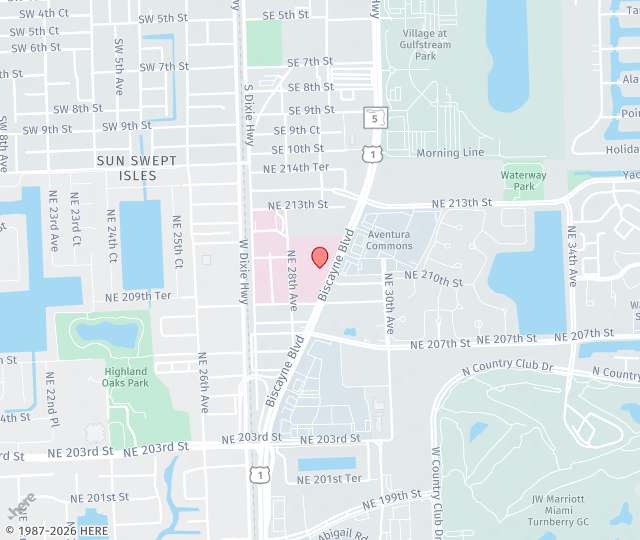
Schedule your consultation with Dr. Baotram Tran in Aventura to determine whether breast fat transfer is appropriate for you.
REQUEST A CONSULTATION
Please use this form for general information purposes only. DO NOT send personal health information through this form. Specific patient care must be addressed during your appointment.
Please complete the following form to request an appointment. Please also note that availability will vary depending on your request. Your appointment will be confirmed by phone by a member of our staff. Thank you!