Remove Loose Abdominal Skin and Create a Flatter, More Defined Male Abdomen
Men can develop significant abdominal changes from:
- Weight gain and loss
- Major weight loss
- Aging
- Genetics
- Previous obesity
- Abdominal wall laxity
- Changes in skin elasticity
Even men who exercise regularly and maintain a healthy weight may be left with:
- Loose lower abdominal skin
- Hanging abdominal tissue
- Persistent abdominal fullness
- Diastasis recti
- A poorly defined waist
- Excess flank fat
- Skin laxity after major weight loss
- Changes around previous abdominal scars
A male tummy tuck, also known as male abdominoplasty, removes excess abdominal skin and can tighten the abdominal wall when laxity or muscle separation is present.
When appropriate, it may be combined with Liposuction to improve the waist, flanks, and surrounding torso contour.
Dr. Baotram Tran individualizes male tummy tuck surgery according to skin excess, abdominal wall anatomy, fat distribution, waist shape, scars, weight history, and overall male body proportions.
The goal is not simply to make the abdomen smaller. It is to create a flatter, firmer abdominal contour while preserving a natural masculine torso shape.
What Is a Male Tummy Tuck?
A male tummy tuck is an abdominoplasty performed with attention to male abdominal proportions and contour.
The procedure may address:
- Loose abdominal skin
- Lower abdominal skin redundancy
- Hanging abdominal tissue
- Diastasis recti
- Abdominal wall laxity
- Selected abdominal fat
- Flank fullness
- Changes after major weight loss
- Previous abdominal scars
The operation generally removes excess skin from the lower abdomen and tightens the abdominal wall when necessary.
A full tummy tuck usually also involves repositioning the existing belly button through the redraped abdominal skin.
How Is a Male Tummy Tuck Different from a Female Tummy Tuck?
The surgical principles are similar, but the desired proportions may differ.
Many male patients prefer:
- A flatter abdominal profile
- A straighter waist
- Defined lateral abdominal contours
- Preservation of a masculine torso
- Better transition between the chest, abdomen, and waist
Female body contouring may more commonly emphasize a narrowed waist and greater waist-to-hip contrast.
Male body contouring generally focuses on creating a firm, athletic, proportionate torso without feminizing the waistline.
The surgical design should reflect the patient's natural anatomy and goals rather than applying the same contour to every patient.
What Causes Loose Abdominal Skin in Men?
Loose abdominal skin can result from:
- Major weight loss
- Repeated weight gain and loss
- Aging
- Genetics
- Longstanding obesity
- Reduced skin elasticity
- Previous surgery
Once abdominal skin has been significantly stretched, exercise cannot remove it.
Exercise may strengthen the abdominal muscles and improve body composition, but it cannot excise redundant skin.
Male Tummy Tuck After Major Weight Loss
Men who lose a large amount of weight may be left with significant abdominal skin excess.
This can include:
- Hanging lower abdominal skin
- Abdominal folds
- Skin irritation
- Rashes
- Difficulty with hygiene
- Difficulty fitting clothing
- Loose flank or lower-back skin
- Poor abdominal definition
A male tummy tuck may be appropriate when the excess skin is concentrated primarily across the front of the abdomen.
Men with more extensive skin excess involving several body areas may benefit from a staged Post Weight Loss Surgery plan.
What Is Diastasis Recti in Men?
Diastasis recti refers to widening between the paired rectus abdominal muscles.
Although pregnancy is a common cause in women, men can also develop abdominal wall laxity or diastasis.
Possible contributing factors include:
- Longstanding obesity
- Major weight changes
- Increased intra-abdominal pressure
- Aging
- Genetics
- Previous abdominal stretching
Men may notice:
- A persistent abdominal bulge
- Reduced abdominal firmness
- Midline widening
- A rounded abdominal contour despite weight loss
During tummy tuck surgery, the abdominal fascia can be tightened when appropriate.
Can a Male Tummy Tuck Repair Diastasis Recti?
Yes.
When abdominal wall laxity or diastasis is present, the fascia can be tightened during abdominoplasty.
This may improve:
- Abdominal firmness
- Central abdominal contour
- Abdominal projection
- Waist definition
Not every male tummy tuck patient needs fascial tightening.
The need is determined by physical examination.
Male Tummy Tuck vs. Liposuction
Male tummy tuck and liposuction treat different problems.
Male Tummy Tuck
Primarily treats:
- Loose skin
- Hanging abdominal tissue
- Abdominal wall laxity
- Diastasis recti
Liposuction
Primarily treats:
- Localized subcutaneous fat
Liposuction can improve:
- Abdomen
- Waist
- Flanks
- Love handles
- Back
but it cannot remove significant excess skin or repair abdominal wall laxity.
Can Liposuction Replace a Male Tummy Tuck?
Sometimes—but only when skin elasticity is good and fat is the main concern.
Liposuction may be appropriate if you have:
- Localized abdominal fat
- Good skin elasticity
- Minimal loose skin
- No significant abdominal wall laxity
A tummy tuck is more appropriate when there is:
- Significant loose skin
- Hanging abdominal tissue
- Poor skin contraction
- Diastasis recti
- Abdominal wall laxity
If liposuction is performed aggressively in a patient with poor skin elasticity, loose skin may become more noticeable.
Male Tummy Tuck with Liposuction
Liposuction can complement male abdominoplasty when selected fat deposits are also present.
Common treatment areas may include:
- Flanks
- Love handles
- Waist
- Lower back
- Selected abdominal areas
The amount and location of liposuction are individualized according to:
- Skin blood supply
- Fat distribution
- Skin quality
- Surgical technique
- Overall treatment plan
The objective is to improve the entire torso contour rather than simply remove lower abdominal skin.
Can a Male Tummy Tuck Improve Love Handles?
Yes, when flank fullness is caused by subcutaneous fat.
A tummy tuck does not automatically remove all fat from the flanks.
Liposuction may be added to improve:
- Love handles
- Waist contour
- Transition between the abdomen and back
If loose skin extends significantly around the sides or back, a more extensive body-contouring procedure may be necessary.
Can a Male Tummy Tuck Create a Six-Pack?
No.
A tummy tuck can improve:
- Loose skin
- Abdominal flatness
- Abdominal wall firmness
- Selected fat deposits
but it does not build abdominal muscle.
Visible abdominal definition depends on:
- Muscle development
- Body-fat percentage
- Genetics
- Skin thickness
- Fat distribution
Surgery may make existing muscular anatomy more visible by removing excess skin and selected fat, but it does not create muscle that is not already present.
What Happens to the Belly Button?
During a full male tummy tuck, the belly button usually remains attached to the abdominal wall.
The surrounding skin is repositioned.
A new opening is created in the redraped skin so the existing belly button can emerge through it.
Attention is given to:
- Position
- Shape
- Size
- Depth
- Scar placement
- Natural appearance
A natural-looking belly button is important to the overall abdominal result.
Full Male Tummy Tuck
A full male tummy tuck is generally appropriate when loose skin extends both above and below the belly button.
The procedure may involve:
- Lower abdominal incision
- Skin and tissue elevation
- Abdominal wall tightening when indicated
- Removal of excess skin
- Belly-button transposition
- Selected liposuction
The scar typically extends across the lower abdomen.
The exact length depends on the amount of skin that must be removed.
Mini Male Tummy Tuck
A mini tummy tuck may be appropriate for selected men with:
- Limited loose skin
- Laxity mainly below the belly button
- Minimal abdominal wall laxity
- Favorable belly-button anatomy
A mini tummy tuck does not provide the same degree of correction as a full abdominoplasty.
It should not be selected simply because the scar is shorter.
The procedure must match the anatomy.
Extended Male Tummy Tuck
An extended tummy tuck may be appropriate when loose skin extends farther toward the flanks.
This may occur after:
- Major weight loss
- Longstanding obesity
- Significant skin stretching
The incision is longer than that of a standard tummy tuck, but it allows a broader area of redundant skin to be removed.
Fleur-de-Lis Male Tummy Tuck
Men after major weight loss may have loose skin in both horizontal and vertical directions.
A fleur-de-lis tummy tuck adds a vertical abdominal incision to the lower horizontal scar.
This allows more extensive:
- Skin removal
- Central narrowing
- Abdominal reshaping
The tradeoff is a permanent vertical scar.
This technique is reserved for patients whose skin excess is substantial enough to justify the additional scar.
Who Is a Good Candidate for Male Tummy Tuck Surgery?
You may be a candidate if you have:
- Loose abdominal skin
- Hanging lower abdominal tissue
- Diastasis recti
- Abdominal wall laxity
- Skin excess after major weight loss
- Persistent abdominal contour concerns despite stable weight
- Realistic expectations regarding scars
Good candidates should also:
- Be in appropriate health for elective surgery
- Have relatively stable weight
- Avoid nicotine
- Have medical conditions such as diabetes or hypertension appropriately controlled
- Understand postoperative activity restrictions
- Have adequate help during early recovery
Who May Need to Delay Surgery?
Surgery may need to be postponed if you:
- Plan substantial additional weight loss
- Have unstable body weight
- Use nicotine
- Have uncontrolled diabetes
- Have uncontrolled hypertension
- Have medical conditions that increase surgical risk
- Cannot comply with postoperative restrictions
- Do not have adequate recovery support
The goal is to operate when the patient's health and weight are reasonably optimized.
Male Tummy Tuck After Bariatric Surgery
Men who have undergone bariatric surgery may be candidates once:
- Active weight loss has slowed
- Weight is relatively stable
- Nutritional status is appropriate
- Medical conditions are controlled
Significant post-bariatric skin excess may involve more than the abdomen.
A staged Post Weight Loss Surgery plan may therefore be more appropriate than trying to address multiple major body regions during one operation.
Can a Male Tummy Tuck Be Combined with Other Procedures?
Selected procedures can be combined when the overall surgical plan remains appropriate.
A male tummy tuck may commonly be combined with:
- Liposuction
- Selected chest contouring
- Gynecomastia Surgery in appropriately selected patients
However, Dr. Tran does not recommend combining a tummy tuck with an arm lift or thigh lift during the same operation.
These procedures place restrictions on different major body regions and can make postoperative mobility and self-care substantially more difficult.
When a patient needs abdominal, arm, or thigh skin removal, Dr. Tran generally recommends a staged Post Weight Loss Surgery plan.
The goal is not to perform the greatest number of procedures at once. It is to choose combinations that allow a safe and manageable recovery.
Male Tummy Tuck with Gynecomastia Surgery
Selected men may have both:
- Abdominal skin excess
- Enlarged male breast tissue
In appropriate patients, Gynecomastia Surgery may be considered with abdominal contouring.
The decision depends on:
- Extent of chest surgery
- Extent of abdominal surgery
- Operative time
- Overall health
- Recovery requirements
More extensive procedures may still be better performed in separate stages.
Your Male Tummy Tuck Consultation
During your consultation, Dr. Baotram Tran will evaluate:
- Abdominal skin laxity
- Amount of lower abdominal skin excess
- Abdominal wall firmness
- Diastasis recti
- Abdominal fat
- Waist and flank contour
- Love handles
- Belly-button anatomy
- Previous scars
- Weight-loss history
- Current weight stability
- Previous bariatric surgery
- Medical history
- Diabetes
- Hypertension
- Nicotine use
- Blood-clot risk
- Overall male torso proportions
Your treatment plan may include:
- Full Male Tummy Tuck
- Mini Male Tummy Tuck
- Extended Male Tummy Tuck
- Fleur-de-Lis Abdominoplasty
- Abdominal Wall Repair
- Liposuction
- Gynecomastia Surgery
- Post Weight Loss Surgery
- Or another individualized male body-contouring approach
The most important step is determining whether your abdominal contour is affected primarily by loose skin, fat, abdominal wall laxity, or a combination of these factors.
The Male Tummy Tuck Procedure
Male tummy tuck surgery is generally performed under general anesthesia.
A low horizontal incision is created across the lower abdomen.
The length depends on the amount and distribution of excess skin.
The abdominal skin and soft tissues are carefully elevated.
If abdominal wall laxity or diastasis is present, the fascia may be tightened.
Excess skin is removed.
The remaining skin is redraped.
The belly button is brought through a carefully designed opening when a full tummy tuck is performed.
Selected Liposuction may also be performed according to the surgical plan.
Attention is given to:
- Abdominal flatness
- Masculine waist contour
- Belly-button appearance
- Scar position
- Flank contour
- Skin tension
- Overall torso proportions
Will I Need Drains?
Not every male tummy tuck requires the same drain strategy.
Drains may be used to reduce fluid accumulation beneath the abdominal tissues.
Whether drains are used depends on:
- Surgical technique
- Extent of dissection
- Amount of skin removal
- Liposuction
- Individual anatomy
If drains are used, they are removed according to drainage output and healing rather than according to one fixed timeline.
Male Tummy Tuck Scars
A male tummy tuck creates a permanent lower abdominal scar.
The scar generally extends across the lower abdomen.
More extensive skin excess requires a longer incision.
A full tummy tuck also creates a scar around the belly button.
Early scars may appear:
- Pink
- Red
- Firm
- Raised
- More noticeable than expected
They generally soften and fade over time.
Final scar appearance depends on:
- Genetics
- Skin type
- Healing
- Incision tension
- Nicotine exposure
- Scar biology
- Postoperative care
Male Tummy Tuck Before & After Photos
Before-and-after photographs can help demonstrate how male abdominal anatomy responds to surgery.
When reviewing results, consider:
- Starting amount of loose skin
- Weight-loss history
- Abdominal wall laxity
- Amount of abdominal fat
- Waist and flank contour
- Scar length
- Whether liposuction was performed
View Male Tummy Tuck Before & After Photos
Recovery After Male Tummy Tuck Surgery
Recovery depends on the extent of skin removal, abdominal wall repair, liposuction, and whether another procedure is performed.
The First Few Days
Patients may experience:
- Abdominal tightness
- Swelling
- Bruising
- Soreness
- Fatigue
- Temporary numbness
- Difficulty standing completely upright
Light walking begins early.
Patients should have a responsible adult available during early recovery.
The First Week
Movement gradually becomes easier.
Patients may continue to walk slightly flexed because of abdominal tightness.
A compression garment or abdominal binder may be recommended.
If drains are used, patients will receive instructions for drain care.
Two to Three Weeks
Many patients become substantially more independent.
Some men with desk-based or non-physical jobs may begin returning to work during this period.
Swelling remains and the abdomen is not yet at its final contour.
Four to Six Weeks
Activity is gradually increased according to healing.
Heavy lifting, strenuous core exercise, and aggressive abdominal workouts remain restricted until adequate healing has occurred.
Several Months
Swelling continues to decrease.
The abdomen softens.
Scars begin to mature.
The final contour becomes increasingly apparent.
When Can I Return to the Gym?
Walking starts early.
More strenuous exercise is resumed gradually.
The exact timeline depends on:
- Abdominal wall repair
- Extent of surgery
- Liposuction
- Healing
- Type of exercise
Heavy lifting and abdominal resistance training require more healing time than routine walking.
Blood-Clot Prevention
Tummy tuck surgery carries a recognized risk of deep-vein thrombosis and pulmonary embolism.
Risk reduction may include:
- Early walking
- Sequential compression devices
- Hydration
- Individual risk assessment
- Blood-thinning medication when appropriate
Maintaining mobility during recovery is one reason Dr. Tran does not recommend combining tummy tuck surgery with major arm or thigh skin-removal procedures.
How Long Does Swelling Last?
Swelling is expected after male abdominoplasty.
Most visible swelling improves gradually over the first several weeks.
Residual swelling can persist for several months.
The lower abdomen may remain swollen longer than other areas.
Final results should not be judged during early recovery.
How Long Do Results Last?
Male tummy tuck results can be long-lasting.
However, abdominal contour can still change with:
- Weight gain
- Weight loss
- Aging
- Changes in skin elasticity
Maintaining a stable weight and healthy lifestyle helps preserve the result.
Male Tummy Tuck Investment
Estimated Investment: $10,000–$15,000
The investment for male tummy tuck surgery varies according to the amount of skin excess, abdominal wall treatment, and overall surgical complexity.
Factors that may affect your individualized investment include:
- Full versus mini tummy tuck
- Extended or fleur-de-lis abdominoplasty
- Amount of excess skin
- Whether abdominal wall repair is needed
- Whether Liposuction is added
- Number of additional contouring areas
- Anesthesia and operating room requirements
- Whether an appropriate additional procedure is performed at the same time
Following your consultation with Dr. Baotram Tran, you will receive a personalized surgical plan and detailed quote based on your anatomy and goals.
Financing options may be available for qualified patients.
Is Male Tummy Tuck Surgery Covered by Insurance?
A cosmetic male tummy tuck is generally considered elective and is typically not covered by insurance.
In selected patients with a large abdominal pannus and documented functional or medical problems, a panniculectomy may sometimes meet insurance medical-necessity requirements.
A panniculectomy is not the same as a cosmetic tummy tuck.
Cosmetic abdominoplasty may include:
- Abdominal wall repair
- Belly-button repositioning
- Waist contouring
- Additional body shaping
Insurance coverage varies according to the individual plan.
Male Tummy Tuck Myths and Misconceptions
Myth: Tummy Tuck Surgery Is Only for Women
No.
Men commonly develop excess abdominal skin and abdominal wall laxity after aging or major weight changes.
Myth: A Male Tummy Tuck Is Exactly the Same Aesthetically as a Female Tummy Tuck
The surgical principles are similar, but the desired proportions may differ.
Male contouring generally emphasizes a flatter abdomen and masculine torso shape rather than creating exaggerated waist-to-hip curves.
Myth: Liposuction Can Fix All Loose Abdominal Skin
No.
Liposuction removes fat.
It cannot remove significant redundant skin.
Myth: Exercise Can Remove Loose Skin
No.
Exercise improves muscle and body composition but cannot excise stretched skin.
Myth: A Tummy Tuck Will Give Me a Six-Pack
No.
The procedure can improve the contour over existing muscles but does not create muscle definition.
Myth: Every Male Tummy Tuck Requires Two Drains
No.
Drain use depends on surgical technique and anatomy.
Myth: A Mini Tummy Tuck Is Better Because It Has a Smaller Scar
Not necessarily.
A mini tummy tuck is effective only when the anatomy requires limited correction.
Myth: Tummy Tuck and Arm Lift Should Be Done Together to Save Recovery Time
No.
Dr. Tran does not recommend combining tummy tuck and arm lift surgery during the same operation.
The recovery restrictions from both procedures can make mobility and self-care much more difficult.
Myth: Tummy Tuck and Thigh Lift Should Be Done Together
No.
Dr. Tran generally recommends staging these procedures so the patient can maintain better mobility during recovery.
Myth: Results Are Permanent Regardless of Weight Gain
No.
Significant weight changes can alter the abdominal contour after surgery.
Frequently Asked Questions About Male Tummy Tuck Surgery
What Is a Male Tummy Tuck?
A male tummy tuck removes excess abdominal skin and can tighten the abdominal wall to create a flatter and firmer male abdomen.
Is Male Tummy Tuck Different from Female Tummy Tuck?
The basic operation is similar, but the desired contour may differ.
Male surgery generally emphasizes a straight, athletic, masculine torso.
Can a Tummy Tuck Remove Belly Fat?
Some fat may be removed with the excised skin.
Additional Liposuction may be used for selected fat deposits.
Can Liposuction Replace a Tummy Tuck?
Only when excess fat is the primary problem and skin elasticity remains good.
Significant loose skin generally requires skin removal.
Can a Male Tummy Tuck Fix Diastasis Recti?
Yes.
Abdominal wall laxity can be repaired when present.
Can It Fix Love Handles?
A tummy tuck alone may not fully address flank fat.
Liposuction may be added when appropriate.
Can a Male Tummy Tuck Give Me Abs?
It can improve abdominal flatness and may make existing muscular anatomy more visible, but it does not create abdominal muscle.
Will I Have a Scar?
Yes.
Male tummy tuck surgery creates a permanent lower abdominal scar.
A full tummy tuck also creates a scar around the belly button.
Will My Belly Button Be Recreated?
Usually not.
The existing belly button remains attached internally and is brought through a new opening in the redraped skin.
Can I Have a Mini Tummy Tuck?
Possibly.
A mini tummy tuck is appropriate only when skin excess is limited primarily to the lower abdomen.
Can Male Tummy Tuck Be Combined with Liposuction?
Yes.
Liposuction is commonly used to improve the waist and flank contour when appropriate.
Can It Be Combined with Gynecomastia Surgery?
Sometimes.
Gynecomastia Surgery may be combined with abdominal contouring in appropriately selected patients when the overall surgical extent remains reasonable.
Can I Have an Arm Lift at the Same Time?
Dr. Tran generally does not recommend combining tummy tuck and arm lift surgery during the same operation.
Can I Have a Thigh Lift at the Same Time?
Dr. Tran generally recommends staging tummy tuck and thigh lift surgery separately.
Will I Need Drains?
Possibly.
Drain use depends on the technique and extent of surgery.
Is Male Tummy Tuck Outpatient?
Many male tummy tuck procedures are performed as outpatient surgery.
The appropriate surgical setting depends on the patient and extent of surgery.
How Long Is Recovery?
Many patients begin returning to non-strenuous work within approximately two to three weeks.
Heavy lifting and strenuous exercise require a longer recovery.
When Can I Walk?
Walking begins early after surgery and is an important part of recovery.
When Can I Stand Completely Straight?
Patients often walk somewhat flexed during early healing.
Standing fully upright becomes easier as abdominal tightness improves.
When Can I Work Out?
Exercise is resumed gradually after healing and clearance.
Heavy lifting and core exercise require more time than walking.
How Long Does Swelling Last?
Most swelling improves over several weeks, but residual swelling may continue for several months.
How Much Does a Male Tummy Tuck Cost?
The estimated investment for male tummy tuck surgery is $10,000–$15,000.
The final investment depends on the extent of skin removal, abdominal wall repair, liposuction, and overall surgical complexity.
What Are the Risks of Male Tummy Tuck Surgery?
Potential risks include:
- Bleeding
- Hematoma
- Infection
- Seroma
- Delayed wound healing
- Wound separation
- Skin loss
- Fat necrosis
- Unfavorable scarring
- Abdominal asymmetry
- Contour irregularities
- Changes in sensation
- Persistent numbness
- Persistent pain
- Unsatisfactory belly-button appearance
- Recurrent skin laxity
- Need for revision surgery
- Deep-vein thrombosis
- Pulmonary embolism
- Cardiopulmonary complications
- Anesthesia-related complications
Individual risks vary according to health, anatomy, nicotine exposure, procedure extent, and other factors.
Why Choose Dr. Baotram Tran?
Male Abdominal Contouring Should Preserve Masculine Proportions
Male tummy tuck surgery is not simply a female tummy tuck performed on a man.
The abdominal wall, waist, chest, fat distribution, skin excess, and desired body proportions all influence the surgical plan.
As a double board-certified plastic surgeon, Dr. Baotram Tran approaches male tummy tuck surgery with attention to:
- Male abdominal anatomy
- Abdominal skin excess
- Diastasis recti
- Abdominal wall firmness
- Waist and flank contour
- Love handles
- Belly-button shape
- Previous weight loss
- Previous bariatric surgery
- Scar placement
- Appropriate use of liposuction
- Preservation of masculine torso proportions
- Avoidance of excessive waist narrowing
- Blood-clot risk
- Recovery requirements
- Appropriate staging of major body-contouring procedures
Dr. Tran does not recommend combining tummy tuck surgery with arm lift or thigh lift during the same operation.
When several body areas require treatment after major weight loss, a staged Post Weight Loss Surgery plan is generally preferred.
The goal is to create a flatter, firmer abdomen and more defined torso while preserving natural male proportions and keeping the recovery manageable.
Schedule Your Consultation
If weight loss, aging, or genetics have left you with loose abdominal skin, abdominal wall laxity, persistent lower abdominal fullness, or love handles, male tummy tuck surgery may provide meaningful improvement.
During your consultation, Dr. Baotram Tran will evaluate your abdominal skin, abdominal wall, fat distribution, waist, flanks, scars, weight stability, health, and overall torso proportions.
Your individualized treatment plan may include:
- Full Male Tummy Tuck
- Mini Male Tummy Tuck
- Extended Male Tummy Tuck
- Fleur-de-Lis Abdominoplasty
- Diastasis Recti Repair
- Liposuction
- Gynecomastia Surgery
- Post Weight Loss Surgery
- Or another individualized male body-contouring procedure
The appropriate treatment depends on whether your abdominal concern is caused by loose skin, fat, abdominal wall laxity, or a combination of these factors.
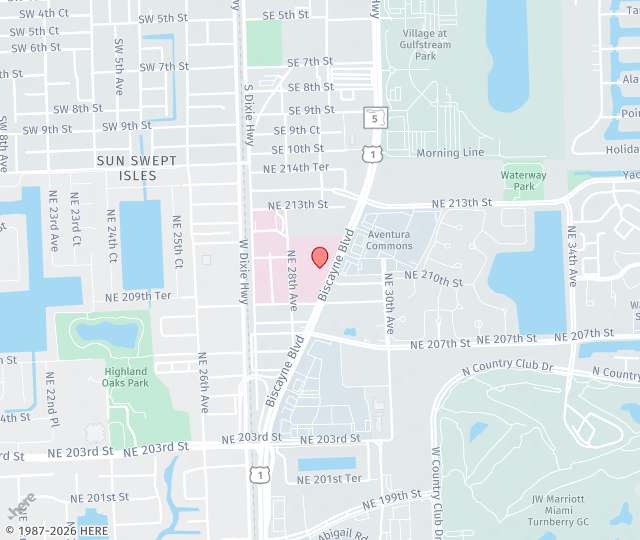
Schedule your consultation with Dr. Baotram Tran in Aventura to discuss your male tummy tuck options.
REQUEST A CONSULTATION
Please use this form for general information purposes only. DO NOT send personal health information through this form. Specific patient care must be addressed during your appointment.
Please complete the following form to request an appointment. Please also note that availability will vary depending on your request. Your appointment will be confirmed by phone by a member of our staff. Thank you!