Remove Excess Skin and Restore Body Contour After Major Weight Loss
Major weight loss can significantly improve health, mobility, and quality of life.
However, when a substantial amount of weight is lost, the skin and supporting tissues may not fully contract to the body's new size.
Patients may be left with:
- Loose abdominal skin
- Hanging skin folds
- Excess upper-arm skin
- Inner-thigh laxity
- Deflated or sagging breasts
- Back and bra-roll skin
- Lateral chest laxity
- Lower-body skin redundancy
- Skin irritation or rashes
- Difficulty finding clothing that fits properly
Post weight loss surgery, also known as body contouring after major weight loss, is not one operation.
It is a customized and often staged group of procedures designed to remove excess skin, reshape the body, and improve proportions after substantial weight reduction.
Weight loss may have occurred through:
- Bariatric surgery
- GLP-1 or other medical weight-loss treatment
- Diet and lifestyle changes
- A combination of approaches
Dr. Baotram Tran develops an individualized surgical sequence according to the areas of greatest concern, amount of excess skin, nutritional status, overall health, scars, body proportions, and recovery needs.
The goal is not to correct every area during one operation. It is to create a safe, logical sequence of procedures that produces meaningful improvement while allowing each area to heal appropriately.
What Is Post Weight Loss Surgery?
Post weight loss surgery refers to plastic surgery performed after substantial weight loss to remove loose skin and reshape areas that no longer match the patient's smaller body.
Common treatment areas include:
- Abdomen
- Waist
- Lower body
- Upper arms
- Breasts
- Chest
- Back
- Inner thighs
- Lateral torso
Some patients need only one procedure.
Others may require several operations performed in stages.
Your plan may include:
- Tummy Tuck
- Fleur-de-Lis Abdominoplasty
- Circumferential Body Lift
- Arm Lift
- Thigh Lift
- Breast Lift
- Breast Reduction
- Breast Lift with Implants
- Back or Bra-Roll Excision
- Liposuction
- Or a staged combination based on your anatomy
Why Does Loose Skin Remain After Weight Loss?
Skin has a limited ability to contract.
When the body has remained at a larger size for a prolonged period, the skin and supporting tissues may become permanently stretched.
The degree of loose skin after weight loss depends on:
- Amount of weight lost
- Length of time at a higher weight
- Age
- Genetics
- Skin elasticity
- Pregnancy history
- Previous weight fluctuations
- Sun exposure
- Nicotine exposure
- Distribution of the previous weight
Exercise can strengthen underlying muscles and improve body composition, but it cannot remove significantly stretched skin.
Who Is a Good Candidate for Post Weight Loss Surgery?
You may be a candidate if you have:
- Significant loose or hanging skin
- Skin folds causing irritation or rashes
- Difficulty with hygiene
- Difficulty exercising because of excess skin
- Upper-arm laxity
- Abdominal skin redundancy
- Breast deflation or sagging
- Inner-thigh skin excess
- Back or bra-roll skin folds
- Stable or near-stable weight
- Realistic expectations regarding scars and staging
Good candidates should also:
- Be in appropriate health for elective surgery
- Have completed the active phase of major weight loss
- Have adequate nutritional status
- Avoid nicotine
- Have medical conditions appropriately controlled
- Understand that multiple procedures may be required
Why Weight Stability Matters
Body-contouring surgery is best performed after weight has stabilized.
Continuing to lose a substantial amount of weight after surgery can create additional loose skin.
Significant weight gain can stretch the remaining tissues and alter the result.
Rather than using one fixed number of months for every patient, Dr. Tran evaluates whether:
- The active weight-loss phase is complete
- Weight has become reasonably stable
- Nutritional status is adequate
- The patient is able to maintain the current weight
Patients following bariatric surgery or medical weight-loss treatment may require coordination with their primary physician or weight-management team.
Nutrition Before Body Contouring
Nutrition is especially important after major weight loss.
Patients may have deficiencies involving:
- Protein
- Iron
- Vitamin B12
- Folate
- Vitamin D
- Other vitamins or minerals
Poor nutritional status can interfere with:
- Wound healing
- Immune function
- Scar formation
- Recovery
- Tissue strength
Laboratory evaluation or medical optimization may be recommended before extensive skin-removal surgery.
The body must have adequate nutritional resources to heal a large surgical procedure.
Post Weight Loss Surgery After Bariatric Surgery
Patients who have undergone bariatric surgery may be excellent candidates for body contouring once weight and nutrition have stabilized.
The evaluation may include:
- Current weight
- Weight-loss history
- Bariatric procedure performed
- Nutritional status
- Protein intake
- Vitamin supplementation
- Anemia
- Medical conditions
- Previous abdominal scars
Medical clearance may be recommended when appropriate.
Post Weight Loss Surgery After GLP-1 Weight Loss
Significant weight loss is increasingly achieved with medications such as GLP-1-based therapies.
The pattern of skin laxity after medication-assisted weight loss can be similar to that seen after bariatric surgery or lifestyle-related weight loss.
Patients may develop:
- Abdominal skin redundancy
- Deflated breasts
- Loose arms
- Loose thighs
- Changes in the face and neck
- Back and lateral chest laxity
The surgical principles are the same: weight should be reasonably stable, health and nutrition should be optimized, and procedures should be prioritized appropriately.
Medication management around surgery will be individualized according to current medical and anesthesia recommendations.
Tummy Tuck After Major Weight Loss
A Tummy Tuck, or abdominoplasty, may be appropriate when loose skin is concentrated primarily across the front of the abdomen.
The procedure may address:
- Lower abdominal skin
- Hanging abdominal tissue
- Previous scars
- Abdominal wall laxity
- Selected muscle separation
- Changes around the belly button
Patients with excess skin extending significantly around the waist may require a more extensive procedure.
Fleur-de-Lis Tummy Tuck
After major weight loss, abdominal skin may be loose in both the vertical and horizontal directions.
A fleur-de-lis abdominoplasty adds a vertical midline scar to the standard lower abdominal incision.
This allows more extensive narrowing and skin removal.
It may be particularly useful when there is:
- Significant central abdominal skin excess
- Both vertical and horizontal laxity
- Major weight-loss changes
- Poor waist definition caused by redundant skin
The tradeoff is a permanent vertical abdominal scar.
For appropriately selected patients, the improvement in contour may justify the additional scar.
Circumferential Body Lift
A circumferential body lift treats loose tissue around the lower torso.
Depending on the anatomy, it may improve:
- Abdomen
- Waist
- Lateral thighs
- Lower back
- Buttock position
- Circumferential lower-body skin excess
This is substantially more extensive than a traditional tummy tuck.
Patients considering a body lift should be prepared for:
- Longer scars
- Greater recovery requirements
- More extensive postoperative restrictions
The procedure should be selected only when the amount and distribution of loose skin justify the additional surgery.
Arm Lift After Weight Loss
Loose upper-arm skin is common after major weight loss.
An Arm Lift, or brachioplasty, removes excess upper-arm skin and may be combined with selected liposuction.
The incision may extend:
- Near the armpit
- Along the inner upper arm
- Toward the elbow
- Into the lateral chest when necessary
The scar length depends on how much loose skin must be removed.
Thigh Lift After Weight Loss
An Thigh Lift may improve loose skin of the inner thighs.
Patients may seek treatment because of:
- Hanging inner-thigh skin
- Friction
- Skin irritation
- Poor contour
- Difficulty fitting clothing
The incision pattern depends on the amount and location of excess skin.
Some patients need a limited groin incision.
Others require a more extensive vertical inner-thigh incision.
Breast Surgery After Major Weight Loss
Breasts may change dramatically after substantial weight loss.
Patients may develop:
- Deflation
- Breast sagging
- Low nipple position
- Loose breast skin
- Loss of upper-pole fullness
- Significant asymmetry
The correct breast operation depends on whether the patient wants:
- Reshaping
- More volume
- Less volume
- Or a combination
Breast Lift After Weight Loss
A Breast Lift may be appropriate when adequate breast tissue remains but the breast has become significantly deflated or sagging.
A lift reshapes and repositions the existing breast tissue without automatically adding an implant.
Breast Lift with Implants After Weight Loss
Some patients have both:
- Significant sagging
- Loss of breast volume
In these cases,Breast Lift with Implants may restore both breast position and additional volume.
Implant size should be selected carefully because previously stretched tissues may have less ability to support heavy implants.
Breast Reduction After Weight Loss
Some patients still have relatively large or heavy breasts even after significant weight reduction.
A Breast Reduction may decrease breast size while lifting and reshaping the remaining breast.
Back and Bra-Roll Skin Removal
Loose folds may remain across the upper or mid-back after major weight loss.
Depending on the severity, treatment may involve:
- Liposuction when fat is the primary issue
- Direct skin excision
- Extension of another body-contouring procedure
Significant loose skin usually cannot be corrected with liposuction alone.
Liposuction After Major Weight Loss
Liposuction may be useful for selected residual fat deposits.
However, liposuction is not a substitute for skin removal when significant laxity is present.
In a patient with poor skin elasticity, aggressive liposuction may make loose skin more noticeable.
For this reason, Dr. Tran determines whether the concern is primarily:
- Fat
- Excess skin
- Both fat and skin
before recommending treatment.
Why Post Weight Loss Surgery Is Often Staged
Patients who have lost a large amount of weight frequently have concerns involving several different areas.
It may be tempting to correct everything during one operation.
However, more surgery is not automatically better.
Staging may provide advantages by:
- Limiting operative time
- Making postoperative mobility easier
- Allowing patients to protect healing incisions
- Reducing the physical demands of recovery
- Allowing one region to heal before another is treated
- Making it easier to evaluate the result before planning the next stage
Post weight loss surgery should be thought of as a treatment plan rather than one giant operation.
Which Procedures Can Be Combined?
Selected procedures may be combined when their recovery requirements complement one another and the overall surgical extent remains appropriate.
For example, an Arm Lift may sometimes be combined with selected breast surgery.
However, Dr. Tran does not recommend performing a tummy tuck or body lift together with an arm lift or thigh lift during the same operation.
Treating the abdomen and extremities simultaneously can make mobility, positioning, transfers, personal care, and protection of healing incisions substantially more difficult during recovery.
When these areas all require treatment, Dr. Tran generally recommends a staged surgical plan.
The goal is not to maximize the number of procedures performed at once. It is to organize them in a sequence that allows each area to heal safely and predictably.
Can an Arm Lift and Tummy Tuck Be Done Together?
Although technically possible, Dr. Tran generally recommends performing these procedures separately.
A tummy tuck restricts abdominal movement and lifting.
An arm lift restricts pushing, pulling, and upper-body activity.
Combining both can make basic postoperative activities substantially more difficult.
A staged approach generally provides a more manageable recovery.
Can a Thigh Lift and Tummy Tuck Be Done Together?
Dr. Tran generally does not recommend combining a thigh lift and tummy tuck during the same operation.
Both procedures involve significant skin removal and place restrictions on mobility, positioning, and movement.
Performing them separately allows the patient to recover from one major body region before treating another.
Can an Arm Lift and Thigh Lift Be Done Together?
Dr. Tran generally prefers to stage these procedures.
When both the arms and legs are healing at the same time, mobility and self-care can become substantially more difficult.
A staged approach allows patients to use unaffected extremities more normally during recovery.
How Are Procedures Prioritized?
There is no single order that is appropriate for every patient.
Dr. Tran considers:
- Which area bothers the patient most
- Functional concerns
- Skin irritation
- Anatomy
- Existing scars
- Surgical complexity
- Recovery support
- Mobility
- Overall health
- Future procedures
Some patients prioritize the abdomen first.
Others are most bothered by the breasts or arms.
The sequence should reflect both patient priorities and surgical practicality.
Scars After Post Weight Loss Surgery
Removing significant amounts of loose skin requires permanent scars.
Scar length generally increases with the amount of skin that must be removed.
Potential scars may include:
- Lower abdominal scars
- Vertical abdominal scars
- Circumferential lower-body scars
- Upper-arm scars
- Inner-thigh scars
- Breast-lift scars
- Back or lateral-chest scars
The goal is not to eliminate scars.
The goal is to place scars as strategically as possible while removing enough excess skin to create meaningful improvement.
Patients considering post weight loss surgery should understand and accept this tradeoff.
Your Post Weight Loss Surgery Consultation
During your consultation, Dr. Baotram Tran will evaluate the areas that concern you and determine how those procedures should be prioritized.
Evaluation may include:
- Abdomen
- Waist
- Lower back
- Buttocks
- Breasts
- Upper arms
- Lateral chest
- Back
- Inner thighs
- Existing scars
- Skin quality
- Areas of residual fat
- Weight stability
- Nutritional status
- Medical history
- Bariatric history
- Nicotine use
- Blood-clot risk
- Recovery support
Your treatment plan may involve one procedure or several staged operations.
Potential procedures include:
- Tummy Tuck
- Fleur-de-Lis Abdominoplasty
- Circumferential Body Lift
- Arm Lift
- Thigh Lift
- Breast Lift
- Breast Lift with Implants
- Breast Reduction
- Back or Bra-Roll Excision
- Liposuction
- Or another individualized body-contouring procedure
Recovery After Post Weight Loss Surgery
There is no single recovery timeline because post weight loss surgery can involve very different operations.
Recovery depends on:
- Procedure performed
- Amount of skin removed
- Number of areas treated
- Operative time
- Whether muscle repair is performed
- Individual healing
The First Few Days
Patients may experience:
- Swelling
- Bruising
- Tightness
- Soreness
- Fatigue
- Temporary numbness
- Limited mobility depending on the treatment area
Light walking generally begins early.
Assistance at home is important after more extensive procedures.
One to Two Weeks
Mobility progressively improves.
Some patients undergoing more limited procedures may return to non-strenuous work during this period.
More extensive body-contouring surgery generally requires longer recovery.
Several Weeks
Activity is gradually increased according to the procedure performed and individual healing.
Heavy lifting, strenuous exercise, or activity placing tension on the surgical incisions remains restricted.
Several Months
Swelling continues to improve.
Tissues soften.
Scars mature.
The final contour becomes increasingly apparent.
Will I Need Drains?
Drains may be used after some post weight loss procedures.
Their use depends on:
- Type of operation
- Extent of skin removal
- Surgical technique
- Amount of tissue dissection
- Individual anatomy
If drains are used, they are removed according to drainage output and healing rather than according to one fixed schedule.
Blood-Clot Prevention
Major body-contouring surgery carries a risk of deep-vein thrombosis and pulmonary embolism.
Risk may be influenced by:
- Procedure length
- Number of procedures
- Previous obesity
- Mobility
- Medical history
- Hormonal medications
- Individual risk factors
Preventive strategies may include:
- Early walking
- Sequential compression devices
- Hydration
- Individualized risk assessment
- Blood-thinning medication when appropriate
Another reason to stage extensive procedures is to limit surgical duration and allow easier postoperative mobility.
How Long Do Results Last?
Post weight loss body-contouring results can be long-lasting.
However, the body continues to change with:
- Aging
- Weight gain
- Weight loss
- Pregnancy
- Changes in skin elasticity
Maintaining a relatively stable weight helps preserve the result.
Significant future weight fluctuations may create new skin laxity.
Post Weight Loss Surgery Investment
Because post weight loss body contouring is highly individualized, there is no single price for every patient.
Estimated Investment Per Surgical Stage: $10,000–$25,000+
The investment depends on which procedure or procedures are performed during each stage.
Factors may include:
- Type of procedure
- Amount of skin removal
- Scar length
- Whether liposuction is added
- Surgical complexity
- Number of areas treated
- Anesthesia and operating room requirements
- Whether breast implants are used
- Whether a circumferential procedure is performed
- Whether reconstruction is performed in multiple stages
Patients requiring treatment of several areas should expect the total investment to reflect multiple separate surgical stages rather than one single procedure.
Following your consultation with Dr. Baotram Tran, you will receive a personalized surgical sequence and detailed quote for each recommended stage.
Financing options may be available for qualified patients.
Post Weight Loss Surgery Myths and Misconceptions
Myth: All Excess Skin Can Be Removed in One Operation
No.
Patients with loose skin in several body areas frequently require staged procedures.
Myth: Combining More Procedures Means a Better Result
No.
More extensive surgery can create a more difficult recovery and may increase risk.
The goal is the appropriate amount of surgery for each stage.
Myth: A Tummy Tuck, Arm Lift, and Thigh Lift Should Be Done Together to Save Recovery Time
No.
Dr. Tran generally recommends staging these procedures.
Healing the abdomen and multiple extremities simultaneously can make mobility and daily activities considerably more difficult.
Myth: Liposuction Can Remove All Loose Skin
No.
Liposuction removes fat.
It does not remove significant skin redundancy.
Myth: Exercise Will Tighten Major Loose Skin After Weight Loss
No.
Exercise can improve muscle tone and fitness but cannot remove significantly stretched skin.
Myth: The Shortest Scar Gives the Best Result
Not necessarily.
More extensive skin excess requires longer incisions.
Using too small an operation may leave significant untreated skin.
Myth: Post Weight Loss Surgery Is One Procedure
No.
It is a customized treatment plan that may involve several different surgeries over time.
Myth: Results Are Permanent Regardless of Future Weight
No.
Significant weight changes can alter the result.
Frequently Asked Questions About Post Weight Loss Surgery
What Is Post Weight Loss Surgery?
It is a customized group of body-contouring procedures used to remove excess skin and reshape the body after substantial weight loss.
How Much Weight Do I Need to Lose Before Surgery?
There is no universal amount.
The more important factors are whether your active weight-loss phase is complete, your weight is reasonably stable, and your nutritional and medical status are appropriate for surgery.
Do I Need to Be at My Goal Weight?
You do not need to reach one arbitrary number.
However, major additional weight loss after surgery may create new loose skin, so it is generally preferable to be near a sustainable weight.
How Long Should My Weight Be Stable?
There is no single interval that applies to every patient.
Dr. Tran evaluates the overall weight trend, nutritional status, and whether meaningful additional weight loss is expected.
Can I Have Surgery After Bariatric Surgery?
Yes.
Many post-bariatric patients undergo body contouring after weight and nutritional status have stabilized.
Can I Have Surgery After GLP-1 Weight Loss?
Yes.
Patients who lose substantial weight through medical therapy can develop the same types of loose skin seen after bariatric or lifestyle-related weight loss.
What Procedures Are Common After Major Weight Loss?
Common procedures include:
- Tummy Tuck
- Fleur-de-Lis Tummy Tuck
- Circumferential Body Lift
- Arm Lift
- Thigh Lift
- Breast Lift
- Breast Lift with Implants
- Breast Reduction
- Back or Bra-Roll Excision
Can Multiple Procedures Be Done Together?
Yes, selected procedures can be combined.
However, not all combinations are recommended.
Dr. Tran typically stages more extensive procedures to keep operative time and recovery manageable.
Can I Have an Arm Lift and Tummy Tuck at the Same Time?
Dr. Tran generally recommends performing them separately because both significantly restrict movement and activity during recovery.
Can I Have a Thigh Lift and Tummy Tuck Together?
Dr. Tran generally recommends staging these procedures.
Healing the abdomen and thighs simultaneously can make walking, sitting, positioning, and personal care substantially more difficult.
Can I Have an Arm Lift and Thigh Lift Together?
Dr. Tran generally prefers to stage these procedures so that patients have unaffected extremities available to assist with mobility and daily activities.
Can Arm Lift Be Combined with Breast Surgery?
Yes, selected arm and breast procedures may sometimes be combined when the overall surgical plan remains appropriate.
Will I Have Scars?
Yes.
Significant skin removal requires permanent scars.
Scar location and length depend on the procedure and amount of skin being removed.
Can Liposuction Replace Skin Removal?
Not when significant loose skin is present.
Liposuction removes fat but relies on skin contraction.
How Long Is Recovery?
Recovery depends entirely on the procedure performed.
More limited procedures may allow return to non-strenuous activities within a few weeks, while major body lifts or extensive skin-removal surgery require longer recovery.
Will I Need Drains?
Possibly.
Drain use varies according to procedure and surgical technique.
How Many Surgeries Will I Need?
Some patients need only one operation.
Patients with loose skin affecting several body regions may require multiple stages.
Which Area Should I Do First?
The order depends on your priorities, anatomy, health, mobility, and how each procedure affects recovery.
A staged plan is developed during consultation.
Will Insurance Pay for Skin Removal?
Most aesthetic contouring is not covered.
Panniculectomy may occasionally qualify for coverage when specific medical-necessity criteria are met.
How Much Does Post Weight Loss Surgery Cost?
The estimated investment is generally $10,000–$25,000+ per surgical stage.
The final investment depends on the procedure, amount of skin removal, operative complexity, and whether additional contouring is performed.
What Are the Risks of Post Weight Loss Surgery?
Potential risks vary by procedure and may include:
- Bleeding
- Hematoma
- Infection
- Seroma
- Delayed wound healing
- Wound separation
- Skin loss
- Fat necrosis
- Unfavorable scarring
- Widened scars
- Asymmetry
- Contour irregularities
- Changes in sensation
- Persistent swelling
- Lymphedema in selected procedures
- Persistent pain
- Need for revision surgery
- Deep-vein thrombosis
- Pulmonary embolism
- Cardiopulmonary complications
- Anesthesia-related complications
Individual risk depends on health, nutrition, procedure, surgical extent, nicotine exposure, previous weight history, and other factors.
Why Choose Dr. Baotram Tran?
Post Weight Loss Surgery Requires Planning Beyond a Single Operation
Patients after major weight loss frequently have concerns involving several different anatomical regions.
Correcting these changes requires more than simply identifying excess skin.
The surgeon must consider:
- Skin distribution
- Existing scars
- Residual fat
- Nutrition
- Weight stability
- Breast volume and position
- Abdominal contour
- Upper-arm laxity
- Thigh laxity
- Back and lateral chest skin
- Mobility during recovery
- Procedure sequencing
- Scar placement
- Operative time
- Blood-clot risk
- Recovery support
As a double board-certified plastic surgeon, Dr. Baotram Tran approaches post weight loss surgery with attention to both the final contour and the sequence required to achieve it.
Dr. Tran generally does not recommend combining tummy tuck or body lift surgery with arm lift or thigh lift during the same operation.
Instead, more extensive transformations are typically divided into stages so that each area can heal appropriately and the patient can maintain reasonable mobility during recovery.
The goal is not to perform every possible procedure at once. It is to create a thoughtful surgical sequence that progressively restores proportion while keeping each stage manageable.
Schedule Your Consultation
If major weight loss has left you with loose abdominal skin, hanging upper-arm tissue, thigh laxity, deflated breasts, back rolls, or other areas of excess skin, post weight loss surgery may help complete your body transformation.
During your consultation, Dr. Baotram Tran will evaluate your skin excess, body proportions, weight stability, nutritional status, health, scars, priorities, and recovery needs.
Your individualized treatment plan may include:
- Tummy Tuck
- Fleur-de-Lis Tummy Tuck
- Circumferential Body Lift
- Arm Lift
- Thigh Lift
- Breast Lift
- Breast Lift with Implants
- Breast Reduction
- Back or Bra-Roll Excision
- Liposuction
- Or a staged combination of procedures
Your post weight loss transformation does not need to happen in one operation. The appropriate plan is the sequence of procedures that best matches your anatomy, priorities, and ability to recover safely.
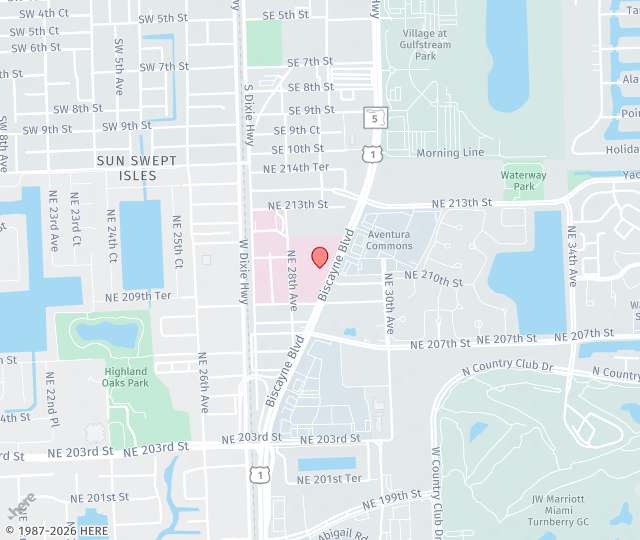
Schedule your consultation with Dr. Baotram Tran in Aventura to develop your individualized post weight loss body-contouring plan.